Nickel Pig Iron Production: Raw Material Requirements & Specifications
Understanding Nickel Pig Iron (NPI) Production
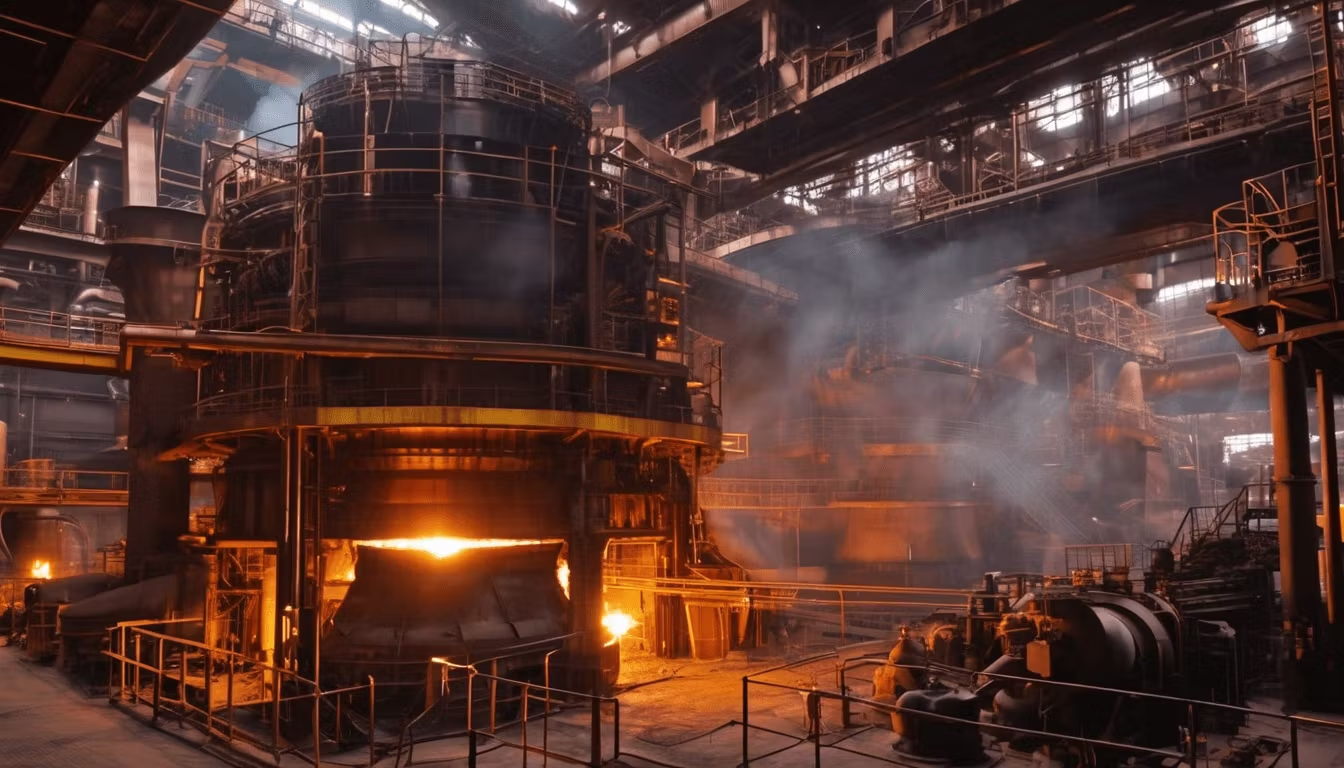
Nickel Pig Iron, commonly known as NPI, has become one of the most important intermediate products in the global nickel supply chain. As stainless steel production continues to grow across Asia and beyond, NPI serves as a cost-effective alternative to pure nickel for downstream refineries and steelmakers. Unlike traditional nickel matte produced through sulfide ore processing, NPI is manufactured through the direct reduction of laterite nickel ore in submerged arc furnaces (SAF), making it an accessible option for operations working with Indonesia's abundant laterite deposits.
The production of high-quality NPI depends critically on the consistency and specifications of raw materials fed into the smelting process. Understanding these requirements is essential for mining companies, traders, and smelters seeking to optimize production efficiency, reduce processing costs, and maintain competitive advantage in a volatile commodity market.
Nickel Ore Types and Their Role in NPI Production
The Indonesian laterite nickel ore deposits exist primarily in two distinct forms: saprolite and limonite. Each presents unique characteristics that influence their suitability for NPI production and overall processing economics.
Saprolite Nickel Ore: The Premium Choice
Saprolite ore, found in the upper weathered layers of laterite profiles, is the preferred raw material for NPI production. This ore type typically contains nickel grades ranging from 1.5% to 2.0% Ni content, significantly higher than limonite deposits. The higher grade makes saprolite economically attractive for smelters, as it requires less ore throughput to achieve target nickel recovery rates.
Key characteristics of saprolite for NPI production include:
- Nickel Content: 1.5-2.0% Ni (premium grades for optimization)
- Iron Content: 8-12% Fe (essential for pig iron formation)
- Moisture: 8-15% (affects kiln drying and fuel consumption)
- Silica Content: 5-10% SiO2 (influences slag chemistry)
- Alumina: 4-8% Al2O3 (contributes to slag formation)
- Chromium Content: 0.2-0.5% Cr (typically acceptable for stainless steel applications)
The relatively coarser, friable nature of saprolite ore also reduces pre-treatment costs, as it requires less energy-intensive crushing compared to limonite. This material advantage translates directly to improved operational economics for NPI producers.
Limonite Nickel Ore: Cost Considerations
Limonite ore, situated below the saprolite layer, contains lower nickel grades between 0.8% and 1.2% Ni. While less preferred than saprolite, limonite is increasingly utilized in NPI production due to its significantly lower mining costs and vast reserve availability in regions like Sulawesi and Kalimantan.
For limonite-based NPI operations, smelters must compensate for lower nickel grades by increasing ore throughput and optimizing fuel efficiency. This approach remains economically viable during periods of high nickel prices but becomes marginal when commodity prices soften. Limonite processing also generates higher iron oxide slag, which requires careful management in the furnace operation and slag treatment systems.
Critical Nickel Ore Specifications for Smelter Operations
Successful NPI production demands strict adherence to specific ore quality parameters. Smelters establish detailed specification requirements to ensure consistent furnace performance, predictable recoveries, and safe operating conditions.
Nickel Grade and Recovery
The primary driver of ore economics is nickel grade. Industrial smelters target minimum nickel content of 1.5% Ni for saprolite-based operations. Higher-grade ore (1.8-2.0% Ni) commands premium pricing and reduces per-unit production costs. Typical NPI recovery rates range from 75% to 85%, depending on ore type, furnace design, and operational expertise.
Iron Content and Pig Iron Quality
Iron content is equally critical, as it directly determines the final NPI chemistry. Target iron content should range from 8% to 12% Fe in saprolite ore. The iron reduces alongside nickel in the submerged arc furnace, forming the nickel-iron alloy product. Insufficient iron content results in lower NPI grades and poor casting properties, while excessive iron increases slag volume and processing complexity.
Moisture Management
Moisture content significantly impacts smelting economics. Raw ore typically arrives at the smelter with 8-15% moisture. Excessive moisture (>20%) increases drying fuel requirements and reduces furnace thermal efficiency. Pre-kiln drying reduces moisture to 5-8%, optimizing furnace feed preparation and improving energy balance. This is particularly important for smelters operating with tight energy budgets or environmental constraints.
Silica and Slag Chemistry
Silica content (SiO2) and alumina (Al2O3) content determine slag chemistry and melting characteristics. Silica acts as a flux in the furnace, helping to dissolve iron oxides and impurities. Target silica content should be 5-10% SiO2, with alumina contributing 4-8% Al2O3. These elements combine to form a slag with appropriate viscosity and melting point, facilitating efficient nickel-iron separation and furnace heat management.
Chromium and Other Trace Elements
Chromium content in nickel ore is absorbed into the final NPI product. For stainless steel applications, chromium levels should remain below 0.5% to avoid negative impacts on steel properties. Other potentially problematic elements include copper, cobalt, and sulfur, which should be monitored through regular lab testing. SUCOFINDO-certified analysis ensures transparent documentation of these critical parameters.
Raw Material Testing and Quality Assurance
Given the significant capital investment in smelting infrastructure, NPI producers demand rigorous quality control. Third-party laboratory testing provides the transparency and credibility necessary for large-scale ore procurement. Standard test parameters include:
- X-ray fluorescence (XRF) for rapid elemental composition analysis
- Inductively coupled plasma (ICP) for trace element detection
- Gravimetric analysis for moisture determination
- Loss on ignition (LOI) testing for volatile matter assessment
- Size distribution analysis (mesh gradation)
- Bulk density measurements
Reputable suppliers like CV Indoalam Mineral Persada provide SUCOFINDO-tested certificates with every shipment, offering smelters the assurance that materials meet contracted specifications and regulatory requirements. This documentation reduces procurement risk and accelerates contract negotiations.
Supply Chain Logistics and Material Flow
The journey from mine to smelter involves multiple logistics steps that influence material quality. Saprolite ore mined in Sulawesi's Morowali and Konawe regions must be transported by truck to port facilities, requiring careful load management to prevent segregation and moisture loss. Covered stockpiles protect ore from weathering and excessive wetting, which could alter moisture content and compromise specifications.
For major smelters and industrial parks, direct sourcing from mining regions eliminates middleman markups and provides greater supply chain visibility. Working with established suppliers who hold proper licensing and certifications ensures legal compliance and sustainable sourcing practices aligned with Indonesian mining regulations and international ESG standards.
Complementary Materials in Nickel Smelting
While nickel ore forms the primary feedstock, successful NPI operations also require complementary materials. Lime (CaO) serves as an additional flux and is sourced separately. Silica sand with high purity (SiO2 99.74%) can be added to optimize slag chemistry when natural ore silica content falls below target ranges. These supplementary materials must also meet strict specifications and be available in reliable quantities.
Market Dynamics and Strategic Sourcing
The NPI market remains tightly linked to stainless steel production cycles and global nickel inventory levels. Periods of strong stainless steel demand drive increased NPI consumption and push ore prices higher. Conversely, market downturns see significant price compression and reduced buyer interest.
Strategic sourcing requires flexibility in supply agreements. Forward-looking smelters establish diversified supplier bases to mitigate supply disruptions and market concentration risks. Trial shipments of 100-200 MT allow quality verification before committing to large-volume contracts. Suppliers capable of serving varying order sizes—from trial quantities to 2.5 million metric tons annually—provide the operational flexibility that modern smelters require.
Regulatory and Compliance Considerations
Indonesia's mining regulations require all ore suppliers to maintain current IUP (Izin Usaha Pertambangan) permits and RKAB (Rencana Kerja dan Anggaran Biaya) approvals. These certifications demonstrate legal operational status and adherence to environmental and safety standards. Additionally, SUCOFINDO testing provides third-party verification that materials are sourced legitimately and meet international quality benchmarks.
For international buyers, certificates of origin and SUCOFINDO lab reports facilitate customs clearance and provide traceability documentation required by international commodity exchanges and compliance programs. This documentation framework has become increasingly important as steelmakers and end-users implement supply chain transparency initiatives.
Optimizing Your Nickel Ore Procurement Strategy
For smelters and traders seeking reliable nickel ore supply, several key practices optimize procurement outcomes:
- Establish detailed material specifications: Work with your smelting team to define acceptable ranges for Ni, Fe, SiO2, Al2O3, and trace elements
- Request SUCOFINDO certificates: Insist on independent lab testing from recognized institutions
- Conduct trial shipments: Begin supplier relationships with 100-200 MT test orders to verify consistency
- Verify supplier credentials: Confirm IUP and RKAB licenses with Indonesian authorities
- Negotiate long-term agreements: Secure multi-year contracts to lock in pricing and supply certainty
- Monitor market prices: Track nickel futures and spot prices to optimize purchase timing
Partnering with Reliable Supply Sources
The Indonesian laterite nickel market remains dominated by informal traders and middlemen, many of whom lack transparent quality documentation and verifiable sourcing practices. Direct relationships with licensed mining companies and qualified trading enterprises eliminate these intermediaries and provide clearer visibility into ore origin, quality consistency, and legal compliance.
CV Indoalam Mineral Persada operates as a licensed B2B mineral trader specializing in saprolite and limonite nickel ore from Sulawesi and Kalimantan regions. With IUP OPK and RKAB approvals, the company supplies major nickel smelters with materials meeting international specifications. The ability to fulfill orders ranging from trial quantities to 2.5 million metric tons annually provides the flexibility that both emerging and established smelting operations require.
For smelters evaluating supply alternatives or traders seeking reliable Indonesian ore sources, contacting CV Indoalam provides access to SUCOFINDO-tested materials with full regulatory documentation and transparent pricing aligned to global commodity benchmarks.
Conclusion
Nickel pig iron production success depends fundamentally on raw material specifications and supply chain reliability. Saprolite ore with 1.5-2.0% Ni content, appropriate iron and silica levels, and verified moisture content forms the foundation of efficient smelting operations. Third-party laboratory testing, regulatory compliance documentation, and direct sourcing relationships eliminate procurement uncertainty and support long-term operational planning.
As global stainless steel demand continues to drive nickel consumption, smelters that prioritize supply chain transparency and partner with licensed, credible suppliers gain competitive advantages through reduced risk, improved cost management, and enhanced ESG performance. Indonesian nickel ore resources remain among the world's most abundant, offering reliable supply potential for decades to come—provided buyers engage with responsible, properly-licensed trading partners committed to quality, traceability, and sustainable practices.