Silica Sand Drying and Classification: Industrial Processing Guide
Silica Sand Drying and Classification: Industrial Processing Guide
Silica sand processing is a critical operation in the mineral supply chain, transforming raw ore into market-ready products for glass manufacturing, foundries, and construction applications. Two essential stages—drying and classification—determine the final quality, consistency, and commercial viability of silica sand products.
This comprehensive guide explores the industrial techniques, equipment, and best practices for optimizing silica sand drying and classification processes, helping B2B buyers and operators understand what separates premium-grade material from substandard alternatives.
Understanding Silica Sand Drying: Why It Matters
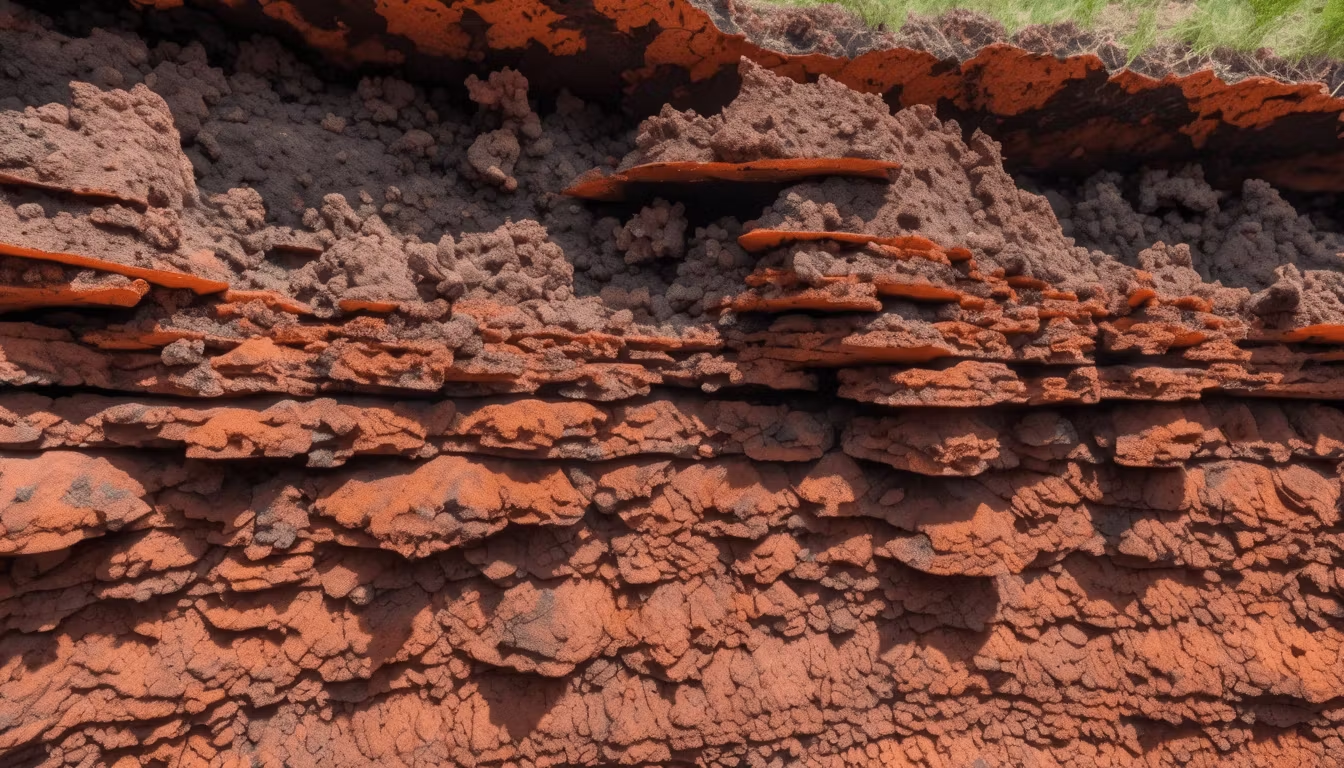
Raw silica sand extracted from mines contains significant moisture content—typically 8-15% depending on mining and washing methods. This moisture must be removed to meet industrial specifications and ensure product stability during storage and transportation.
The Impact of Moisture on Silica Sand Quality
Excess moisture in silica sand creates multiple operational challenges:
- Caking and Agglomeration: Moisture causes sand particles to clump, making the material difficult to handle and affecting flowability in manufacturing processes.
- Reduced Shelf Life: Wet sand is prone to oxidation and degradation, particularly in long-term storage scenarios.
- Quality Inconsistency: Moisture variations lead to unpredictable material behavior in high-precision applications like float glass production.
- Increased Transportation Costs: Moisture adds dead weight, reducing profitability on per-ton pricing models.
- Processing Complications: Foundries and glass manufacturers experience equipment blockages and reduced efficiency with inadequately dried sand.
Premium-grade silica sand typically achieves moisture content below 0.5%, ensuring optimal performance across all downstream applications.
Rotary Dryer Technology for Silica Sand
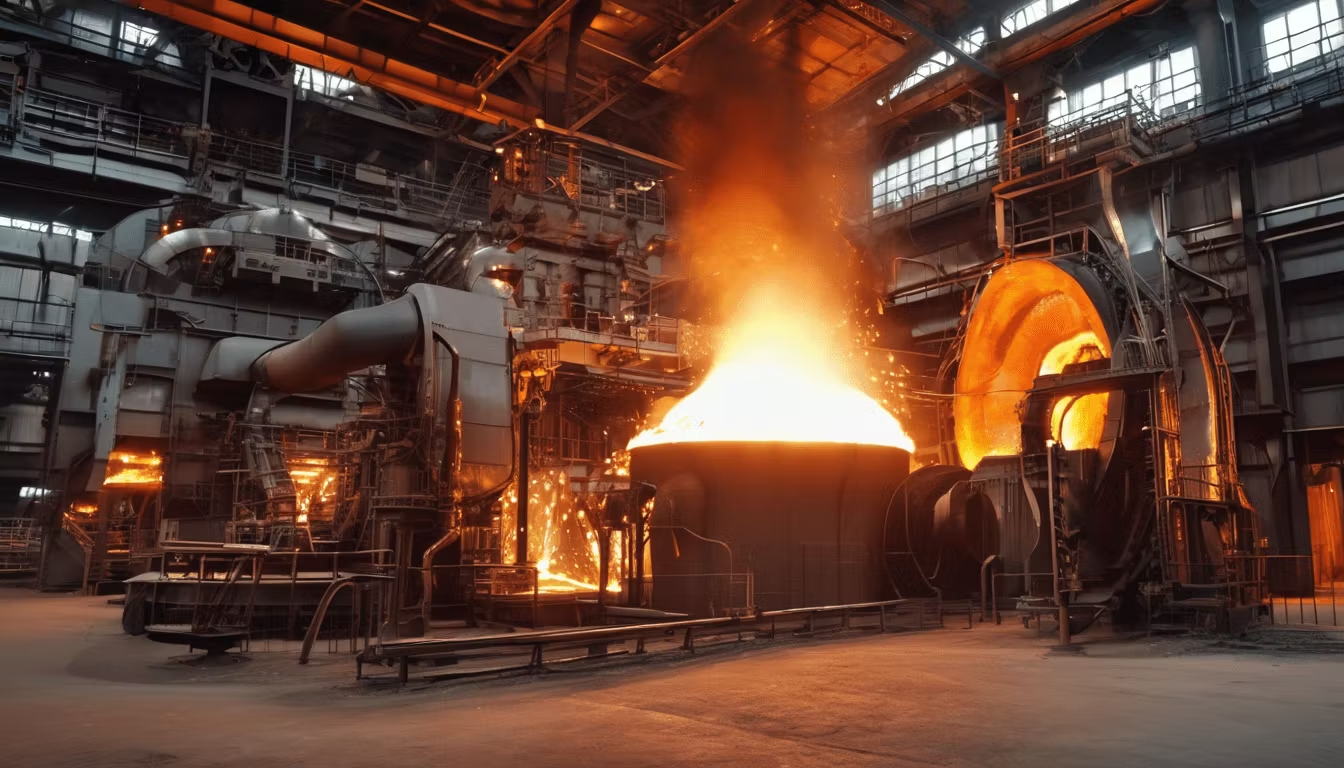
Rotary dryers are the industry standard for large-scale silica sand drying, offering efficiency, scalability, and consistent results across varying moisture levels.
How Rotary Dryers Work
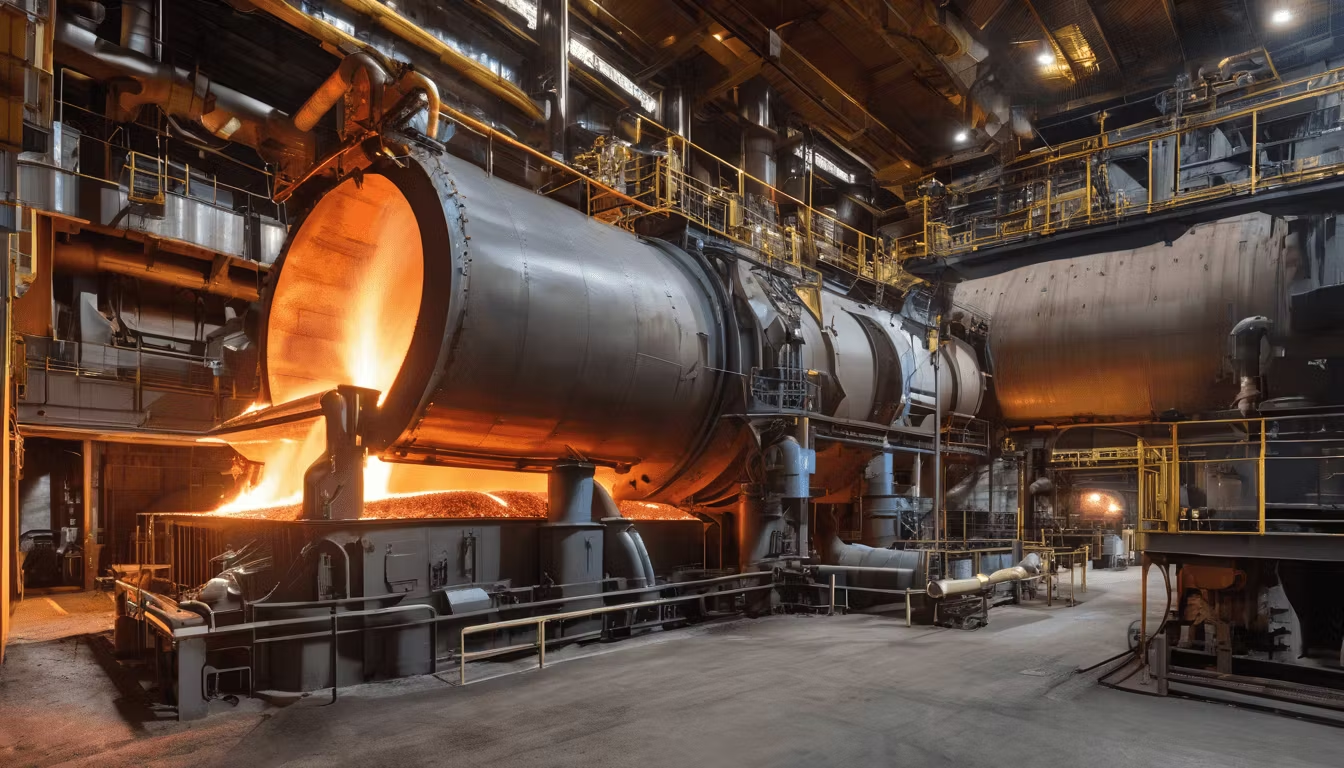
A rotary dryer consists of a large cylindrical drum, slightly inclined and rotating on its horizontal axis. Wet silica sand enters at the upper end, cascading through the rotating drum while hot air (typically 200-400°C) is forced through the chamber. The combination of heat, mechanical agitation, and airflow evaporates moisture, with dried sand exiting at the lower end.
Key operational parameters include:
- Drum Rotation Speed: 3-6 RPM for silica sand (slower speeds prevent material degradation and excessive fines generation)
- Residence Time: 15-30 minutes, depending on inlet moisture content and desired outlet specification
- Air Temperature: Balanced to achieve drying without thermal stress or particle size reduction
- Air Volume: Sufficient to carry moisture vapor while maintaining material suspension
Advantages of Rotary Dryer Sand Systems
- High Capacity: Industrial units process 50-300 metric tons per hour, supporting large-scale operations.
- Fuel Flexibility: Coal, natural gas, or biomass fuel options optimize operational economics across regions.
- Material Versatility: Rotary dryers handle various sand grades and mineral types without major modifications.
- Minimal Contamination Risk: Enclosed systems reduce dust losses and environmental exposure.
- Long Equipment Life: Properly maintained rotary dryers operate reliably for 10-15+ years.
Critical Maintenance Considerations
To maintain optimal performance, operators must monitor:
- Refractory lining integrity (replacement every 2-3 years for heavy-duty operations)
- Bearing lubrication and temperature
- Burner system efficiency and flame quality
- Air duct sealing to prevent heat loss
- Rotation speed consistency and vibration levels
Sand Classification Systems: Achieving Precise Mesh Grades
After drying, silica sand must be separated into specific particle size ranges to meet customer specifications. Industrial classification ensures consistent mesh grades—whether producing 8-16 mesh, 20-40 mesh, 100-200 mesh, or ultra-fine silica flour.
Air Classifier Technology for Silica Separation
Air classifiers represent the most efficient method for dry silica sand classification, using vertical airflow to separate particles by size and density. Material enters at the center, and upward-flowing air suspends lighter, finer particles while heavier, coarser material settles downward.
Operating Principles:
- Air Velocity Control: Precisely calibrated airflow (typically 15-25 m/s) determines the cut point—the particle size at which material transitions between overflow (fines) and underflow (coarser fraction).
- Vortex Chamber Design: Advanced classifier designs use centrifugal forces to enhance separation efficiency.
- Multi-Stage Configurations: Cascading classifiers produce multiple narrow particle ranges from single feed streams.
- Cyclone Collection: Recovered fines are collected in downstream cyclones, minimizing environmental emissions.
Air Classifier Performance Metrics
- Partition Curve Sharpness: Premium classifiers achieve 80-90% efficiency, meaning 80-90% of target-size material is recovered in the correct fraction.
- Fines Recovery Rate: Modern systems recover 98%+ of ultra-fine material, supporting applications requiring silica flour (200+ mesh).
- Capacity Range: Industrial air classifiers handle 5-100 metric tons per hour, scalable across production volumes.
- Energy Efficiency: Compared to mechanical screening, air classification consumes 40-60% less energy for equivalent throughput.
Quality Control and Testing Standards
Premium silica sand suppliers—like CV Indoalam Mineral Persada—implement rigorous testing protocols to guarantee specification compliance. Every production batch undergoes independent laboratory verification.
Critical Test Parameters
- Particle Size Distribution (PSD): Sieve analysis confirms mesh grade accuracy across the full distribution curve.
- Silica Content (SiO₂): XRF or titration methods verify purity levels (99.74% for premium grades).
- Moisture Content: Karl Fischer titration ensures levels remain below 0.5%.
- Bulk Density: Confirms particle packing consistency, critical for foundry and glass applications.
- Acid-Soluble Metals: Detects iron oxide and other impurities affecting end-product quality.
- Loss on Ignition (LOI): Measures organic matter and volatile content.
SUCOFINDO-certified testing (as performed by established Indonesian suppliers) provides internationally recognized quality assurance, essential for premium industrial buyers.
Integrated Drying and Classification Workflows
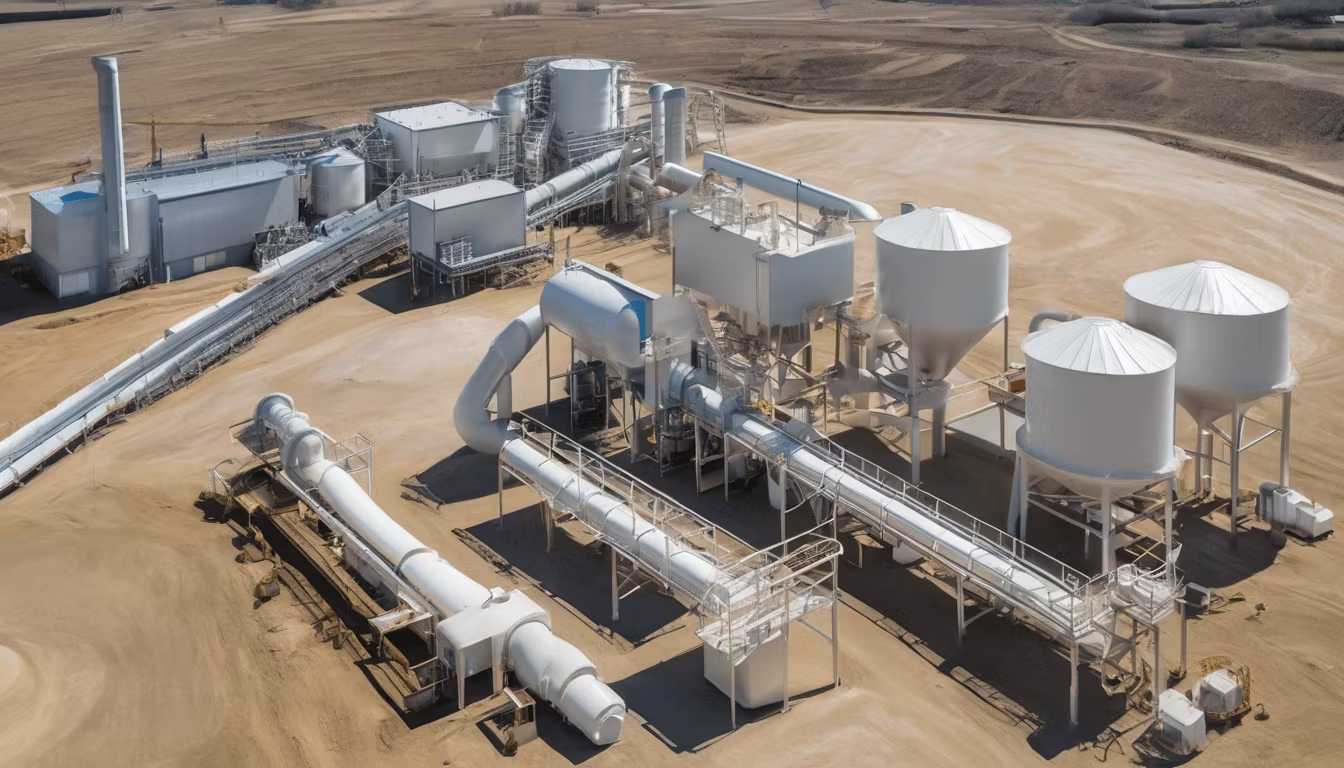
Modern silica sand processing facilities integrate drying and classification into optimized workflows, maximizing throughput while maintaining quality standards.
Typical Process Flow
- Raw Material Reception: Mined sand is stockpiled and moisture-tested.
- Pre-Screening (Optional): Coarse foreign material is removed via vibrating screens.
- Rotary Dryer: Moisture is reduced to target levels (typically <0.5%).
- Air Classifier: Dried sand is separated into specific mesh grades.
- Cyclone Collection: Separated fractions are collected and consolidated.
- Quality Testing: Each batch undergoes independent verification.
- Bagging/Bulk Storage: Material is packaged per customer specifications.
Process Optimization Strategies
- Real-Time Moisture Monitoring: Infrared sensors provide continuous feedback, enabling dynamic dryer adjustments.
- Multi-Product Capability: Flexible systems produce multiple mesh grades sequentially without major reconfiguration.
- Waste Minimization: Closed-loop systems recover and recirculate fines, improving overall yield.
- Energy Recovery: Waste heat from dryer exhaust is captured for space heating or auxiliary drying operations.
Applications Requiring Precisely Dried and Classified Silica Sand
Different industries demand specific silica sand specifications, directly influenced by drying and classification precision:
Float Glass Manufacturing
Float glass producers require 80-200 mesh silica sand with <0.1% moisture and exceptional purity (>99.7% SiO₂). Inadequate drying causes foaming defects and color variations in finished glass.
Foundry Applications
Foundries use 8-16 mesh and 20-40 mesh fractions for core and mold production. Moisture control prevents casting defects, while precise classification ensures consistent mold strength and dimensional accuracy.
Water Treatment Systems
Water treatment facilities utilize 8-16 and 16-30 mesh silica sand as filtration media. Tight size distribution and low moisture ensure optimal flow rates and filtration efficiency.
Solar Panel Manufacturing
High-purity silica sand (200+ mesh) is essential for anti-reflective coatings in photovoltaic applications. Drying and classification precision directly impact coating uniformity and energy efficiency of finished panels.
Sourcing Premium Silica Sand from Established Suppliers
When evaluating silica sand suppliers, B2B buyers should prioritize companies demonstrating:
- IUP OPK Licensing: Verifies legal mineral extraction and processing rights.
- SUCOFINDO Certification: Independent laboratory testing confirms specification compliance.
- Documented Quality Systems: ISO 9001 or equivalent frameworks ensure consistent batch performance.
- Supply Scalability: Capacity from trial quantities (100 MT) to large contracts (2.5M MT annually) accommodates business growth.
- Direct-from-Mine Operations: Eliminates middleman markups while improving traceability and quality control.
CV Indoalam Mineral Persada operates from prime sourcing regions—Sulawesi (Morowali, Konawe), Kalimantan, and Maluku (Halmahera)—with integrated processing facilities and 2.5 million metric ton annual capacity. Our commitment to quality and compliance ensures reliable supply partnerships for industrial buyers across Asia-Pacific markets.
Conclusion: Mastering Silica Sand Processing for Industrial Excellence
Silica sand drying and classification are foundational operations determining material quality, cost-effectiveness, and suitability for demanding industrial applications. Rotary dryer technology provides scalable drying solutions, while air classifier systems achieve precise particle separation—essential components of modern processing facilities.
B2B buyers investing in premium silica sand should prioritize suppliers demonstrating rigorous quality control, certified testing protocols, and transparent processing documentation. Direct partnerships with established mining companies eliminate supply chain complexity and ensure consistent specification compliance.
Whether sourcing silica sand for float glass production, foundry operations, water treatment, or specialty applications, understanding drying and classification principles enables informed purchasing decisions and optimized material performance. Contact CV Indoalam Mineral Persada to explore premium silica sand solutions backed by SUCOFINDO certification, IUP OPK licensing, and flexible supply arrangements tailored to your operational requirements.