Laterite Nickel Deposits: Formation, Geology & Mining Methods
Understanding Laterite Nickel Deposits: A Comprehensive Geology Guide
Laterite nickel deposits represent one of the most important sources of nickel ore globally, accounting for approximately 70% of the world's nickel production. These weathered mineral formations, particularly abundant in tropical and subtropical regions, have become critical to the battery, stainless steel, and aerospace industries. For B2B mining professionals and commodity buyers, understanding the geological formation and extraction methods of laterite nickel is essential for sourcing decisions and supply chain planning.
Indonesia stands as the world's largest laterite nickel producer, with major deposits concentrated in Sulawesi, Maluku, and Kalimantan. As a specialized nickel ore supplier, we extract and process these deposits using modern, licensed mining operations that comply with international standards and environmental regulations.
What Are Laterite Nickel Deposits?
Definition and Composition
Laterite nickel deposits are weathered, oxidized layers of rock derived from nickel-bearing parent rocks, primarily ultramafic igneous rocks such as dunite and peridotite. Unlike primary sulfide nickel ores, laterite deposits form through in-situ chemical weathering processes that concentrate nickel oxides and silicates near the surface, creating economically viable mining zones without extensive beneficiation.
These deposits typically contain two primary ore types with distinct nickel concentrations and metallurgical properties:
- Saprolite Nickel Ore: A completely weathered, clay-rich layer containing 1.5-2.0% nickel content, representing the deeper, more intensely altered zone
- Limonite Nickel Ore: An iron-rich, oxidized layer containing 0.8-1.2% nickel content, representing the upper oxidation zone
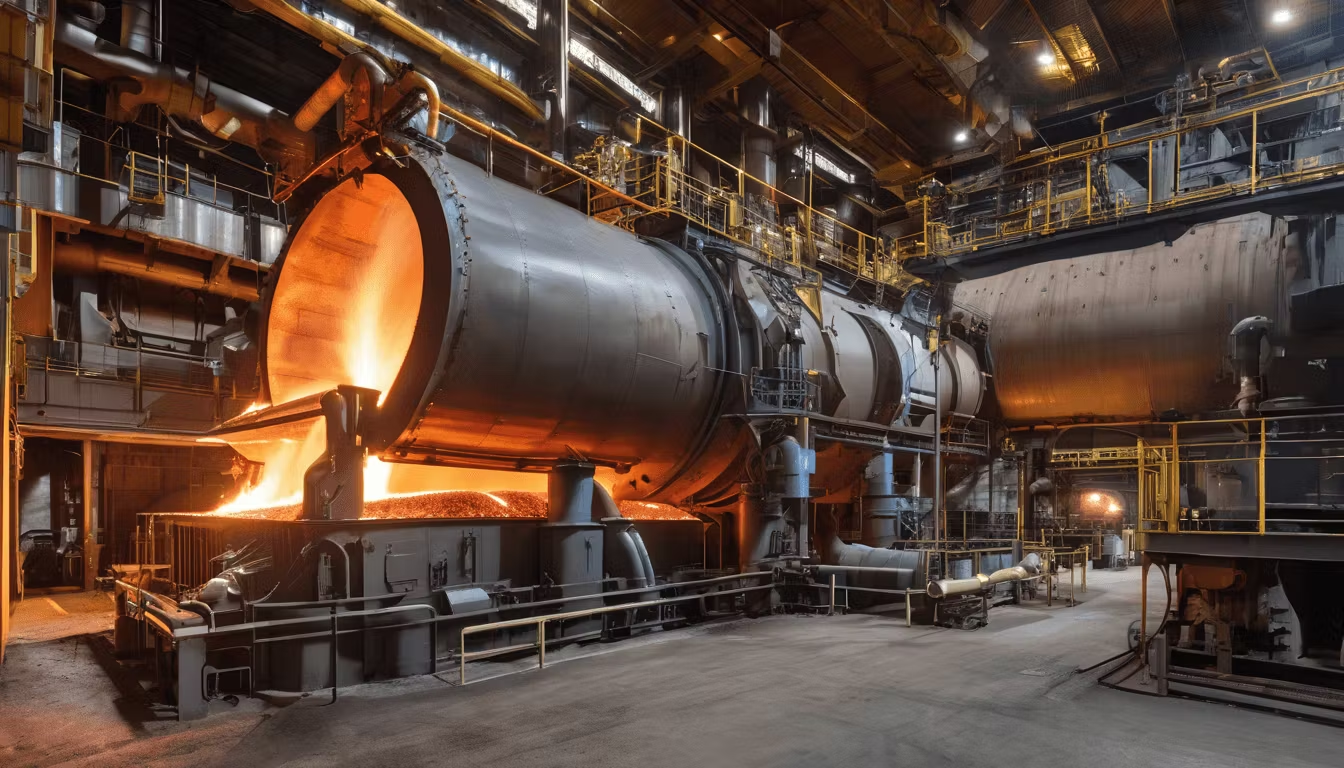
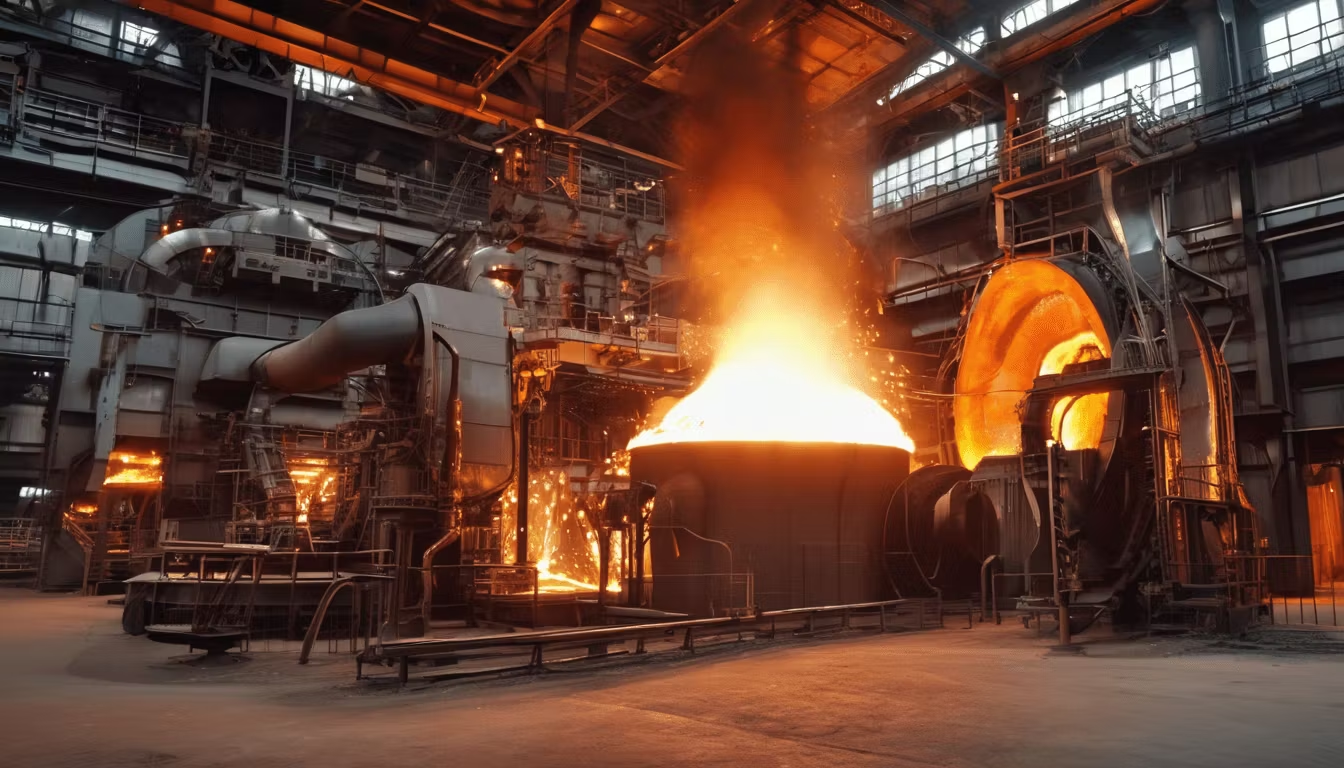
Both ore types serve distinct industrial applications. Saprolite ore, with its higher nickel grades, is typically processed through HPAL (High Pressure Acid Leach) technology for nickel hydroxide production, while limonite ore suits rotary kiln electric furnace (RKEF) processing for ferronickel and nickel pig iron (NPI) production.
Mineralogical Characteristics
The mineralogical composition of laterite nickel deposits varies based on parent rock composition and weathering intensity. Primary nickel-bearing minerals in these deposits include garnierite, nickeliferous limonite, and nickeliferous serpentine. Associated minerals include goethite, hematite, and manganese oxides, which influence processing routes and concentrate quality.
Geological Formation: Tropical Weathering Processes
The Role of Tropical Climate in Nickel Concentration
Laterite nickel deposits form through a process called supergene enrichment, driven by intense tropical weathering. This geochemical transformation occurs exclusively in warm, humid climates with substantial annual rainfall—conditions that define tropical and subtropical regions like Indonesia.
The weathering process begins when rainwater, enriched with organic acids and carbon dioxide, percolates through nickel-bearing parent rocks. This acidic solution gradually dissolves less stable minerals while chemically altering primary rock minerals into secondary phases that retain and concentrate nickel. Over geological timescales (millions of years), this process creates distinct weathering profiles with economically viable nickel concentrations.
The Laterite Weathering Profile
A complete laterite nickel profile displays three characteristic zones, each with distinct mineralogy and mining viability:
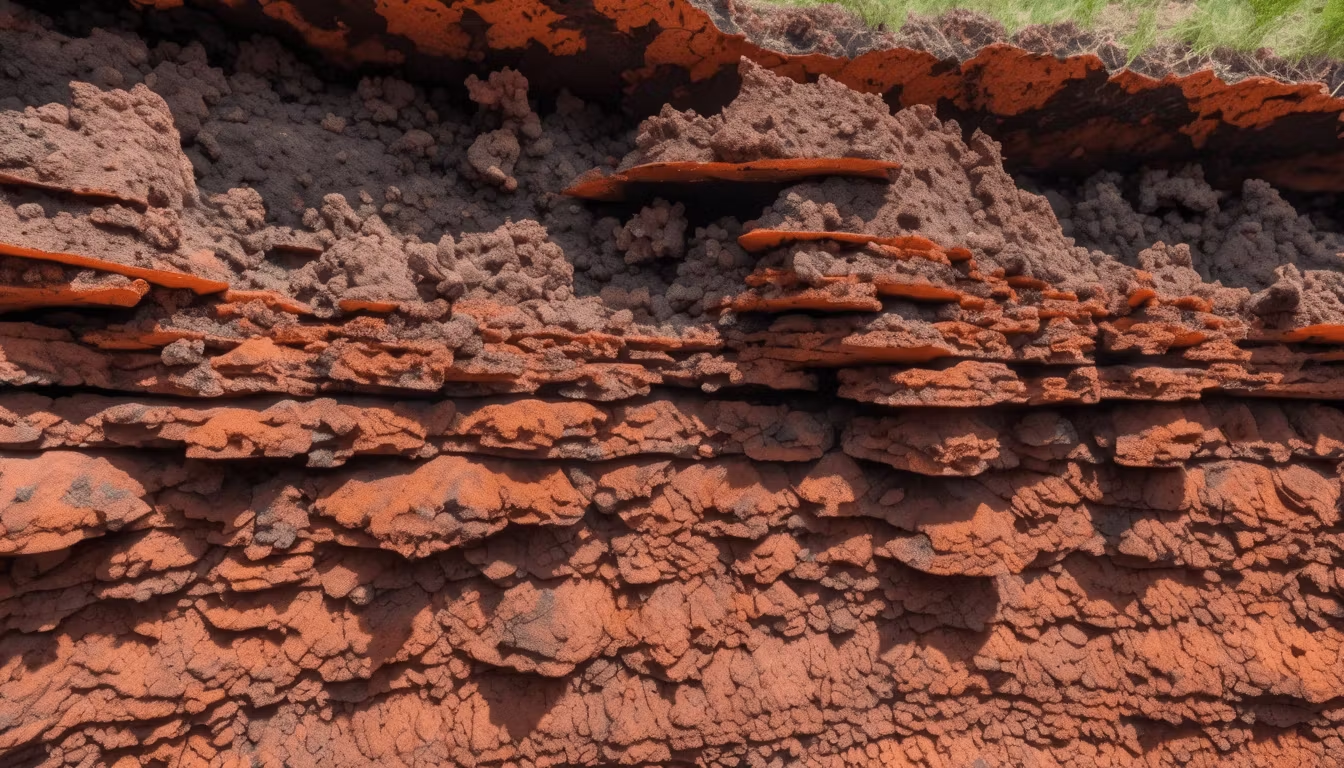
- Upper Oxidation Zone (Limonite): Iron oxides predominate; contains 0.8-1.2% Ni; characterized by red-brown coloration from goethite and hematite
- Middle Transition Zone: Mixed clay and iron oxides; variable nickel content; less commonly mined due to metallurgical complications
- Lower Silicate Zone (Saprolite): Clay minerals and serpentine predominate; contains 1.5-2.0% Ni; characterized by greenish coloration from nickeliferous silicates
The total thickness of economically mineable laterite profiles ranges from 20 to 50 meters, depending on parent rock type and weathering duration. Indonesia's Sulawesi deposits, particularly in Morowali and Konawe, display some of the world's most extensive and thickest laterite profiles, making large-scale open pit mining economically viable.
Climate-Controlled Enrichment Mechanism
Tropical weathering efficiency depends on several interconnected factors: high temperature (accelerating chemical reactions), high rainfall (providing percolation and lateral water flow), and extended weathering periods (allowing deep profile development). These conditions create a self-reinforcing enrichment cycle where nickel selectively concentrates while major base rocks dissolve and leach away.
In cooler or drier climates, this enrichment process slows dramatically or ceases entirely, explaining why laterite nickel deposits concentrate in specific tropical and subtropical belts rather than globally distributing throughout all nickel-bearing geological formations.
Global Distribution and Indonesian Dominance
Major Laterite Nickel Belts
Laterite nickel deposits concentrate in three primary geographic zones: Southeast Asia (Indonesia, Philippines), Latin America (Brazil, Colombia), and Africa (Tanzania, Madagascar). Indonesia dominates this landscape, hosting approximately 30-40% of global laterite nickel reserves with annual production exceeding 1.5 million metric tons of ore.
Within Indonesia, the richest deposits occur in Sulawesi's mineral-rich province, where the collision of the Philippine and Australian tectonic plates created favorable conditions for extensive nickel-bearing ultramafic rock exposure. Secondary deposits in Kalimantan and Maluku (particularly Halmahera) provide additional supply diversity and regional processing hub development.
Indonesian Mining Infrastructure
Major Indonesian nickel smelting facilities, including HPAL and RKEF operations, concentrate near coastal regions for ore import efficiency. This geographic concentration creates supply chain advantages for local mining companies operating with proper licensing, including IUP OPK permits and SUCOFINDO quality certification that validate ore grade and consistency.
Open Pit Laterite Nickel Mining Methods
Pre-Mining Geological Assessment
Modern laterite nickel mining begins with comprehensive geological surveys using drilling, geophysical sampling, and detailed weathering profile mapping. Professional operators conduct representative drilling at 25-50 meter intervals to establish ore body extent, nickel grade distribution, and waste rock volumes. This data informs mine planning, equipment selection, and processing route decisions.
Quality assurance begins at the exploration phase. Established suppliers maintain SUCOFINDO-certified laboratory facilities that continuously test ore samples during mining operations, ensuring material meets specified nickel content (1.5-2.0% for saprolite, 0.8-1.2% for limonite) and moisture standards.
Open Pit Mining Techniques
Laterite nickel mining employs conventional open pit methods adapted for the near-surface, weathered nature of these deposits. Mining sequences typically follow these stages:
- Overburden Removal: Clearing soil and uneconomic surface layers using draglines or electric shovels
- Selective Mining: Separating saprolite and limonite ore zones through careful bench mining, as each ore type requires distinct processing routes
- Grade Control: Continuous sampling and analysis during extraction to maintain ore quality specifications and minimize dilution
- Pit Dewatering: Managing groundwater inflow through drainage systems and monitoring piezometers to maintain safe pit slopes
Modern operations employ GPS-controlled loading equipment and real-time grade control systems to optimize ore recovery while reducing overburden. This technological approach minimizes environmental impact while maximizing ore recovery rates, typically achieving 85-92% of geological ore estimates.
Equipment and Extraction Scale
Typical Indonesian laterite nickel mines operate with multi-million metric ton annual capacities, utilizing fleet mining equipment: hydraulic excavators (60-120 ton capacity), haul trucks (100+ ton capacity), and supporting dozers and graders. Pit depths typically range from 40-80 meters, requiring careful slope stability management and blast design engineering.
Annual mining rates depend on deposit characteristics and processing facility specifications. High-capacity operations can process 2.5 million metric tons annually or more, maintaining continuous feedstock supply to dedicated nickel smelters and integrated industrial parks.
Ore Processing and Quality Standards
Preliminary Processing Operations
Extracted laterite nickel ore undergoes immediate processing at mine site facilities. Primary operations include crushing, screening, and moisture adjustment to meet customer specifications. Saprolite ore typically ships with 15-25% moisture content after crushing to <4mm to 10mm fraction sizes, depending on downstream HPAL or RKEF facility requirements.
Quality verification through SUCOFINDO laboratory testing confirms nickel content, moisture, iron content, silica content, and chromium levels before shipment. This certification provides buyer confidence and ensures smooth integration into industrial smelting processes.
Compliance and Certification Standards
Licensed Indonesian nickel ore suppliers maintain comprehensive compliance documentation including IUP OPK (Mineral Business License), ET Batubara certifications, and RKAB (Mining Business Plans) approvals. These regulatory frameworks ensure environmental compliance, worker safety, and sustainable resource management.
SUCOFINDO certification—Indonesia's authorized inspection and testing body—validates all quality parameters, providing internationally recognized documentation for trading and smelter procurement departments.
Market Applications and Industry Demand
Primary Nickel End-Use Markets
Laterite nickel ore feeds three primary industrial pathways: stainless steel production (consuming ~65% of nickel), battery and electric vehicle materials (~15%), and specialty alloys and aerospace applications (~20%). Indonesia's laterite deposits support major nickel smelter clusters that supply stainless steel manufacturers across Asia and globally.
Battery-grade nickel demand accelerates as EV production expands, creating premium market opportunities for suppliers maintaining consistent, high-grade ore supply. This market dynamic has elevated saprolite ore value relative to limonite ore, driving investment in HPAL processing capacity.
Supply Chain Integration
B2B mining buyers—including smelter procurement managers, industrial commodity traders, and stainless steel producers—require reliable, consistent ore supply backed by quality certification and regulatory compliance. Direct-from-mine suppliers eliminating unnecessary middlemen offer cost advantages and supply reliability benefits compared to secondary market trading.
Flexible supply contracting (ranging from 100 metric ton trial shipments to multi-million metric ton annual contracts) accommodates diverse buyer requirements, from small specialty alloy producers to major industrial conglomerates.
Environmental and Sustainability Considerations
Laterite Mining Environmental Impact
Open pit laterite nickel mining creates environmental obligations including pit rehabilitation, vegetation recovery, and water management. Modern Indonesian operations implement comprehensive environmental management systems addressing erosion control, water treatment, and biodiversity protection.
RKAB-approved mining plans mandate progressive rehabilitation, ensuring mined areas transition toward productive end-uses. Responsible operators maintain environmental monitoring programs tracking water quality, air quality, and soil conditions, demonstrating commitment to sustainable resource development.
Regulatory Framework and Best Practices
Indonesian mining regulations increasingly emphasize environmental stewardship and community benefit. IUP OPK licensing requires comprehensive environmental impact assessments, community consultation, and progressive rehabilitation planning. Established suppliers maintaining these certifications demonstrate commitment to responsible mining practices that protect ecosystems while enabling resource development.
Sourcing Laterite Nickel Ore: Buyer Considerations
Quality Specifications and Testing
Effective laterite nickel ore procurement requires clear specifications addressing: nickel content (1.5-2.0% for saprolite, 0.8-1.2% for limonite), moisture content (typically 15-25%), iron content, silica content, and impurity limits. SUCOFINDO testing provides independent verification that purchased ore meets contracted specifications, protecting buyer interests and ensuring smelter processing efficiency.
Supply Reliability and Logistics
Direct mining relationships ensure consistent ore availability without middleman complications. Reliable suppliers maintain stable production rates, regular quality monitoring, and professional logistics coordination. Geographic sourcing from Sulawesi, Kalimantan, and Maluku provides supply redundancy, protecting against single-source disruptions.
Complementary Mineral Products
Integrated mining suppliers offering diverse mineral products provide portfolio advantages. Beyond nickel ore, established operators also supply silica sand and other industrial minerals, enabling consolidated procurement relationships and logistics optimization.
Why Choose Indoalam for Laterite Nickel Ore Supply
CV Indoalam Mineral Persada operates as a licensed, professionally managed laterite nickel ore supplier serving Indonesia's major smelting facilities and regional industrial parks. Our operations span Sulawesi's premier mining regions—Morowali and Konawe—accessing some of Indonesia's richest laterite nickel deposits.
Our competitive advantages include:
- Direct Mining Operations: Eliminates middlemen, reducing costs and ensuring supply consistency
- Full Regulatory Compliance: IUP OPK licensing, RKAB approval, and ET Batubara certification demonstrate professional operations meeting all Indonesian requirements
- SUCOFINDO Quality Verification: All shipments undergo independent testing, providing buyer confidence in grade and consistency
- Flexible Supply Contracts: Trial shipments from 100 metric tons through major contracts of 2.5+ million metric tons annually accommodate diverse buyer requirements
- Integrated Mineral Supply: Beyond nickel ore, we supply silica sand, aluminium ingots, and zircon sand, enabling consolidated procurement relationships
Whether sourcing saprolite ore for HPAL processing or limonite ore for ferronickel production, Indoalam provides reliable, quality-certified supply from Indonesia's premier laterite nickel mining regions.
Conclusion
Laterite nickel deposits represent a geologically fascinating and commercially critical resource, formed through millions of years of tropical weathering processes that concentrate nickel near the surface. Understanding these deposits' formation, geology, and mining methods enables informed sourcing decisions for industrial buyers reliant on consistent, quality nickel ore supply.
Indonesia's laterite nickel dominance creates opportunities for direct sourcing relationships with licensed, professionally managed suppliers. Modern open pit mining techniques combined with rigorous quality control and regulatory compliance ensure supply chain reliability while supporting sustainable resource development.
For B2B mining professionals seeking dependable laterite nickel ore supply backed by quality certification and regulatory compliance, contact Indoalam to discuss your sourcing requirements and explore how our licensed operations can support your industrial supply chain.