Global Silica Sand Market: Demand Drivers & Growth Projections 2024

Global Silica Sand Market: Demand Drivers and Growth Projections
The global silica sand market is experiencing unprecedented growth, driven by surging industrial demand and emerging applications across multiple sectors. As industries worldwide prioritize infrastructure development, renewable energy expansion, and advanced manufacturing, silica sand has become an indispensable raw material. This comprehensive analysis explores the key demand drivers, market dynamics, and growth projections shaping the global quartz sand market.
Understanding the Silica Sand Market Landscape
Market Size and Current Valuation
The global silica sand market reached an estimated value of USD 8.2 billion in 2023 and is projected to grow at a compound annual growth rate (CAGR) of 7.4% through 2030. This robust growth reflects the material's critical role in industrial processes ranging from glass manufacturing to foundry operations. The market expansion is particularly pronounced in Asia-Pacific, where rapid industrialization and infrastructure projects are driving unprecedented demand for high-quality industrial sand.
Regional Market Distribution
Asia-Pacific dominates the global silica sand market, accounting for approximately 42% of global consumption. China, India, and Southeast Asian nations lead regional growth, supported by massive infrastructure investments and manufacturing capacity expansion. Europe and North America maintain significant market shares due to established glass and semiconductor industries, while the Middle East and Africa present emerging growth opportunities. Within this dynamic landscape, Indonesia has established itself as a key supplier, particularly for domestic industrial consumers and regional markets.
Primary Demand Drivers Reshaping the Market
Solar Energy Expansion and Glass Manufacturing
The renewable energy transition represents one of the most powerful growth catalysts for the silica sand industry. Solar photovoltaic (PV) panel manufacturing requires ultra-high-purity quartz sand, with global solar capacity additions reaching 280 GW in 2023 alone. Each megawatt of solar capacity requires approximately 5-7 tons of high-grade silica sand in the manufacturing process. As nations worldwide commit to net-zero emissions targets, solar installations are projected to double by 2030, directly translating to exponential demand for premium quartz sand grades.
Beyond solar, traditional float glass manufacturing remains a cornerstone demand driver. The construction sector's recovery post-pandemic has bolstered demand for architectural glass, automotive glass, and specialty glass applications. Container glass production for beverage and food packaging continues to expand, particularly in emerging markets where consumption patterns are shifting toward packaged goods.
Semiconductor and Electronics Manufacturing Boom
The semiconductor industry's explosive growth is creating substantial new demand for ultra-pure silica sand. Semiconductor-grade quartz sand, typically containing SiO2 content exceeding 99.99%, is essential for silicon wafer production. With global chip shortages highlighting the importance of domestic semiconductor capacity, countries worldwide are investing in fab construction. These facilities require consistent, reliable supplies of high-purity quartz sand—a demand that shows no signs of abating as AI, IoT, and 5G technologies proliferate.
Foundry and Metal Casting Applications
Industrial foundries represent a steady, fundamental demand segment for silica sand. The global foundry market consumes millions of tons annually for molding and core production in metal casting operations. Automotive manufacturing, machinery production, and industrial equipment fabrication all depend on reliable foundry sand supplies. As global manufacturing reshapes supply chains and increases localized production, foundries are expanding capacity, driving sustained demand for properly graded and tested industrial sand products.
Water Treatment and Environmental Applications
Growing water scarcity and stringent environmental regulations are driving adoption of advanced water treatment solutions incorporating silica sand. Municipal water treatment facilities, industrial wastewater management systems, and desalination plants all utilize silica sand as a critical filtration medium. As climate change intensifies water stress globally, investment in treatment infrastructure is accelerating, creating consistent demand growth in this segment.
Emerging Applications and Market Expansion
Advanced Ceramics and Tile Production
The ceramics and tile manufacturing sector continues to expand globally, particularly in Asia-Pacific and emerging markets. High-quality quartz sand is essential for producing durable, aesthetically superior ceramic products. Porcelain tile production, in particular, requires precisely graded silica sand to achieve desired strength, finish, and appearance characteristics. Market projections indicate this segment will grow 5-6% annually through 2030.
Oil and Gas Industry Recovery
Hydraulic fracturing operations in oil and gas exploration require massive volumes of specialized silica sand. Following the 2022-2023 energy price volatility, the industry is stabilizing with renewed investment in exploration and production. Proppant-grade silica sand, engineered to withstand extreme pressure and temperature conditions, represents a high-value market segment with margins significantly above commodity-grade sand products.
Construction and Infrastructure Development
Global infrastructure spending, accelerated by government stimulus initiatives and development bank financing, is expanding silica sand demand in concrete production, road construction, and building materials. Concrete manufacturers utilize silica sand as a primary aggregate, and with infrastructure modernization projects spanning developed and developing nations, this demand sector shows consistent growth potential.
Quality Standards and Supply Chain Considerations
Testing and Certification Requirements
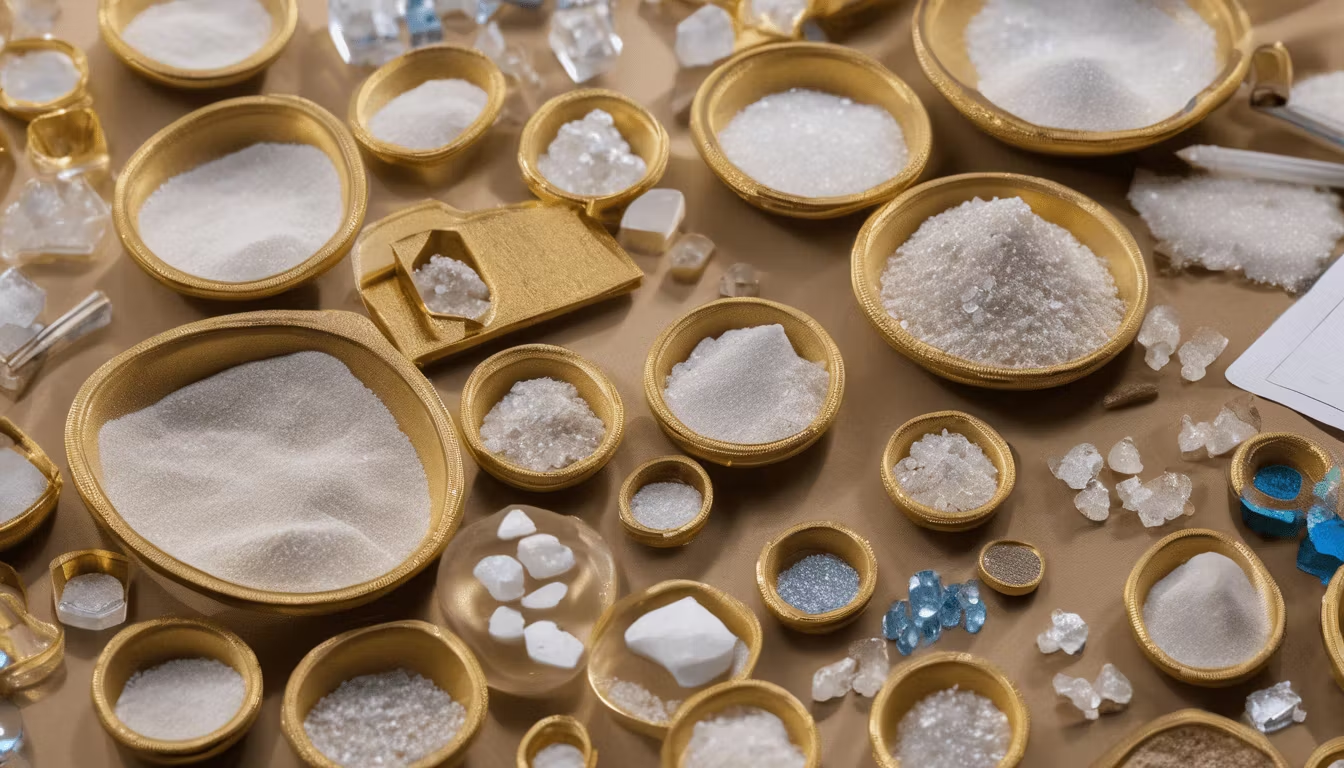
B2B buyers increasingly prioritize suppliers with rigorous quality control systems and third-party testing certifications. SUCOFINDO certification, ISO compliance, and laboratory analysis of key parameters—including SiO2 purity, grain size distribution, moisture content, and iron oxide levels—are now essential differentiators in the market. Industrial buyers recognize that quality inconsistencies can compromise production efficiency, product quality, and ultimately profitability.
Sustainable Sourcing and Environmental Compliance
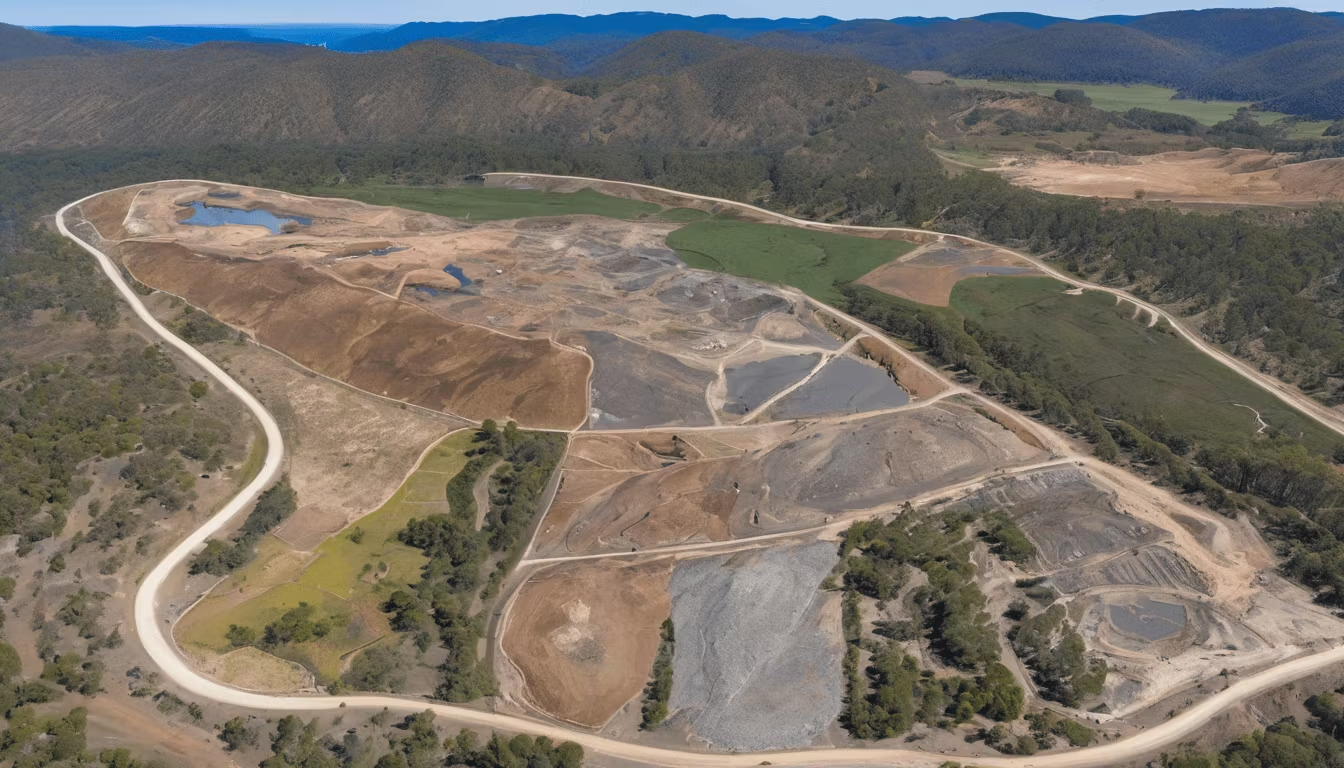
Environmental concerns surrounding sand mining have elevated sustainability expectations across the industry. Responsible sourcing practices, habitat restoration commitments, and compliance with local and international environmental standards are becoming baseline requirements rather than competitive advantages. Suppliers demonstrating certified sustainable practices command premium positioning and long-term contract security.
Supply Chain Resilience and Flexibility
The post-pandemic era has highlighted the importance of supply chain resilience. Buyers increasingly favor suppliers offering flexible order quantities—from small trial shipments to large-scale contracts—and reliable delivery performance. The ability to scale production quickly in response to demand fluctuations has become a critical competitive advantage, particularly for suppliers serving multiple industrial sectors.
Market Projections and Future Outlook
Growth Trajectory Through 2030
Industry analysts project the global silica sand market will reach USD 12.8 billion by 2030, representing sustained 7.4% CAGR. This growth is supported by converging factors: renewable energy expansion, semiconductor manufacturing growth, infrastructure development, and emerging applications in water treatment and advanced ceramics. Regional growth will be uneven, with Asia-Pacific and Middle East regions outpacing developed markets as industrialization continues.
Price Dynamics and Market Consolidation
While commodity silica sand pricing remains sensitive to supply-demand dynamics, specialty grades command premium valuations. Market consolidation trends favor larger suppliers with integrated mining, processing, and distribution capabilities. However, niche players offering specialized grades, consistent quality, and superior customer service continue to capture meaningful market share in regional and sector-specific markets.
Challenges and Market Headwinds
Environmental and Regulatory Pressures
Increasing environmental scrutiny of sand mining operations, particularly concerning water usage and habitat disruption, is tightening regulatory frameworks globally. Some regions are restricting sand mining or implementing strict environmental compliance requirements, constraining supply growth and elevating production costs for non-compliant operators.
Competition from Alternative Materials
In certain applications, engineered materials and recycled alternatives are beginning to compete with virgin silica sand. Glass cullet recycling in the glass industry and engineered aggregates in some construction applications represent incremental competitive pressure, though virgin silica sand remains the preferred choice for most industrial processes.
Strategic Sourcing: Choosing Your Silica Sand Partner
Critical Supplier Evaluation Criteria
B2B buyers should evaluate potential suppliers across multiple dimensions: consistent quality with verified testing certifications, reliable supply capacity and delivery performance, competitive pricing without compromising quality, and proven sustainability and compliance credentials. Direct sourcing from mining operations eliminates middleman costs and ensures supply chain transparency—increasingly valuable in an era of sustainability consciousness and supply chain scrutiny.
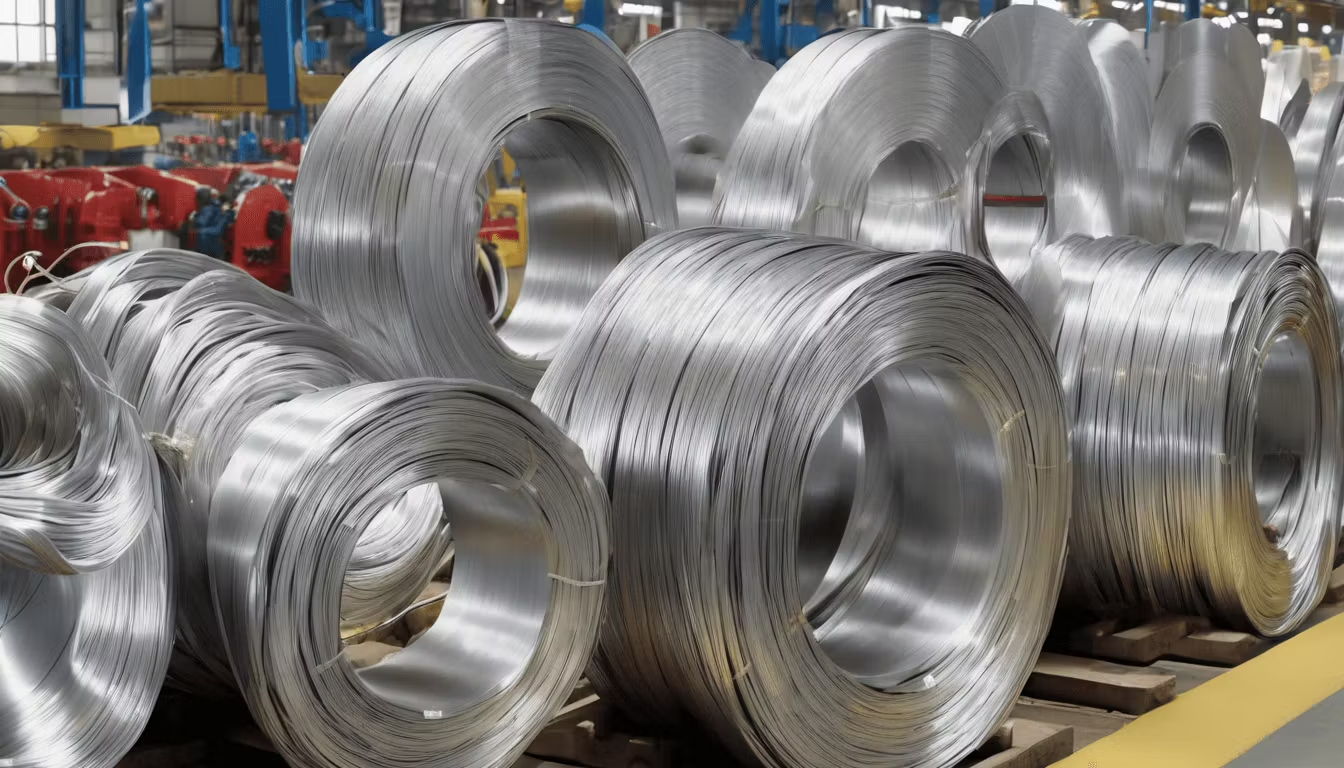
For companies seeking high-quality industrial sand grades, working with established suppliers offering comprehensive product portfolios provides additional operational advantages. Access to complementary materials—such as aluminium ingots, zircon sand, and specialized mineral products—through a single trusted partner streamlines procurement operations and enhances supply chain efficiency.
The Indonesian Advantage in Global Supply
Southeast Asian Production Capacity
Indonesia and neighboring Southeast Asian nations have emerged as significant silica sand suppliers, leveraging abundant mineral reserves, strategic geographic positioning, and competitive production costs. Indonesian silica sand, particularly from Sulawesi and Kalimantan regions, meets stringent international quality standards while offering logistical advantages for serving Asian markets and competitive pricing for long-distance exports.
Integrated Supply Solutions
Leading Indonesian mineral trading companies now offer integrated solutions addressing diverse industrial material needs. Beyond silica sand, comprehensive suppliers provide access to complementary mineral products and industrial materials, enabling multinational buyers to consolidate procurement relationships and simplify logistics management.
Conclusion: Capitalizing on Market Growth Opportunities
The global silica sand market stands at an inflection point, driven by renewable energy expansion, semiconductor growth, infrastructure development, and emerging industrial applications. Organizations that secure reliable access to consistently high-quality industrial sand—from verified, compliant suppliers—position themselves competitively for the growth decade ahead.
The market rewards suppliers demonstrating unwavering commitment to quality, transparency, sustainability, and customer service. Whether serving glass manufacturers, semiconductor fabricators, foundries, or water treatment facilities, reliable access to premium silica sand remains non-negotiable for operational success.
As global demand continues accelerating through 2030, strategic partnerships with established, credible suppliers offering comprehensive quality assurance, flexible supply arrangements, and proven operational reliability become increasingly valuable. The companies that secure these partnerships early gain competitive advantages in supply security, cost management, and operational continuity that persist through market cycles.
Partner With a Trusted Silica Sand Supplier
CV Indoalam Mineral Persada stands ready to support your industrial material requirements with premium-grade silica sand meeting international quality standards. As an IUP OPK-licensed supplier with SUCOFINDO-verified quality assurance, we deliver consistent, certified silica sand grades serving glass manufacturers, foundries, ceramics producers, and industrial customers across Southeast Asia and beyond.
With production capacity exceeding 2.5 million metric tons annually and sourcing from prime mineral regions across Sulawesi, Kalimantan, and Maluku, we offer flexible supply options from 100 MT trial quantities to large-scale annual contracts. Our direct mining relationships ensure competitive pricing without middleman markups, while comprehensive quality testing guarantees material meeting your exact specifications.
Contact us today to discuss your silica sand requirements and explore how Indoalam Mineral Persada can become your strategic supplier for consistent, quality-verified industrial sand products.