Aluminium A7 Grade for Electrical Conductors: Complete Guide
Understanding A7 Grade Aluminium for Electrical Applications
In the global electrical industry, the choice of conductor material directly impacts performance, efficiency, and cost-effectiveness. A7 grade aluminium has emerged as the preferred standard for electrical conductors across power transmission, distribution networks, and industrial applications. Unlike lower-grade alternatives, A7 conductor grade offers superior electrical conductivity, mechanical strength, and thermal stability—making it the go-to choice for engineers and procurement specialists worldwide.
For mining companies and industrial suppliers like CV Indoalam Mineral Persada, understanding the technical specifications and market demand for A7 aluminium is crucial. This grade represents a significant portion of the electrical conductor market, with applications ranging from high-voltage power lines to residential wiring systems.
What Makes A7 Grade Aluminium Unique?
Electrical Conductivity Standards
A7 grade aluminium is defined by its minimum electrical conductivity of 62% IACS (International Annealed Copper Standard). This specification ensures that A7 conductor grade materials maintain consistent performance across demanding electrical applications. The high conductivity-to-weight ratio makes aluminium cable wire solutions approximately 50% lighter than equivalent copper conductors, providing significant advantages in long-distance power transmission.
The purity level of A7 grade aluminium typically ranges from 99.70% to 99.80%, with controlled levels of silicon and iron impurities. These tight specifications ensure minimal energy loss during electrical transmission and superior resistance to corrosion in outdoor environments.
Mechanical Properties and Durability
Beyond electrical performance, A7 grade offers exceptional mechanical properties. The tensile strength of A7 conductor grade materials ranges from 150-210 MPa in the H19 temper condition, providing excellent resistance to wind loads and thermal stress. This durability is essential for overhead power lines that must withstand environmental challenges including temperature fluctuations, UV exposure, and mechanical vibration.
The elongation properties of A7 aluminium allow it to flex and adapt to thermal expansion without cracking or permanent deformation—a critical factor in long-span transmission corridors where temperature variations can exceed 60°C between summer and winter conditions.
Applications of A7 Aluminium in Electrical Systems
Power Transmission and Distribution
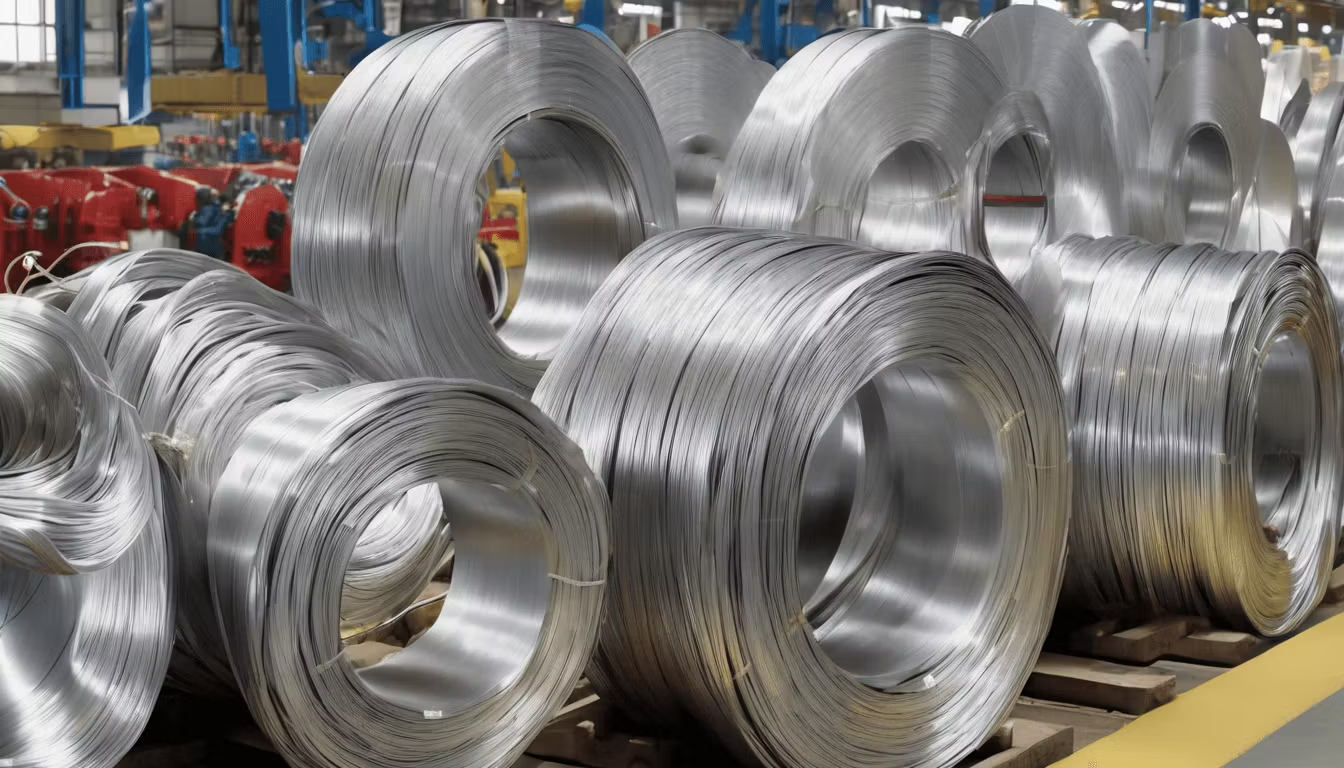
The primary application of aluminium electrical conductor materials is in power transmission systems. Utility companies prefer A7 conductor grade for overhead transmission lines because it combines excellent electrical properties with favorable weight characteristics. A single aluminum cable wire can carry equivalent electrical loads to heavier copper alternatives while reducing the structural requirements for supporting towers and infrastructure.
In distribution networks serving industrial parks and residential areas, A7 grade aluminium provides the cost-to-performance balance that utilities require. The material's thermal conductivity allows efficient heat dissipation during peak load conditions, extending the operational lifespan of electrical systems.
Industrial and Commercial Wiring
Manufacturing facilities, data centers, and commercial real estate installations increasingly specify A7 aluminium for internal wiring systems. The electrical aluminium grade supports high current density applications while maintaining safety margins and compliance with international electrical codes. Building contractors value the ease of installation and the reduced weight compared to copper alternatives.
Renewable Energy Infrastructure
Solar panel installations and wind farm electrical systems rely heavily on A7 conductor grade materials. The combination of corrosion resistance and electrical efficiency makes A7 aluminium ideal for outdoor renewable energy installations that must operate reliably for 20-30 years with minimal maintenance.
A7 vs. ADC12: Understanding Grade Differences
Composition and Performance Metrics
While both A7 and aluminium ingot grades serve industrial purposes, their applications differ significantly. A7 grade is engineered for electrical conductivity and corrosion resistance, with silicon content kept below 0.20%. In contrast, ADC12 (Aluminum Die Casting 12) contains 10-13% silicon, making it suitable for die-casting applications where fluidity and dimensional accuracy matter more than electrical performance.
The electrical conductivity of A7 exceeds ADC12 by a factor of three, making A7 the exclusive choice for electrical conductor applications. ADC12 excels in automotive components, electronic device housings, and mechanical parts where conductivity is secondary to castability and mechanical precision.
Cost Considerations for Industrial Buyers
A7 conductor grade commands a premium price compared to ADC12 due to the stringent refining processes required to achieve the necessary purity levels. However, the total cost of ownership for electrical systems often favors A7 because its superior conductivity reduces energy losses. For large-scale power transmission projects, the energy savings over 30-50 years can offset the initial material cost premium by 15-25%.
Quality Standards and Testing Requirements
International Specifications
A7 aluminium for electrical conductor applications must meet rigorous international standards including:
- ASTM B231: American standard for aluminium wire for electrical purposes
- IEC 60301: International standard for electrical grade aluminium and aluminium alloys
- EN 50183: European standard for electrical conductor materials
- JIS H3101: Japanese Industrial Standard for electrical conductor aluminium
Compliance with these standards requires comprehensive material testing, including spectrographic analysis, electrical conductivity measurement, and mechanical property evaluation. Reputable suppliers conduct independent laboratory testing to verify that each batch meets published specifications.
Testing and Certification Protocols
Quality assurance for A7 conductor grade materials involves multiple verification steps. Chemical composition analysis using X-ray fluorescence (XRF) confirms that silicon, iron, copper, and other alloying elements remain within specified ranges. Electrical conductivity testing using four-point probe methodology validates that the material meets the 62% IACS minimum requirement.
Mechanical testing includes tensile strength evaluation, hardness measurement, and elongation testing to ensure the material can withstand installation stresses and operational loads. Corrosion resistance testing simulates long-term exposure to salt spray and humidity to validate performance in coastal or industrial environments.
Sourcing A7 Aluminium: Direct from Mining and Processing
Supply Chain Advantages
Organizations seeking reliable A7 aluminium supply should consider sourcing directly from established processors rather than through commodity brokers. Direct relationships eliminate middleman markups and provide greater transparency regarding material origin, production methods, and quality control procedures.
CV Indoalam Mineral Persada, as an Indonesian supplier with comprehensive licensing and testing protocols, represents the type of direct source that industrial buyers value. The company's commitment to SUCOFINDO laboratory testing and IUP OPK licensing ensures that supplied materials meet international electrical conductor standards.
Flexibility in Supply Arrangements
Leading industrial suppliers offer flexible ordering arrangements accommodating everything from trial quantities (100 metric tons) to annual contracts (2.5 million metric tons). This flexibility allows manufacturers to test material compatibility before committing to large-scale purchases, and enables long-term cost optimization through volume agreements.
Performance Advantages in Real-World Applications
Energy Efficiency in Power Systems
The superior electrical conductivity of A7 conductor grade materials translates to measurable energy savings in transmission systems. A transmission line carrying 500 amperes at 765 kilovolts experiences approximately 2-3% energy loss using copper conductors, but only 2.8-3.2% loss using optimally-sized A7 aluminium conductors. For a major utility transmitting power across hundreds of kilometers, these fractional percentage improvements represent millions of dollars in annual energy savings.
Thermal Management
The thermal conductivity of A7 aluminium enables efficient heat dissipation during high-current operations. This property becomes critical in industrial facilities operating continuous manufacturing processes where sustained electrical loads generate significant heat. The ability of aluminium cable wire to dissipate heat more effectively than other materials allows higher current ratings without exceeding safe operating temperatures.
Environmental and Sustainability Benefits
Aluminium's recyclability makes A7 conductor grade materials an environmentally responsible choice for long-term infrastructure projects. Unlike copper, which requires energy-intensive processing from ore, recycled aluminium can be reprocessed with minimal degradation of electrical properties. This sustainability aspect increasingly influences procurement decisions at utility companies and major industrial corporations.
Industry Trends and Market Outlook
Growing Demand for Aluminium Electrical Conductors
Global demand for A7 aluminium for electrical conductor applications is projected to grow 4-6% annually through 2030, driven by increasing electrification in developing economies and grid modernization initiatives in developed markets. The transition to renewable energy sources requires substantial new transmission infrastructure, further supporting demand for high-quality aluminium electrical conductor materials.
Integration with Smart Grid Technologies
Modern smart grid systems demand conductor materials with predictable performance characteristics and superior electromagnetic properties. A7 conductor grade aluminium supports the requirements of advanced grid monitoring systems that rely on consistent electrical properties to function effectively.
Selecting the Right Supplier for A7 Aluminium
Key Evaluation Criteria
When evaluating aluminium ingot suppliers, industrial buyers should assess:
- Certifications and Licensing: Verify IUP OPK licensing, SUCOFINDO testing capabilities, and compliance with RKAB requirements
- Quality Consistency: Review historical testing data and customer references for material consistency
- Supply Reliability: Confirm the supplier's capacity to meet contract volumes and delivery schedules
- Technical Support: Evaluate the supplier's ability to provide technical guidance on material selection and application optimization
- Price Competitiveness: Compare pricing structures while ensuring quality standards are not compromised
Long-Term Partnership Considerations
Establishing long-term relationships with dedicated suppliers provides advantages beyond simple price negotiations. Established partnerships enable collaborative quality improvement initiatives, priority access during supply constraints, and customized delivery arrangements that optimize your operational efficiency.
Conclusion: A7 Aluminium as Strategic Infrastructure Material
A7 grade aluminium has earned its position as the preferred standard for electrical conductor applications through decades of proven performance across diverse industrial environments. The combination of superior electrical conductivity, mechanical strength, corrosion resistance, and environmental sustainability makes A7 conductor grade the logical choice for engineers and procurement professionals planning electrical infrastructure projects.
For organizations requiring reliable supply of high-quality A7 aluminium, partnering with established processors ensures access to material that meets international standards while providing cost advantages through direct sourcing. CV Indoalam Mineral Persada represents the type of supplier that combines technical expertise, rigorous quality control, and flexible supply arrangements necessary to support complex industrial operations.
Whether you're planning a major utility transmission project, designing industrial wiring systems, or developing renewable energy infrastructure, understanding the specifications and benefits of A7 conductor grade materials enables informed procurement decisions that balance performance requirements with cost effectiveness.
Ready to explore A7 aluminium sourcing options that align with your project specifications? Contact our team today to discuss your electrical conductor material requirements and discover how CV Indoalam Mineral Persada can support your industrial operations with laboratory-tested, internationally compliant aluminium ingot supplies.