Silica Sand for Fiberglass Production: Complete Requirements & Sourcing Guide
Introduction: Silica Sand's Critical Role in Fiberglass Manufacturing
Fiberglass production is one of the most demanding applications in the industrial minerals market, requiring exceptional purity and consistency. The foundation of high-quality fiberglass begins with premium silica sand—a raw material that directly impacts fiber strength, transparency, and overall product performance.
For manufacturers in the aerospace, automotive, construction, and renewable energy sectors, securing reliable supplies of specification-grade silica sand is mission-critical. This comprehensive guide explores the technical requirements for glass fiber production, the sourcing landscape, and how to partner with dependable mineral suppliers in Indonesia.
Understanding Silica Sand Requirements for Fiberglass Production
Chemical Purity Standards for E-Glass Manufacturing
E-glass (electrical-grade fiberglass) is the most widely used type in fiberglass production, dominating approximately 90% of the global market. The E-glass formulation requires stringent chemical specifications that directly influence fiber performance and end-product quality.
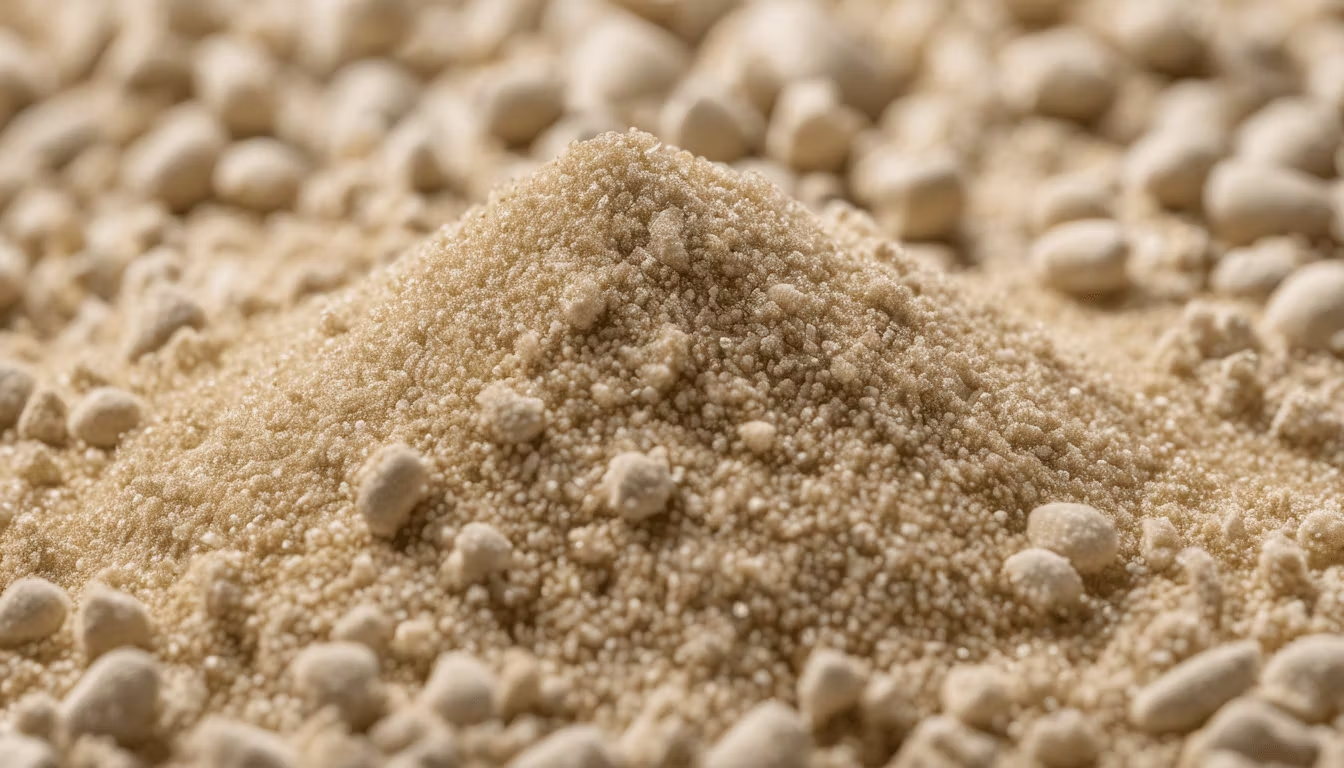
The primary silica sand requirement for E-glass production typically mandates SiO₂ content of 99.5% or higher. Premium suppliers maintain SiO₂ levels between 99.7-99.8%, which provides exceptional margin above minimum specifications. This elevated purity ensures:
- Consistent melting temperatures—reducing furnace strain and improving operational efficiency
- Superior fiber clarity—critical for optical-grade and solar panel applications
- Enhanced chemical durability—extending the lifespan of fiberglass composites in corrosive environments
- Minimal impurity contamination—preventing crystalline defects that weaken fiber structure
Beyond SiO₂ content, E-glass raw materials demand rigorous control of impurity elements. Iron oxides (Fe₂O₃) must remain below 0.15%, as even minor iron contamination causes yellowing and reduces transparency. Alumina (Al₂O₃), typically 14-15% in E-glass formulations, must be carefully balanced. Lime (CaO) and magnesia (MgO) content must be precisely maintained to achieve the desired working viscosity and thermal stability.
Particle Size and Mesh Specifications
Fiberglass manufacturers require silica sand in multiple mesh grades depending on their production processes. The relationship between particle size and melting efficiency is direct—finer particles dissolve more completely in the furnace, reducing processing time and energy consumption.
Standard mesh requirements for fiberglass applications include:
- 100 mesh (150 microns)—rapid dissolution, ideal for continuous melting processes
- 150 mesh (100 microns)—enhanced uniformity, preferred for high-speed fiber drawing
- 200 mesh (75 microns)—finest grade, used for specialty applications requiring exceptional smoothness
- -325 mesh (45 microns)—ultra-fine, employed in advanced composite manufacturing
Particle size distribution (PSD) is equally critical as absolute size. A tight PSD curve ensures uniform melting kinetics, preventing the phenomenon where oversized particles create "cold spots" in the furnace that nucleate defects in drawn fibers.
Moisture Content and Drying Requirements
Silica sand moisture content directly impacts furnace performance. Excess moisture causes steam generation during melting, which can introduce bubbles into the molten glass. These bubbles translate to voids in drawn fibers, catastrophically reducing tensile strength.
E-glass manufacturers typically specify moisture content below 0.5%, with premium suppliers maintaining levels between 0.1-0.3%. This requires sophisticated drying infrastructure, including rotary dryers and moisture analysis equipment. Suppliers must demonstrate consistent drying protocols, particularly for finer mesh grades which are hygroscopic.
Glass Fiber Production Process and Material Flow
From Raw Material to Reinforcing Fiber
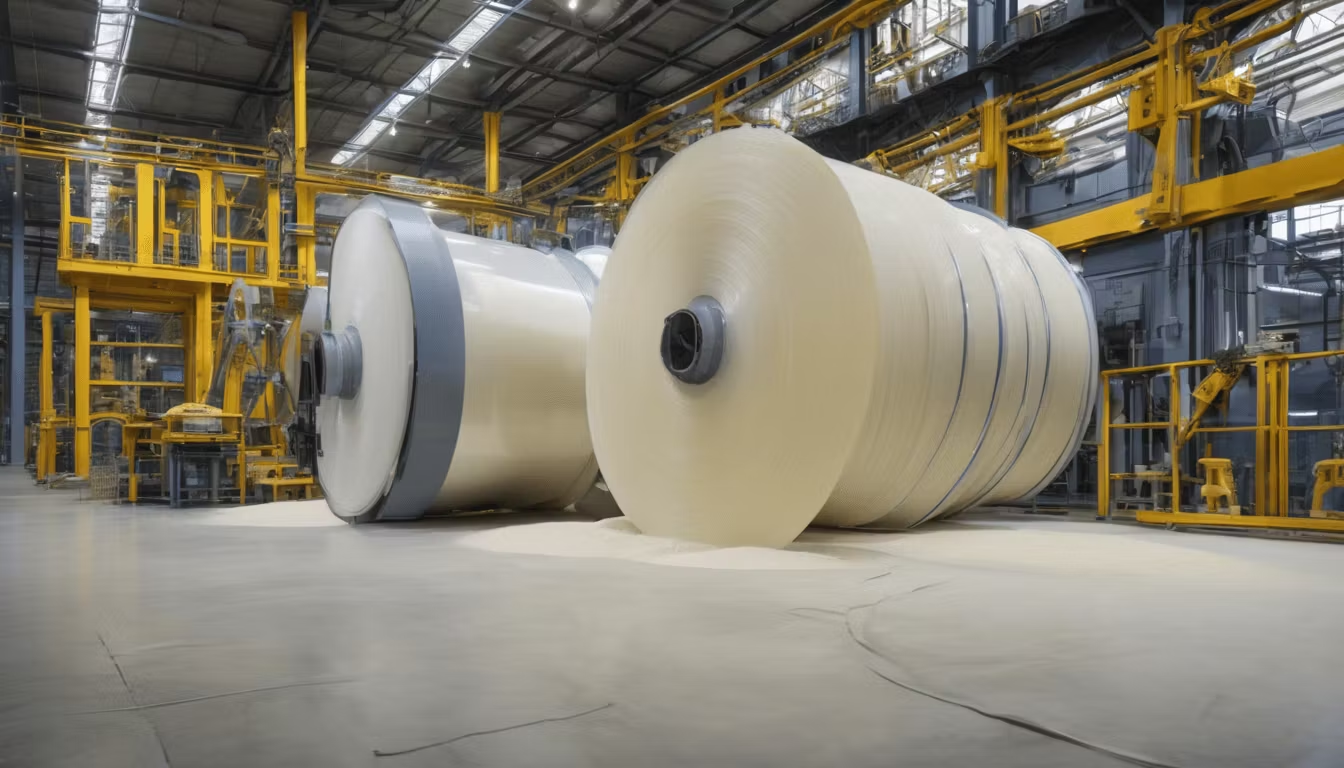
Understanding how silica sand transforms into finished fiberglass helps clarify specification requirements. The process begins with batch preparation, where silica sand is combined with other raw materials (alumina, lime, soda ash, borax) in precise proportions. This batch is fed into a furnace operating at 1700-1800°C, where materials fuse into molten glass.
The quality of silica sand fundamentally determines melting efficiency and glass homogeneity at this stage. Poor purity or inconsistent particle sizes create compositional variations that ripple through to fiber properties. This is why fiberglass manufacturers—particularly those serving aerospace and defense markets—demand material traceability and batch-specific testing documentation.
After melting, molten glass flows through bushings (heated platinum dies containing 200-400 microscopic orifices) where fibers are drawn at speeds exceeding 1 kilometer per minute. Silica sand quality here becomes critical again: any undissolved particles or crystalline inclusions in the melt can clog bushings, causing expensive downtime.
Critical Performance Metrics
The tensile strength of finished fiberglass filaments is typically 3,000-3,500 MPa, with modulus around 70-80 GPa. These properties depend directly on:
- Glass homogeneity (enabled by pure silica sand)
- Absence of voids and inclusions (requiring low moisture and impurity)
- Consistent thermal processing (enhanced by uniform particle sizing)
Manufacturers producing carbon fiber composites, wind turbine blades, or aerospace structures cannot tolerate fiber strength variance. This explains why silica sand sourcing for fiberglass is fundamentally different from sourcing for construction applications—specification adherence is non-negotiable.
Global E-Glass Raw Material Standards
International standards provide the framework for silica sand specifications. The American Society for Testing and Materials (ASTM) and International Organization for Standardization (ISO) have established rigorous testing protocols.
Key standards include:
- ASTM C325—Standard Practice for Sampling Aggregates
- ASTM D1193—Standard Specification for Reagent Water
- ISO 2591-1—Particle size distribution determination (sieving method)
- ISO 9001—Quality management systems certification
Premium suppliers maintain independent third-party testing through organizations like SUCOFINDO in Indonesia, providing certifications that validate consistent compliance with these international standards.
Sourcing Silica Sand for Fiberglass: Regional Advantages
Indonesia's Strategic Position in the Global Supply Chain
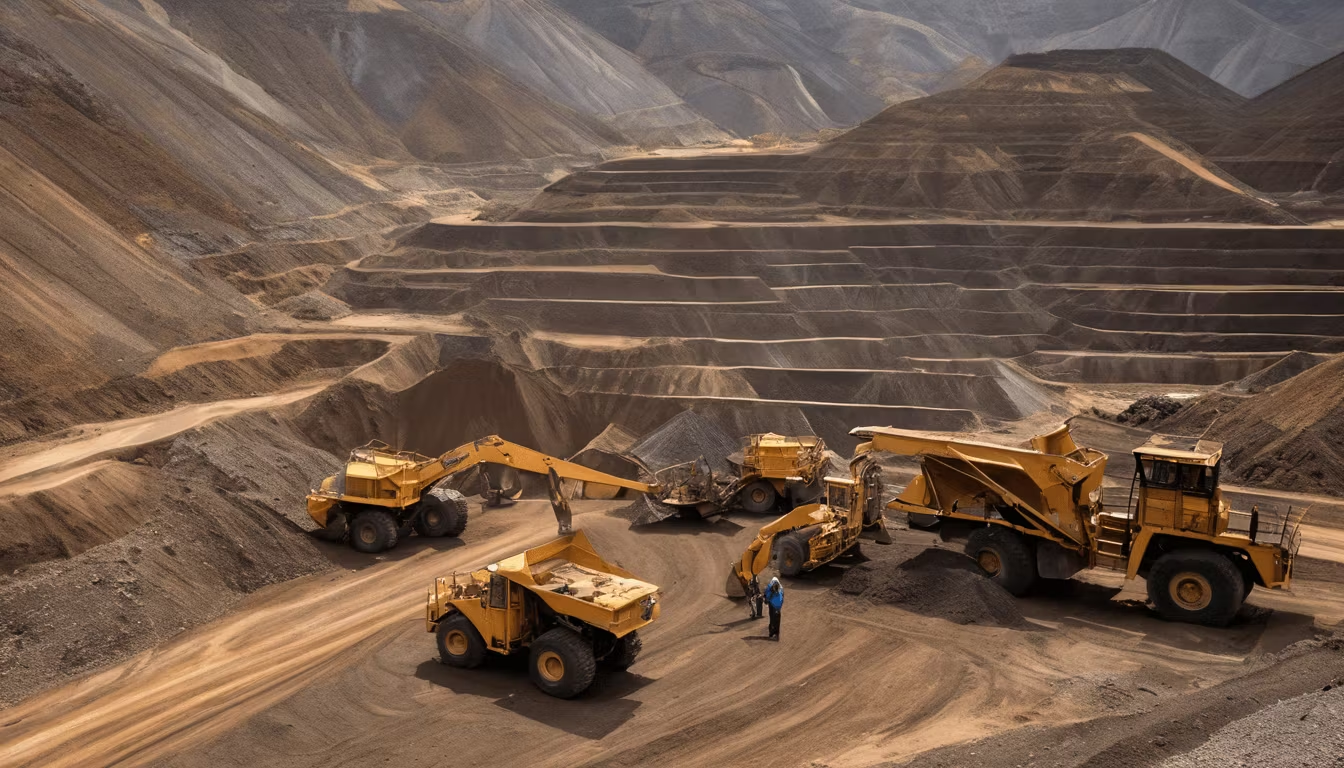
Indonesia possesses substantial silica sand reserves, with major deposits concentrated in Kalimantan and the eastern provinces. The archipelago's geological formations, particularly in Sulawesi and Maluku regions, contain high-purity silica deposits ideal for glass fiber applications.
Indonesian suppliers offer significant advantages for global fiberglass manufacturers:
- Price competitiveness—lower extraction and labor costs compared to Western suppliers
- Strategic location—proximity to Asian manufacturing hubs in South Korea, Vietnam, and Thailand
- Regulatory compliance—established mining licensing (IUP OPK) and quality assurance frameworks
- Production capacity—large-scale operations capable of handling multi-million-ton annual commitments
For manufacturers establishing regional production facilities or seeking to diversify supply chains away from single-source dependency, Indonesian sourcing provides geographic and commercial resilience.
Navigating Supplier Selection and Quality Assurance
Not all silica sand suppliers meet E-glass specifications. Buyers must conduct rigorous due diligence including:
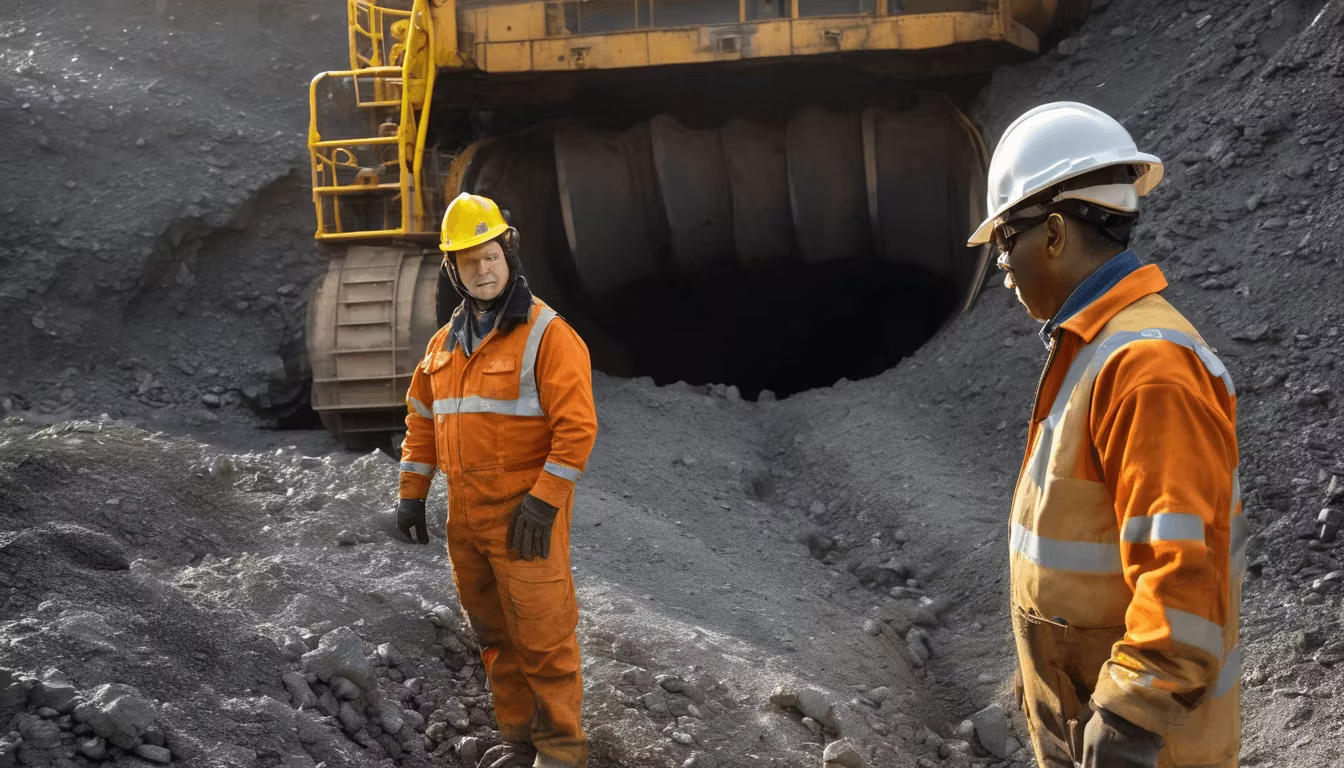
- Mine site inspections—verifying extraction methods and environmental controls
- Processing facilities assessment—evaluating crushing, washing, and drying infrastructure
- Laboratory testing capability—confirming independent analysis capacity (XRF, particle size analysis, moisture measurement)
- Certification verification—validating ISO 9001, RKAB approval, and SUCOFINDO testing credentials
- Supply chain documentation—requiring batch traceability from extraction through delivery
Established suppliers with transparent sourcing operations and comprehensive quality management systems provide assurance that specifications will be consistently maintained across production runs.
Technical Specifications and Testing Protocols
Essential Analysis Methods
Fiberglass manufacturers verify silica sand quality through standardized testing:
Chemical Analysis (X-Ray Fluorescence - XRF)
XRF spectroscopy provides rapid, non-destructive elemental composition analysis. Suppliers should provide XRF reports confirming SiO₂ ≥99.5%, Fe₂O₃ <0.15%, Al₂O₃ within specification range, and all trace elements documented.
Particle Size Distribution (Laser Diffraction / Sieve Analysis)
Laser diffraction provides precise PSD curves across the full range. Results should show narrow distribution with 90% of particles within ±20% of target size. Cumulative percent finer curves demonstrate whether material meets mesh specifications.
Moisture Content Analysis
Karl Fischer titration or loss-on-ignition testing confirms moisture levels. Results must document both surface moisture and hygroscopic moisture, critical for materials stored in high-humidity environments.
Impurity Detection
Inductively Coupled Plasma (ICP) analysis identifies trace elements including lead, cadmium, chromium, and other contaminants that could compromise fiberglass properties or create environmental/health concerns in manufacturing facilities.
Batch Testing and Traceability Documentation
Premium suppliers maintain comprehensive batch records. Each delivery should include certificates specifying:
- Mine location and extraction date
- Processing date and equipment used
- Testing lab and analyst identification
- Complete analytical results for all critical parameters
- Comparison to specification limits with pass/fail determination
- Storage conditions and shelf-life information
This documentation enables fiberglass manufacturers to correlate finished product performance with raw material batches, facilitating rapid root-cause analysis if quality issues arise.
Market Dynamics and Supply Chain Considerations
Demand Drivers for E-Glass Applications
Global fiberglass demand is expanding across multiple sectors. The renewable energy industry—particularly wind turbine blade manufacturing—represents the fastest-growing application, with blade lengths exceeding 100 meters requiring massive quantities of high-performance fiberglass. Automotive lightweighting trends are driving adoption of fiberglass-reinforced plastics in body panels and structural components. Construction applications in emerging markets continue expanding.
This growing demand creates supply chain pressures. Established E-glass manufacturers operate near capacity, and securing reliable silica sand sourcing has become increasingly competitive. Buyers with long-term supplier partnerships and flexible procurement strategies gain significant competitive advantages.
Supply Contract Structures
Fiberglass manufacturers employ varying procurement approaches:
Spot Market Purchases
Useful for inventory replenishment or trial production runs, spot purchases typically occur in quantities from 100-500 metric tons with shorter delivery windows (4-6 weeks).
Quarterly/Annual Contracts
Volume commitments of 10,000-100,000+ metric tons with fixed pricing and specifications provide supply certainty. These contracts typically include price adjustment clauses tied to commodity indices and force majeure provisions.
Strategic Partnerships
Large manufacturers may negotiate exclusive or near-exclusive supply arrangements with dedicated production allocations. These partnerships often involve supplier investment in specialized processing or quality infrastructure.
Choosing a Reliable Silica Sand Supplier
Your silica sand supplier directly impacts your fiberglass quality, manufacturing efficiency, and customer satisfaction. Evaluate potential partners across multiple dimensions:
Operational Capability—Confirm annual production capacity exceeds your projected requirements by 20-30%, providing buffer for fluctuations or unexpected demand.
Quality Infrastructure—Visit processing facilities to assess crushing, washing, drying, and screening equipment. Modern, well-maintained equipment indicates commitment to consistent specifications.
Laboratory Capacity—Independent testing capability through accredited facilities demonstrates confidence in product quality and transparency in results.
Regulatory Compliance—Verify mining licenses (IUP OPK in Indonesia), environmental permits, and quality management certifications. Compliance indicates long-term stability and reduced regulatory risk.
Supply Chain Transparency—Request detailed sourcing information, processing protocols, and traceability documentation. Transparent suppliers facilitate root-cause analysis and continuous improvement.
Technical Support—Evaluate responsiveness to technical questions, willingness to conduct joint testing programs, and flexibility in customizing specifications for your specific applications.
Conclusion: Securing Premium Silica Sand for Fiberglass Excellence
High-quality fiberglass demands equally high-quality raw materials. Silica sand specification adherence directly translates to fiber strength, transparency, and manufacturing efficiency. As global fiberglass demand expands across renewable energy, automotive, and construction sectors, sourcing partnerships with reliable suppliers become increasingly strategic.
CV Indoalam Mineral Persada stands as a trusted partner for premium silica sand sourcing. With IUP OPK licensing, SUCOFINDO-certified testing, RKAB approval, and annual production capacity of 2.5 million metric tons, Indoalam delivers specification-grade materials for fiberglass manufacturers across Indonesia and internationally.
Our silica sand—sourced from premium deposits in Kalimantan, Sulawesi, and Maluku—achieves SiO₂ content of 99.74%, with multiple mesh grades (8-200) available for diverse processing requirements. We provide complete batch traceability, independent laboratory testing, and flexible supply arrangements from trial quantities to multi-year contracts.
Whether you're establishing new fiberglass production capacity or optimizing existing supply chains, contact us today to discuss your silica sand requirements. Our team will assess your specifications, production timeline, and volume needs to develop a customized sourcing solution that delivers consistent quality and competitive economics.
About CV Indoalam Mineral Persada: Founded in 2022 and established as a formal CV in 2024, Indoalam specializes in premium mineral sourcing across Indonesia. We supply major manufacturers with nickel ore, quartz sand, aluminium ingot, and zircon sand. Our commitment to quality, compliance, and customer partnership ensures you receive materials that exceed specifications and support your manufacturing excellence.