Mining Safety Standards in Indonesia: K3 Regulations Guide
Understanding K3 Mining Safety Standards in Indonesia
The Indonesian mining industry operates under strict occupational health and safety (K3—Kesehatan dan Keselamatan Kerja) regulations designed to protect workers and ensure sustainable operations. As one of the world's largest mineral producers, Indonesia has developed comprehensive mining safety standards that govern everything from exploration to mineral processing and transportation. For B2B mining companies and buyers sourcing minerals like nickel ore, silica sand, and other commodities, understanding these regulations is essential for compliance and operational excellence.
K3 pertambangan (mining occupational health and safety) encompasses a broad range of requirements set forth by Indonesia's Ministry of Energy and Mineral Resources, Ministry of Manpower, and supporting regulatory bodies. These standards ensure that mining operations meet international best practices while protecting both workers and the environment. Companies operating in Indonesia's mining sector must demonstrate commitment to K3 compliance through proper training, equipment maintenance, accident prevention programs, and regular audits.
Legal Framework for Mining Safety in Indonesia
Key Regulatory Bodies and Legislation
Indonesia's mining safety framework is governed by multiple legislative instruments and regulatory authorities. Law No. 1 of 1970 concerning Occupational Safety serves as the foundation for K3 pertambangan, establishing fundamental principles for workplace safety across all industries. The Mining Law No. 4 of 2009, coupled with Government Regulation No. 55 of 2018 on Occupational Safety and Health Management Systems (SMK3), provides sector-specific guidelines for mining operations.
The Ministry of Energy and Mineral Resources (MEMR) oversees mining-specific K3 standards through various ministerial regulations and technical guidelines. Additionally, the Ministry of Manpower enforces compliance through workplace inspections and certifications. The National Standards Agency (BSN) has established Indonesian National Standards (SNI) for mining equipment, personal protective equipment (PPE), and safety procedures.
IUP OPK and Licensing Requirements
Mining operations in Indonesia require an IUP OPK (Izin Usaha Pertambangan Operasional Produksi) license, which mandates adherence to K3 standards as a condition of operation. Companies must submit detailed K3 risk management plans, environmental impact assessments, and occupational health programs as part of the licensing process. Compliance verification occurs through SUCOFINDO and other accredited inspection bodies, ensuring that operational practices meet government-established mining safety standards.
Core K3 Mining Safety Requirements
Occupational Health and Hazard Assessment
All mining operations must conduct comprehensive occupational health assessments identifying potential hazards specific to their extraction and processing methods. For aluminium ingot production facilities and mineral processing plants, hazards include exposure to dust, chemical fumes, heavy metals, thermal burns, and noise pollution. Employers must implement the Hazard Identification, Risk Assessment, and Determining Control (HIRADC) methodology to systematically evaluate workplace risks.
Regular occupational health monitoring of workers is mandatory, including baseline health examinations, periodic medical check-ups, and exposure assessments. For mining operations dealing with materials like zircon sand, which contains radioactive elements, specialized health monitoring protocols are required to track cumulative radiation exposure.
Personal Protective Equipment (PPE) Standards
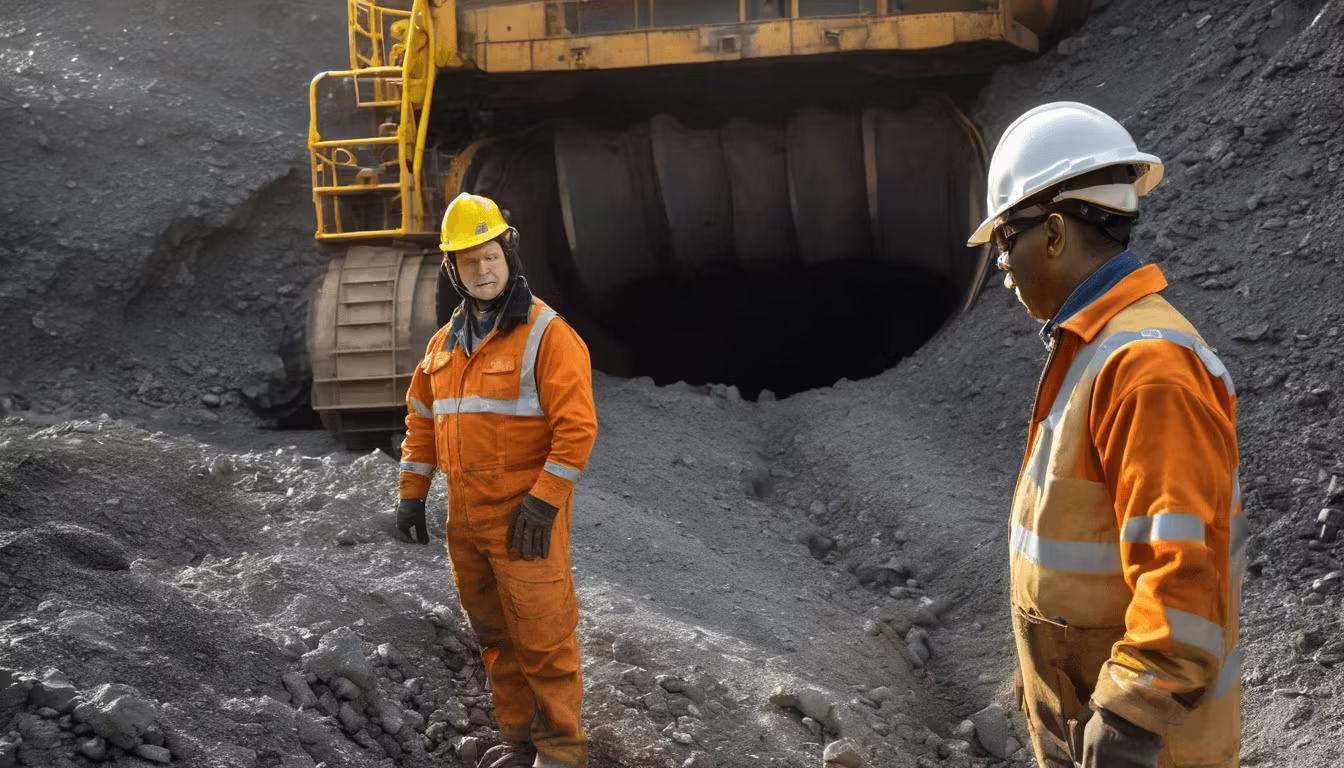
K3 regulations mandate comprehensive PPE provision based on identified workplace hazards. Mining workers must be equipped with hard hats, safety glasses, respiratory protection, hearing protection, steel-toed boots, and high-visibility clothing. For workers in nickel ore processing facilities handling acidic or alkaline solutions, chemical-resistant gloves and face shields are essential.
Employers must ensure PPE meets SNI standards, is properly maintained and replaced according to manufacturer specifications, and that workers receive training on correct usage. Regular audits verify that PPE is worn consistently and correctly throughout operational areas.
Safe Work Procedures and Training
Every mining operation must establish Standard Operating Procedures (SOPs) for all tasks, with particular emphasis on high-risk activities such as heavy equipment operation, confined space entry, and chemical handling. Workers must receive initial K3 training upon employment and participate in refresher courses annually. Specialized training is required for operators of excavators, drilling equipment, crushing machinery, and transportation vehicles.
Competency certifications demonstrating proficiency in specific operations are mandatory. For example, personnel operating crushing and screening equipment at silica sand processing facilities must hold valid operator certifications. Supervisors and safety officers must complete advanced K3 training and obtain certification from recognized training providers.
Mining Site Safety Management Systems
Incident Reporting and Investigation
K3 pertambangan regulations require all accidents, injuries, and near-miss incidents to be reported to management and relevant authorities within specified timeframes. Mining companies must maintain detailed incident logs, conduct root cause investigations for all accidents, and implement corrective actions to prevent recurrence. Fatalities and serious injuries must be reported to the Ministry of Manpower and relevant provincial authorities immediately.
Investigation reports must identify contributing factors, assign responsibility, and detail preventive measures. These findings inform ongoing risk assessments and training program updates, creating a continuous improvement cycle in occupational health and safety practices.
Emergency Response and Evacuation Planning
Mining operations must establish emergency response procedures addressing potential scenarios including fires, explosions, chemical spills, equipment failures, and natural disasters. Evacuation plans must be clearly posted, regularly practiced through drills, and updated to reflect operational changes. Designated assembly points, communication systems, and emergency medical facilities must be established and maintained.
First aid stations with trained personnel must be accessible throughout mining sites. For operations in remote locations like those in Sulawesi's Morowali and Konawe regions, emergency medical protocols must account for geographic isolation and ensure rapid access to emergency care.
Environmental and Health Monitoring
Mining operations must implement continuous environmental monitoring programs measuring air quality, water contamination, noise levels, and dust emissions. Occupational exposure limits established by Indonesian regulations must be strictly observed. Workplace air sampling, sound level measurements, and water quality testing occur at regular intervals with documentation retained for regulatory review.
Biological monitoring programs track worker exposure to hazardous substances through blood tests, urine analysis, and other biomarkers. Results guide adjustments to control measures and inform occupational health decision-making.
K3 Compliance and Certification Standards
SMK3 Certification (Occupational Safety and Health Management System)
The Indonesian government recognizes SMK3 certification as the primary mechanism for demonstrating comprehensive K3 compliance. This certification, governed by SNI ISO 45001:2018 standards, requires companies to establish integrated management systems addressing all aspects of occupational safety and health. The certification process involves third-party audits by accredited certification bodies.
Obtaining SMK3 certification demonstrates to clients and regulatory authorities that mining operations maintain world-class safety standards. For B2B buyers sourcing minerals from Indonesian suppliers, SMK3 certification serves as independent verification of the supplier's commitment to mining safety standards and worker protection.
SUCOFINDO Testing and Verification
SUCOFINDO, Indonesia's premier inspection and certification body, plays a crucial role in K3 compliance verification for mining operations. SUCOFINDO inspectors conduct workplace audits, verify equipment maintenance records, assess training documentation, and confirm PPE compliance. Their accreditation by international bodies ensures that assessments meet global standards.
Mining companies seeking to demonstrate K3 compliance to international buyers increasingly rely on SUCOFINDO certifications. These independent verifications provide third-party assurance that occupational health and mining safety standards are being met consistently.
Industry-Specific K3 Considerations
Nickel Ore Processing and Safety
Nickel ore operations, whether processing saprolite or limonite ore, present specific K3 challenges including dust exposure, thermal hazards from roasting operations, and chemical handling risks in hydrometallurgical processes. Workers face respiratory hazards from nickel dust and potential dermatological effects. HPAL (High Pressure Acid Leaching) facilities require specialized safety protocols for handling corrosive chemicals and high-temperature, high-pressure equipment.
Silica Sand Operations and Respiratory Protection
Silica sand mining and processing operations require particularly stringent respiratory protection programs due to crystalline silica dust hazards, which can cause silicosis—a serious occupational lung disease. Workers must wear supplied-air respirators or negative-pressure respirators in processing areas. Dust suppression systems, including water sprays and enclosure of crushing equipment, are mandatory control measures. Medical surveillance includes baseline and periodic chest X-rays and lung function testing.
Foundry and Metal Processing Safety
Facilities utilizing materials like aluminium ingots in casting operations face hazards including molten metal burns, furnace heat exposure, and metal fume inhalation. Engineering controls must include furnace enclosures, local exhaust ventilation, and worker positioning to minimize heat exposure. PPE must withstand high temperatures, and workers require specialized training in molten metal handling procedures.
Best Practices for Mining Operations and Suppliers
Proactive Hazard Management
Leading mining suppliers go beyond minimum K3 requirements by implementing proactive hazard management programs. This includes regular hazard assessments during seasonal changes or operational modifications, engagement of safety consultants, and adoption of advanced safety technologies such as real-time air quality monitoring systems and wearable safety devices.
Worker Engagement and Safety Culture
Companies with excellent K3 track records foster strong safety cultures where workers actively participate in hazard identification and corrective action development. Safety committees comprising management and worker representatives meet regularly to discuss incidents, near-misses, and improvement opportunities. Workers receive incentives for reporting hazards and suggesting safety improvements.
Continuous Training and Competency Development
Rather than conducting training solely to meet regulatory minimums, industry-leading operations implement continuous learning programs updating workers on emerging hazards, new equipment, and evolving best practices. Mentorship programs pair experienced workers with new employees, facilitating knowledge transfer about site-specific safety challenges.
Challenges and Future Directions in Indonesian Mining Safety
Implementation Consistency Across Regions
While K3 standards are established nationally, enforcement consistency varies across Indonesia's diverse mining regions—from Sulawesi to Kalimantan to Maluku. Remote operations may face challenges accessing qualified safety professionals, acquiring compliant equipment, or providing adequate emergency medical services. Industry leaders address these challenges through centralized safety training programs and partnerships with qualified service providers.
Technology Integration and Digital Monitoring
The future of mining safety in Indonesia increasingly involves digital technologies including IoT sensors for real-time environmental monitoring, drone-based site inspections, and artificial intelligence for predictive hazard identification. Forward-thinking mining companies are investing in these technologies to enhance occupational health monitoring and create safer work environments.
Alignment with International Standards
As Indonesian mining companies increasingly export to international markets, alignment with ISO 45001 and other international occupational health standards becomes increasingly important. This convergence strengthens safety outcomes while facilitating international trade relationships.
Choosing a Compliant Mining Supplier
When selecting suppliers for critical minerals and materials, B2B buyers should prioritize companies demonstrating comprehensive K3 compliance. Request documentation including SMK3 certification status, SUCOFINDO inspection reports, occupational health monitoring records, and incident statistics. Reputable suppliers maintain transparent safety records and welcome customer audits of their facilities.
CV Indoalam Mineral Persada operates under full IUP OPK licensing with SUCOFINDO verification and RKAB approval, ensuring compliance with all Indonesia's mining safety standards and occupational health regulations. Our commitment to K3 pertambangan extends beyond regulatory compliance to encompass genuine worker protection and operational excellence. Whether sourcing nickel ore for smelting operations or silica sand for industrial applications, you can trust that Indoalam's materials are produced under rigorous safety and quality standards.
For more information about our commitment to mining safety standards and to discuss your mineral sourcing needs, contact us today. Learn more about us and our comprehensive compliance framework.