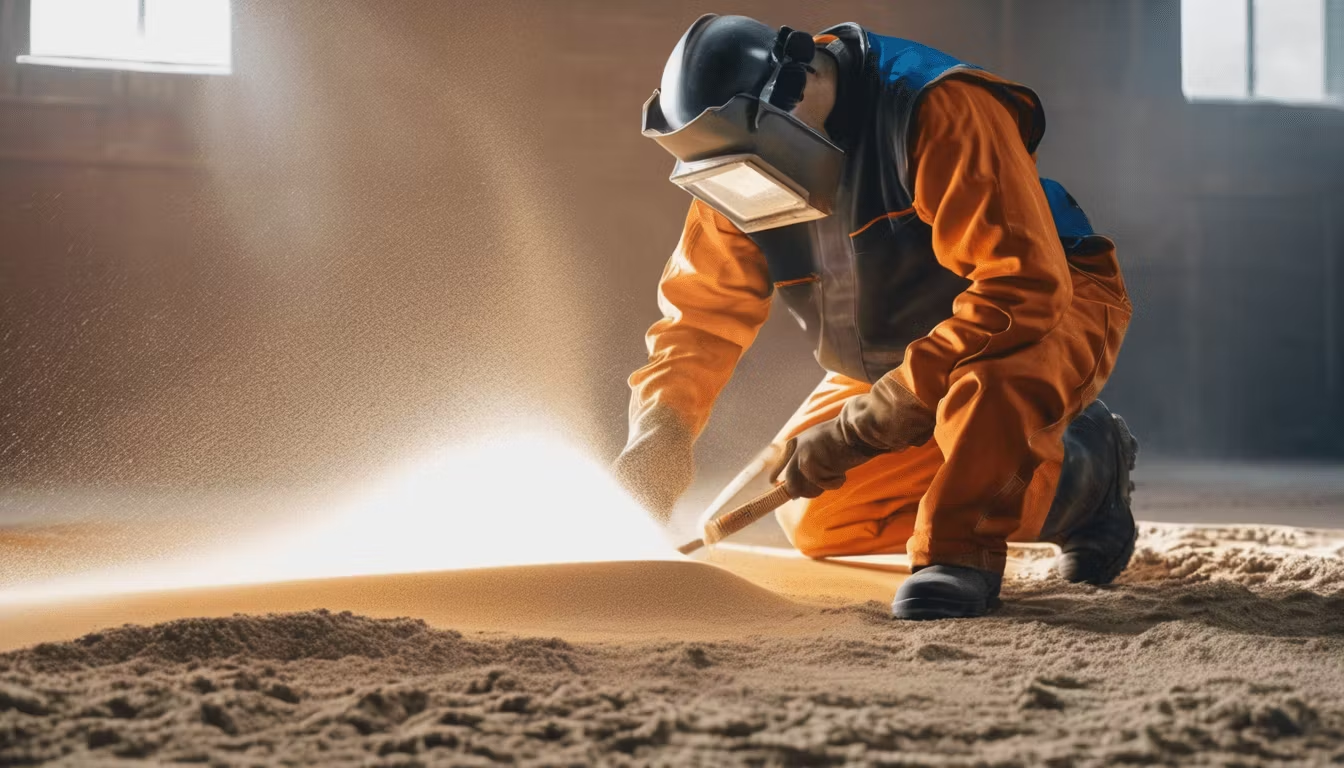
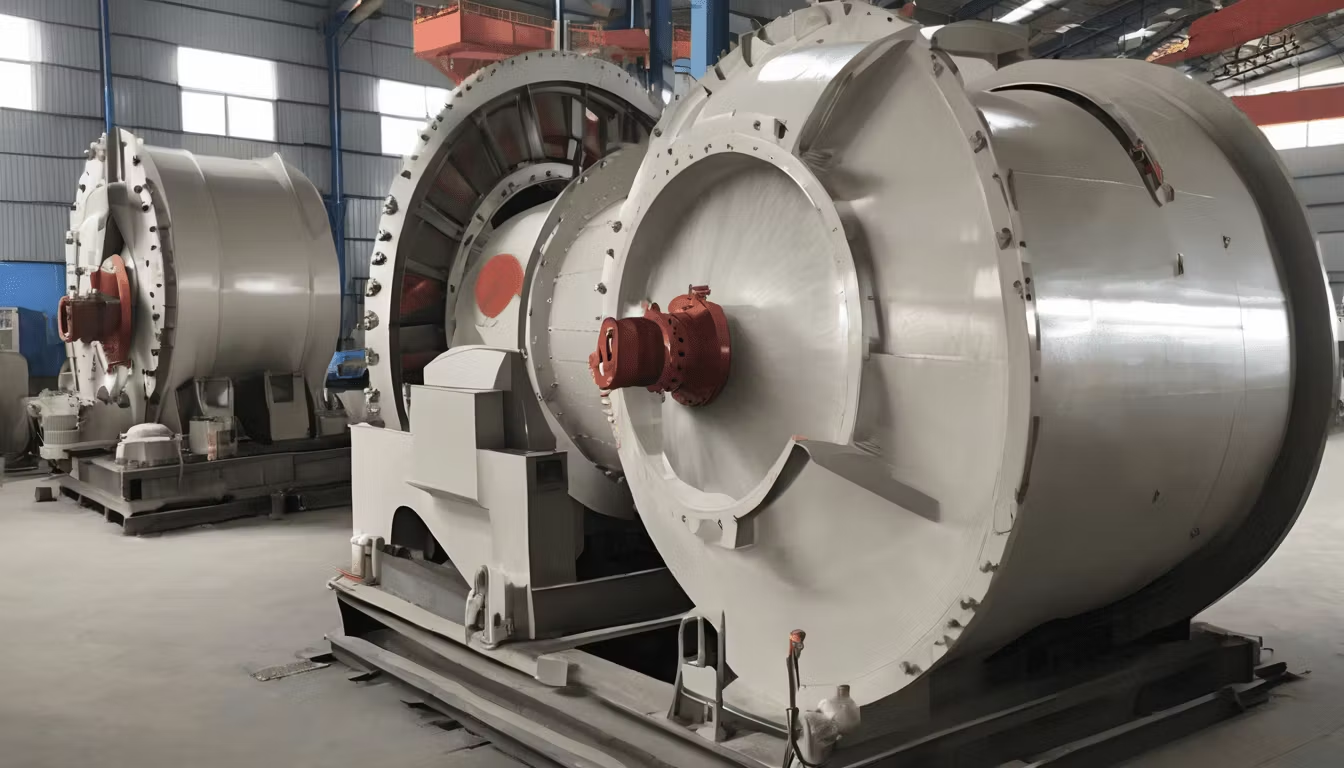
Zircon Sand in Advanced Ceramics: Applications & Benefits

Introduction: The Critical Role of Zircon Sand in Modern Ceramics
The global ceramics industry has undergone a significant transformation over the past two decades, driven by innovations in material science and manufacturing technology. At the heart of this evolution lies zircon sand, a mineral compound that has become indispensable for manufacturers seeking to enhance product quality, durability, and aesthetic appeal. Zircon sand, composed primarily of zirconium silicate (ZrSiO₄), contains ZrO₂ concentrations of 65% or higher, making it a powerhouse ingredient in advanced ceramic applications.
For B2B ceramic manufacturers, procurement professionals, and industrial buyers, understanding the specific applications and benefits of high-grade zircon sand is essential for maintaining competitive advantage in an increasingly demanding market. This comprehensive guide explores how zircon sand transforms ceramic products and why sourcing from reliable suppliers matters.
What is Zircon Sand? Composition and Properties
Chemical Composition and Grade Standards
Zircon sand is a naturally occurring mineral that crystallizes as zirconium silicate (ZrSiO₄). Industrial-grade zircon sand typically contains:
- ZrO₂: 65-67% (primary valuable component)
- SiO₂: 30-32% (silica content)
- Fe₂O₃: <0.1-0.5% (iron oxide, minimal)
- TiO₂: <0.1% (titanium oxide, trace)
High-grade zircon sand meeting international standards maintains consistent chemical composition, ensuring predictable performance across production batches. This consistency is critical for manufacturers producing advanced ceramics where precise material properties directly impact final product specifications.
Physical Characteristics
Beyond chemical composition, zircon sand exhibits exceptional physical properties that make it suitable for demanding ceramic applications:
- High Melting Point: Approximately 2,550°C, enabling use in extreme-temperature applications
- Density: 4.6-4.8 g/cm³, providing excellent structural stability
- Particle Size Range: Available in multiple mesh grades from 100 to 325 mesh, allowing customization for specific manufacturing processes
- Refractory Properties: Maintains structural integrity under prolonged thermal stress
- Brightness: Natural white-cream coloration with high opacity
ZrO2 Opacifier: Transforming Ceramic Aesthetics
How ZrO₂ Functions as an Opacifier
One of the most significant applications of zircon sand in ceramics is its role as a ZrO₂ opacifier. When zircon sand is incorporated into ceramic glazes and bodies, the zirconium oxide component acts as a powerful opacifying agent, transforming transparent or translucent glazes into brilliant, opaque white finishes.
The opacifying mechanism works through light scattering. ZrO₂ particles, when properly dispersed within a glaze matrix, scatter visible light across multiple wavelengths. This scattering prevents light from passing through the glaze layer, creating the signature bright white appearance that characterizes premium ceramic products. The effectiveness of this opacification depends on:
- Particle size uniformity
- Zircon purity and ZrO₂ concentration
- Proper integration into the glaze chemistry
- Firing temperature and duration
Applications in Ceramic Product Lines
The ZrO₂ opacifier properties of zircon ceramics applications span multiple product categories:
- Sanitary Ware: Porcelain toilets, sinks, and wash basins benefit from opaque white finishes that hide underlying ceramic body discoloration
- Tableware & Dinnerware: Premium dishes and serving pieces use zircon-opacified glazes to achieve consistent whiteness and brightness
- Decorative Ceramics: Art tiles, decorative plates, and sculptural pieces leverage opacification for aesthetic effects
- Cookware: Ceramic cooking vessels and ovenware utilize zircon-based glazes for both functional and aesthetic properties
- Tile Manufacturing: Wall and floor tiles achieve superior opacity and uniform color distribution using zircon sand additives
Refractory Applications: High-Temperature Performance
Zircon in Refractory Materials
Beyond aesthetic applications, refractory zircon represents a critical market segment for specialized industrial ceramics. Refractory materials must withstand extreme temperatures, thermal shock, and aggressive chemical environments without degradation. Zircon sand excels in these demanding conditions due to its exceptional thermal stability and chemical inertness.
Refractory zircon applications include:
- Kiln Furniture: Shelves, stilts, and props used during ceramic firing must survive repeated thermal cycling at temperatures exceeding 1,300°C
- Glass Manufacturing Refractories: Zircon-based refractories line glass furnaces where temperatures reach 1,600-1,700°C
- Foundry Applications: Investment casting mold materials benefit from zircon's high refractoriness and low thermal expansion
- Industrial Kiln Linings: Cement kilns, lime kilns, and specialty furnaces use zircon refractories for extended service life
- Crucibles and Containers: High-purity zircon enables manufacturing of specialized crucibles for metallurgical and research applications
Thermal and Chemical Stability Advantages
The superiority of refractory zircon stems from several material characteristics:
Thermal Expansion Control: Zircon exhibits a unique crystal structure that minimizes thermal expansion, reducing stress-induced cracking during thermal cycling. This property extends refractory service life significantly compared to traditional materials.
Chemical Inertness: Zircon resists attack from molten glass, metal oxides, and acidic/basic slags. This chemical stability makes it ideal for applications involving corrosive molten materials.
Load Bearing at Temperature: Unlike many ceramic materials that soften at elevated temperatures, zircon maintains structural integrity and strength at operating temperatures approaching its melting point.
Sourcing High-Quality Zircon Sand: What B2B Buyers Should Know
Quality Standards and Testing
For industrial buyers, zircon sand quality directly impacts product performance and production efficiency. Reputable suppliers should provide:
- SUCOFINDO laboratory certification confirming chemical composition and purity
- Consistent particle size distribution matching specification requirements
- Low heavy metal contamination (lead, cadmium, arsenic)
- Moisture content control below 0.5%
- Comprehensive batch documentation and traceability
Indonesian Zircon Sand: Geographic and Regulatory Advantages
Indonesia is a major zircon sand producer, with significant deposits concentrated in Sulawesi, Kalimantan, and Maluku regions. Indonesian sourcing offers several advantages for international B2B buyers:
- Regulatory Compliance: Licensed suppliers operate under IUP OPK (Izin Usaha Pertambangan Operasi Produksi) permits and maintain RKAB (Rencana Kerja dan Anggaran Biaya) approval
- Cost Efficiency: Direct sourcing from mining regions eliminates middleman markups
- Supply Consistency: Established mining operations ensure reliable, year-round availability
- Export Infrastructure: Well-developed logistics networks facilitate efficient international shipment
Comparative Analysis: Zircon Sand vs. Alternative Opacifiers
Zircon vs. Tin Oxide
Historically, tin oxide (SnO₂) served as the primary opacifier in ceramic glazes. However, zircon sand offers significant advantages:
- Cost: Zircon is substantially less expensive than tin oxide, reducing per-unit material costs
- Availability: Global zircon supplies exceed tin supplies, ensuring greater sourcing stability
- Environmental Factors: Tin mining carries higher environmental concerns compared to zircon extraction
- Performance: Zircon provides comparable opacity while maintaining superior refractory properties in high-temperature applications
Zircon vs. Alumina and Silica-Based Alternatives
While silica sand and alumina powders are utilized in certain ceramic applications, zircon sand offers unique advantages:
- Superior opacity efficiency—smaller quantities required to achieve target whiteness
- Better thermal stability at extreme temperatures
- Lower moisture absorption and improved batch consistency
- Enhanced glaze surface quality and smoothness
Industry Integration: Zircon Sand Within Broader Ceramic Supply Chains
Synergies with Other Industrial Minerals
Modern ceramic manufacturers often source multiple mineral inputs from single suppliers to optimize logistics and quality control. Beyond zircon sand, comprehensive mineral suppliers provide complementary materials:
For instance, manufacturers seeking opacification solutions through zircon sand may simultaneously source high-purity quartz sand for glaze bases and structural components. Integrated supply relationships improve procurement efficiency and ensure material compatibility across production processes.
Integration with Foundry and Industrial Applications
The applications of zircon sand extend beyond traditional ceramics into industrial casting and manufacturing. Foundries utilize zircon sand as a primary investment casting material, where its refractoriness and thermal stability prevent mold failure during metal pouring. Similarly, aluminium ingot manufacturers and metal casters depend on zircon-based refractories for equipment linings and crucible materials.
Procurement Best Practices for Zircon Sand
Specification Development
Before sourcing zircon sand, ceramic manufacturers should develop detailed material specifications including:
- Target ZrO₂ concentration (typically 65% minimum for advanced ceramics)
- Required particle size distribution and mesh grades
- Maximum acceptable iron oxide and trace element levels
- Moisture content specifications
- Bulk density requirements
- Packaging preferences (bags, bulk containers, or direct tanker delivery)
Supplier Evaluation Criteria
When evaluating potential zircon sand suppliers, prioritize:
- Regulatory Certifications: Verify IUP OPK licensing and SUCOFINDO testing credentials
- Quality Control Systems: Assess laboratory infrastructure and batch testing protocols
- Supply Flexibility: Confirm ability to accommodate orders ranging from trial quantities (100 MT) to annual contracts (2.5M MT)
- Logistics Capabilities: Evaluate shipping infrastructure and delivery timelines
- Technical Support: Ensure supplier provides application engineering and troubleshooting assistance
- Track Record: Request references from established ceramic manufacturers and industrial customers
Market Trends and Future Outlook
Sustainability Considerations
The ceramics industry increasingly prioritizes sustainable sourcing practices. Zircon sand offers environmental advantages compared to some alternative opacifiers, particularly regarding mining impact and processing energy requirements. Forward-thinking suppliers implement responsible mining practices, waste minimization, and environmental restoration programs.
Technological Innovations
Recent developments in ceramic chemistry have enabled more efficient utilization of zircon sand, requiring lower dosages to achieve equivalent opacity. Advanced processing techniques produce ultra-fine zircon powders, expanding applications in specialized ceramics and nanoceramics.
Why Choose CV Indoalam Mineral Persada for Zircon Sand Supply
For B2B ceramic manufacturers and industrial buyers seeking reliable zircon sand supply, CV Indoalam Mineral Persada represents a trusted partner combining regulatory compliance, quality assurance, and operational flexibility. Established in 2024 with extensive trading experience since 2022, Indoalam supplies premium zircon sand meeting international standards for ceramic, refractory, and industrial applications.
Key Advantages:
- Direct sourcing from Sulawesi, Kalimantan, and Maluku mining regions eliminates middleman costs
- Full IUP OPK licensing and regulatory compliance ensures sustainable, legally-secured supply
- SUCOFINDO laboratory testing guarantees consistent ZrO₂ content (65%+ purity) and chemical composition
- Annual capacity of 2.5 million metric tons accommodates projects of any scale
- Flexible order minimums from 100 MT trial shipments to multi-year supply contracts
- Established relationships with major ceramic manufacturers, glass producers, and industrial customers across Indonesia and internationally
Whether you require zircon sand for opacification in advanced ceramic glazes, refractory applications in high-temperature furnaces, or specialized industrial ceramics, Indoalam provides the quality, reliability, and technical expertise your operation demands.
Contact us today to discuss your zircon sand requirements, request material samples, or explore customized supply solutions tailored to your production specifications and timeline.
Conclusion
Zircon sand has become indispensable in advanced ceramics manufacturing, serving dual roles as an effective ZrO₂ opacifier and superior refractory material. Its unique combination of optical properties, thermal stability, and chemical inertness makes it essential for manufacturers seeking to achieve premium product quality, extended equipment service life, and competitive cost structures.
For B2B ceramic manufacturers, glass producers, foundries, and industrial customers, sourcing high-quality zircon sand from licensed, quality-assured suppliers is critical to production success. CV Indoalam Mineral Persada stands ready to support your ceramic manufacturing ambitions with reliable, certified zircon sand supply backed by regulatory compliance, laboratory testing, and decades of collective industry experience.