Silica Sand for Solar Panels: Essential Material for PV Manufacturing

Introduction: The Silent Hero of Solar Energy
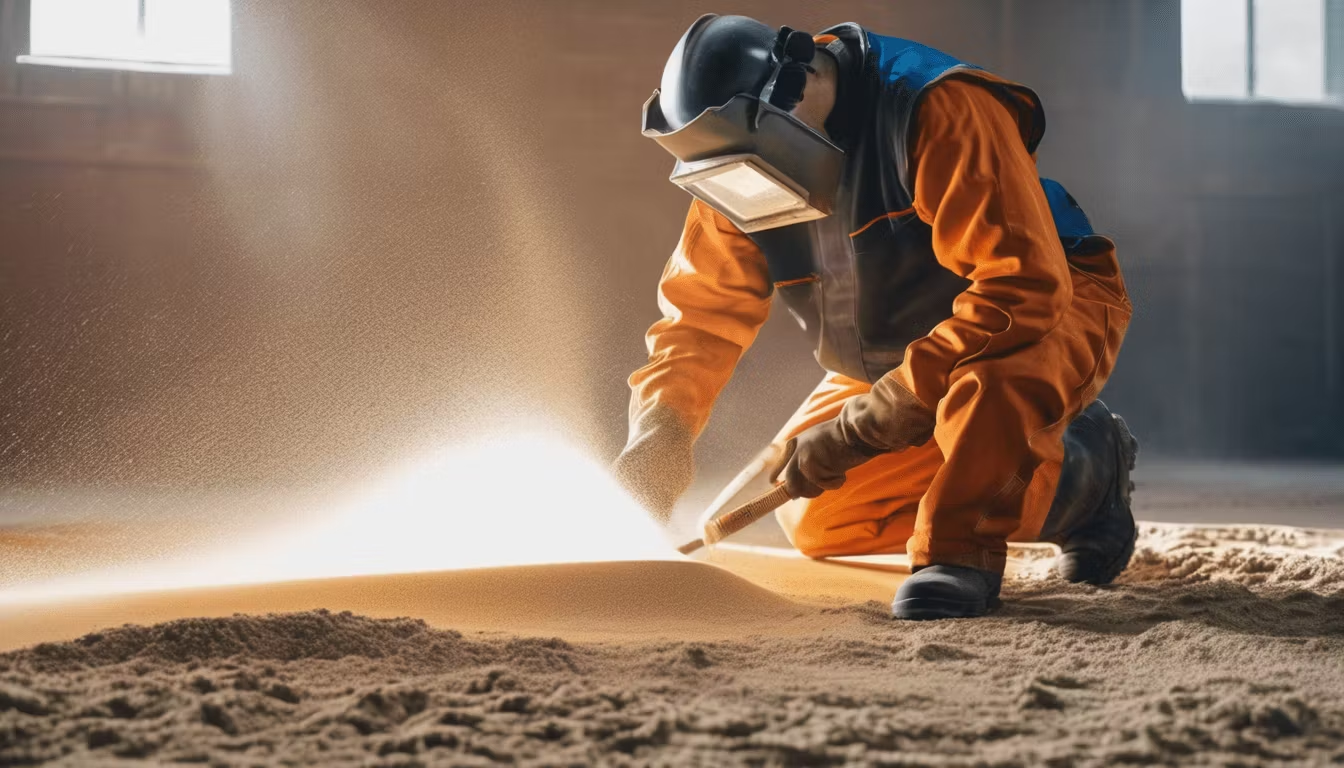
The global renewable energy revolution depends on millions of solar panels installed daily across rooftops, fields, and industrial installations. Yet few people realize that silica sand is one of the most critical materials enabling this clean energy transition. This unassuming mineral forms the backbone of photovoltaic (PV) manufacturing, transforming sunlight into electricity that powers homes and businesses worldwide.
As solar panel production accelerates to meet international climate commitments, manufacturers face mounting pressure to source high-quality, consistently-tested silica sand that meets strict photovoltaic specifications. Understanding the connection between silica sand quality and solar panel efficiency is essential for any B2B buyer in the renewable energy supply chain.
Why Silica Sand Matters in Solar Panel Production
The Role of Silica in Photovoltaic Cells
Silica sand, derived from silicon dioxide (SiO2), is the fundamental raw material for crystalline silicon solar cells—the technology used in over 95% of global solar panel installations. When refined to semiconductor-grade purity, silica undergoes metallurgical processing to become metallurgical-grade silicon, which is then further refined into solar-grade silicon for cell manufacturing.
The photovoltaic manufacturing process requires silica that meets exceptionally high purity standards. Impurities such as iron oxide, aluminum oxide, and other trace elements can significantly impact the electrical properties and efficiency of solar cells. Even microscopic contamination can reduce light-to-electricity conversion rates, making raw material quality a direct determinant of panel performance and manufacturer profitability.
Purity Requirements for Solar-Grade Applications
Solar panel manufacturers typically require silica sand with SiO2 content exceeding 99.5%, with iron content below 0.1% and minimal trace element contamination. These stringent specifications ensure that the silicon purification process yields maximum solar-grade material with minimal waste.
The processing journey from mined silica sand to solar-grade silicon involves multiple purification stages, including acid leaching, flotation, and thermal treatment. Starting with high-purity raw material significantly reduces processing costs and environmental impact while improving overall yield rates—a critical factor in competitive PV manufacturing.
Understanding Solar-Grade Silica Sand Specifications
Chemical Composition Requirements
Premium quartz sand for photovoltaic applications must meet strict chemical specifications:
Silicon Dioxide (SiO2): 99.5-99.8% minimum for optimal solar cell performance
Iron Oxide (Fe2O3): Less than 0.1% to prevent electrical losses
Aluminium Oxide (Al2O3): Typically below 0.3%
Titanium Dioxide (TiO2): Less than 0.05%
Other Trace Elements: Manganese, magnesium, and calcium must be individually controlled
These chemical parameters directly influence the energy conversion efficiency of finished solar modules. Manufacturers working with consistently-tested silica sand benefit from reduced sorting and reprocessing costs, translating to improved profit margins on high-volume production runs.
Physical Characteristics and Mesh Sizes
Beyond chemical purity, solar sand suppliers must deliver consistent particle size distribution. Most solar glass and cell manufacturing applications require 100-200 mesh (75-150 micron) grades, though specific requirements vary by production technology and end-use application.
Particle size consistency affects:
• Flow rates during processing
• Dissolution efficiency in acid purification stages
• Final product homogeneity
• Processing equipment wear and maintenance costs
Reliable suppliers maintain strict quality control protocols, including regular sieve analysis, moisture testing, and contamination screening to ensure batch-to-batch consistency that modern PV manufacturers demand.
The Solar Panel Manufacturing Value Chain
From Sand to Silicon to Solar Cells
The transformation from raw silica sand to functional solar panels involves several distinct manufacturing stages, each placing specific demands on raw material quality:
Stage 1: Silicon Purification
Silica sand undergoes chemical purification to remove iron and other impurities. The purity of starting material directly affects yield rates and processing efficiency. High-quality solar-grade silica reduces waste and chemical usage, improving unit economics.
Stage 2: Metallurgical Silicon Production
Purified silica is smelted with carbon in electric arc furnaces to produce metallurgical-grade silicon (MG-Si). Higher starting material purity reduces impurity carry-through and improves final silicon quality.
Stage 3: Solar-Grade Silicon Refinement
MG-Si undergoes further purification via chemical leaching and crystal growth to achieve solar-grade purity (99.9999% or higher). Premium feedstock reduces reprocessing requirements.
Stage 4: Wafer Production
Solar-grade silicon is melted and cast into ingots, then sawed into wafers—the base material for solar cells. Wafer quality depends on upstream material consistency.
Stage 5: Cell Manufacturing and Panel Assembly
Wafers are processed into photovoltaic cells and interconnected into modules. Final efficiency ratings depend on cumulative quality from raw materials through manufacturing.
How Material Quality Affects End-Product Performance
Solar panel manufacturers face intense pressure from customers demanding efficiency certifications and performance warranties. A single percentage point improvement in average module efficiency can represent millions of dollars in competitive advantage across high-volume production.
Starting with certified, SUCOFINDO-tested silica sand eliminates one major source of quality variation. This consistency allows manufacturers to optimize their purification and production processes with confidence, rather than constantly adjusting for material variables.
Global Solar Market Drivers and Silica Sand Demand
Renewable Energy Growth Projections
The International Energy Agency projects that solar capacity will triple by 2030, driven by:
• Government renewable energy mandates and subsidies
• Corporate net-zero commitments
• Declining PV module costs increasing adoption rates
• Energy independence concerns following geopolitical disruptions
• Growing electricity demand in emerging markets
This explosive growth directly translates to surging demand for high-quality silica sand and related materials in the solar manufacturing supply chain. Forward-thinking PV manufacturers are securing reliable raw material partnerships now to avoid future supply constraints.
Supply Chain Considerations for PV Manufacturers
Unlike some commodities with multiple sourcing options, solar-grade silica sand requires careful supplier vetting. Manufacturers must balance:
Quality Consistency: Reliable specifications prevent production disruptions and quality issues
Supply Reliability: Consistent availability supports manufacturing schedules and inventory management
Certification and Testing: Third-party lab verification (SUCOFINDO standards) provides quality assurance
Pricing Stability: Long-term partnerships offer cost predictability versus spot market volatility
Regulatory Compliance: Proper licensing (IUP OPK) and documentation ensure uninterrupted supply chains
Sourcing directly from licensed producers rather than middlemen reduces costs while improving supply reliability—critical advantages in competitive PV manufacturing.
Indonesia's Advantage in Solar Silica Sand Production
Geographic and Geological Factors
Indonesia possesses exceptional natural advantages for silica sand production. The archipelago's geological formations, particularly in Sulawesi, Kalimantan, and Maluku regions, contain naturally high-purity silica deposits. These areas benefit from:
• Abundant, high-grade silica reserves
• Developed mining infrastructure
• Established processing and testing facilities
• Strategic geographic position for Asian PV manufacturing hubs
• Mature logistics networks to major solar manufacturing centers
Indonesian producers with proper licensing and quality certifications offer global solar manufacturers reliable access to premium raw materials without the geopolitical risks associated with over-reliance on single-source countries.
Quality Standards and Certifications
Reputable Indonesian silica sand suppliers maintain rigorous quality control frameworks. Premium producers implement:
• Independent SUCOFINDO laboratory testing on each production batch
• IUP OPK mineral extraction licenses ensuring legal, responsible sourcing
• RKAB (Rencana Kerja dan Anggaran Biaya) environmental and operational approvals
• Systematic quality documentation and traceability
• Consistent supply contracts from 100 MT trial shipments to multi-million-ton annual agreements
These certifications and testing protocols provide PV manufacturers with the quality assurance and supply chain transparency required for mission-critical manufacturing operations.
Sourcing Strategy: Finding the Right Silica Sand Supplier
Key Selection Criteria
When evaluating silica sand suppliers for solar applications, B2B buyers should prioritize:
1. Laboratory Testing and Certification
Verify that suppliers conduct independent third-party testing. Request recent batch analysis reports documenting SiO2 content, iron oxide levels, and trace element concentrations. SUCOFINDO certifications provide internationally-recognized quality validation.
2. Legal and Regulatory Compliance
Confirm active IUP OPK licenses for mineral trading and extraction. Verify proper environmental approvals and operational permits. Compliance documentation protects your supply chain from regulatory disruption.
3. Production Capacity and Supply Reliability
Assess supplier capacity relative to your requirements. Can they guarantee consistent supply across seasonal variations? Do they maintain inventory reserves to handle demand fluctuations? What are their commitments for delivery schedules?
4. Quality Consistency Records
Request historical test data demonstrating batch-to-batch consistency. Suppliers with stable quality metrics reduce your processing variables and improve manufacturing efficiency.
5. Flexibility and Customer Service
Look for suppliers offering flexible contract terms, from trial shipments to long-term agreements. Responsive communication and willingness to accommodate specific technical requirements indicate customer-focused operations.
Direct Sourcing Benefits
Sourcing silica sand directly from producers rather than trading intermediaries offers multiple advantages for PV manufacturers:
• Cost Advantage: Eliminating middlemen reduces per-unit pricing
• Quality Control: Direct relationships enable closer monitoring of material specifications
• Supply Transparency: Direct sourcing provides complete chain-of-custody documentation
• Relationship Stability: Long-term producer partnerships ensure priority access during supply constraints
• Technical Collaboration: Producers can address specific technical requirements and provide process support
Technical Specifications: What PV Manufacturers Should Know
Mesh Size Selection for Different Applications
Different stages of solar manufacturing require different silica sand grades:
Fine Mesh (200-400): Used for specialized glass applications and high-precision purification processes
Medium Mesh (100-200): Standard grade for most silica purification and smelting operations
Coarse Mesh (40-100): Applications requiring faster settling rates in processing tanks
Mixed Grades: Custom blends optimized for specific customer processing equipment and requirements
Reputable suppliers offer multiple mesh options and can provide custom sizing to match your specific processing equipment and efficiency targets.
Moisture Content and Storage Considerations
Silica sand moisture content affects downstream processing and must be carefully managed. Low moisture content (typically below 2%) ensures:
• Consistent flowability through processing equipment
• Reduced corrosion in handling systems
• Improved handling and storage characteristics
• Reduced processing time in purification stages
Proper storage conditions—protected from excessive moisture and contamination—maintain material quality throughout the supply chain.
Cost Considerations and Economic Impact
Raw Material Costs in Solar Manufacturing
While silica sand represents a relatively small percentage of final panel cost, its quality directly impacts overall manufacturing economics. Premium, tested silica sand commands price premiums offset by:
• Reduced waste and reprocessing costs
• Higher purification yields
• Lower chemical consumption in refinement stages
• Fewer production interruptions from material issues
• Improved final product efficiency ratings
Forward-thinking manufacturers view quality raw material investment as economically justified by improved bottom-line results across large production volumes.
Supply Chain Risk Management
Securing reliable silica sand supplies protects against manufacturing disruptions. Multi-year supply agreements with certified producers provide:
• Price certainty reducing budget volatility
• Supply security protecting production schedules
• Quality consistency enabling process optimization
• Relationship capital during market stress periods
The Future of Solar Manufacturing and Silica Sand Demand
Emerging Technologies and Material Requirements
As solar technology evolves, silica sand requirements may shift. Emerging applications include:
• Perovskite-Silicon Tandem Cells: Next-generation designs promising higher efficiency may create new material specifications
• Bifacial Modules: Advanced designs increasing penetration require consistent base material quality
• Building-Integrated PV (BIPV): Specialized applications in construction materials create niche sourcing opportunities
Maintaining relationships with adaptable suppliers positions manufacturers to address future technical requirements efficiently.
Sustainability and Responsible Sourcing
Global pressure for sustainable, ethically-sourced materials extends to silica sand. Conscious manufacturers increasingly prioritize suppliers demonstrating:
• Environmental responsibility in extraction and processing
• Proper regulatory licensing and compliance
• Community engagement and social responsibility
• Transparent supply chain documentation
Indonesian producers with proper IUP OPK licensing and environmental approvals align with international sustainability expectations.
Conclusion: Building Your Solar Supply Chain Partnership
The explosive growth of solar energy creates unprecedented opportunities for manufacturers and suppliers throughout the value chain. Success requires securing reliable sources of high-quality raw materials, beginning with premium silica sand that meets demanding photovoltaic specifications.
Whether you're establishing new solar manufacturing operations or optimizing existing supply chains, the right silica sand supplier becomes a strategic partner in your success. Look for producers combining:
• Consistent, independently-verified quality
• Reliable supply capacity and logistics
• Proper licensing and regulatory compliance
• Customer-focused flexibility and technical support
• Direct sourcing advantages eliminating unnecessary middlemen
CV Indoalam Mineral Persada represents the next generation of Indonesian mineral suppliers, combining abundant high-grade silica resources with modern quality standards, proper licensing, and customer-focused partnerships. With SUCOFINDO-tested silica sand production reaching 2.5 million metric tons annually, Indoalam provides the scale, quality consistency, and supply reliability that competitive PV manufacturers demand.
Whether you require trial shipments to evaluate material performance or long-term supply contracts supporting expanded production, Indoalam's flexible approach accommodates manufacturers at every scale. Our IUP OPK licensing, SUCOFINDO testing protocols, and direct-from-source model eliminate supply chain uncertainty while improving material costs and quality outcomes.
The renewable energy transition depends on consistent supply of premium raw materials. Contact us today to discuss how Indoalam's silica sand solutions can strengthen your solar manufacturing operations and support your growth in the thriving global PV market.