Silica Sand for Sandblasting: Complete Guide to Grades & Safety
Introduction: Why Silica Sand Remains the Industry Standard for Sandblasting
Silica sand has been the backbone of industrial surface preparation for decades. Whether you're preparing steel structures for coating, removing rust from machinery, or cleaning surfaces before fabrication, silica sand delivers consistent, reliable results that few abrasive media can match. Its hardness, angular particles, and cost-effectiveness make it the go-to choice for foundries, fabricators, and industrial contractors across Southeast Asia.
However, the sandblasting industry faces evolving challenges: stricter occupational health regulations, environmental concerns, and the need for precise particle grading to meet specific application requirements. Understanding the nuances of silica sand selection, safety protocols, and best practices is essential for B2B buyers seeking to optimize their operations and protect their workforce.
This comprehensive guide explores silica sand for sandblasting, covering everything from grade specifications to safety considerations, helping you make informed procurement decisions for your industrial operations.
Understanding Silica Sand: Composition and Properties
What Makes Silica Sand Ideal for Abrasive Blasting?
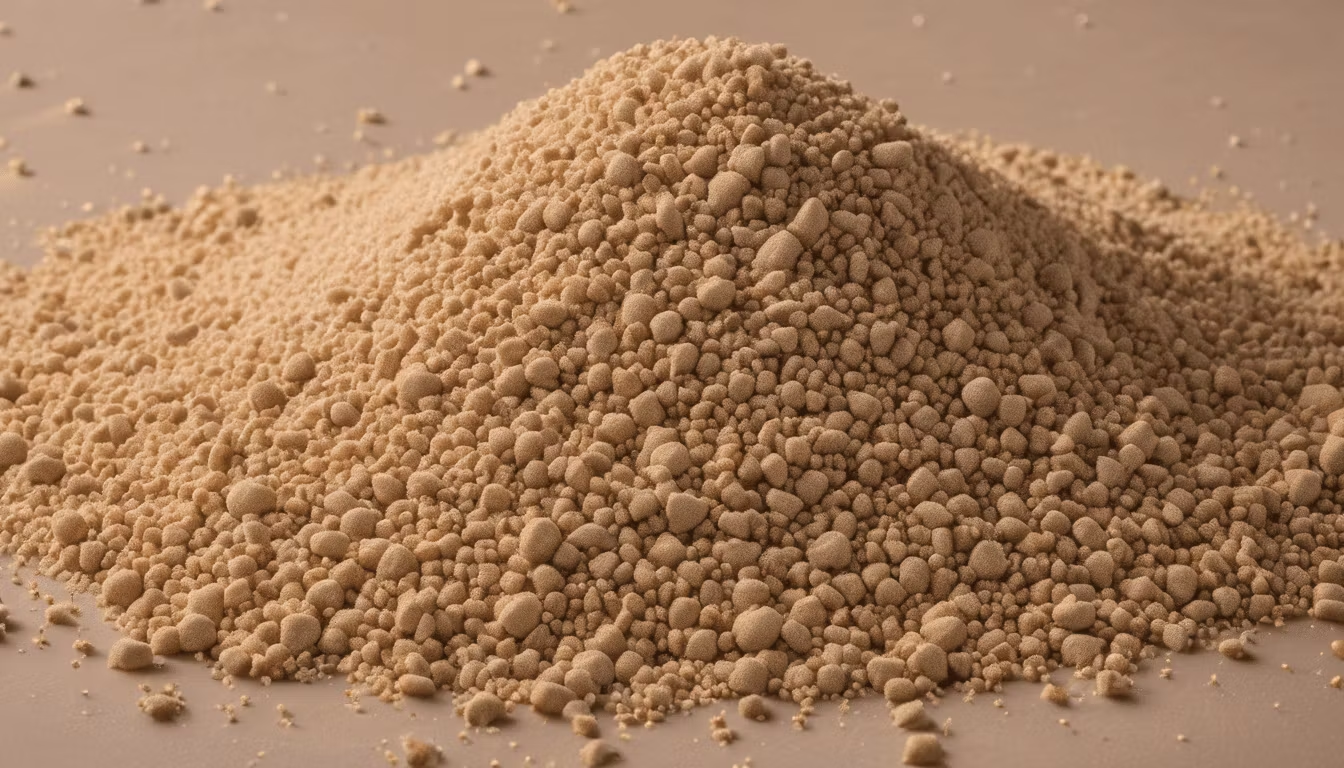
Silica sand (SiO₂) is a crystalline mineral with exceptional hardness, ranking 7 on the Mohs hardness scale. This hardness enables it to cut through oxide layers, rust, and surface contaminants efficiently. The angular, jagged particle structure—unlike rounded particles—creates sharp cutting edges that maximize abrasive action with minimal material waste.
CV Indoalam Mineral Persada supplies high-purity silica sand with SiO₂ content reaching 99.74%, meeting international industrial standards. This purity level ensures consistent performance, predictable wear rates, and superior surface finish quality across high-volume blasting operations.
Chemical Composition and Physical Characteristics
Premium industrial silica sand comprises primarily silicon dioxide (SiO₂), with trace iron oxide and alumina content. The purity directly impacts:
- Cutting efficiency: Higher SiO₂ content translates to sharper particles and faster material removal
- Dust generation: Purer sand produces less friable dust, reducing respiratory hazards
- Equipment longevity: Consistent particle structure minimizes turbine erosion in blast equipment
- Surface quality: Uniform composition delivers uniform surface finishes, critical for coating adhesion
Silica Sand Grades for Sandblasting: A Technical Breakdown
Understanding Mesh Sizes and Their Applications
Silica sand for sandblasting is classified by particle size, measured in mesh grades. Each grade serves specific applications, and selecting the wrong grade can compromise results or waste material. Indoalam supplies multiple mesh grades ranging from 8 to 200 mesh, enabling customers to match particle size precisely to their blasting needs.
| Mesh Grade | Particle Size (μm) | Primary Applications |
| 8-12 Mesh | 1400-2000 | Heavy rust removal, structural steel cleaning, foundry mold preparation |
| 20-40 Mesh | 420-840 | General purpose abrasive blasting, paint removal, equipment restoration |
| 60-120 Mesh | 125-250 | Fine surface preparation, precision manufacturing, aerospace components |
| 150-200 Mesh | 75-150 | Ultra-fine finishing, delicate surfaces, optical applications |
Selecting the Right Grade for Your Operation
Choosing appropriate abrasive blasting sand grade depends on several factors:
- Substrate material: Softer metals require finer grades; structural steel tolerates coarser grades
- Contamination level: Heavy rust and mill scale benefit from 8-20 mesh; light oxidation uses 40-80 mesh
- Required surface finish: Coating preparation demands uniform, moderate grades (40-60 mesh); heavy removal prioritizes speed over finish quality
- Equipment type: Pressure blast systems handle coarser grades; suction systems perform better with fine to medium grades
- Production volume: High-volume operations may cycle coarser grades for efficiency, then fine-tune with secondary finishing passes
Safety Protocols and Health Considerations in Sandblasting
Silica Dust and Occupational Health Risks
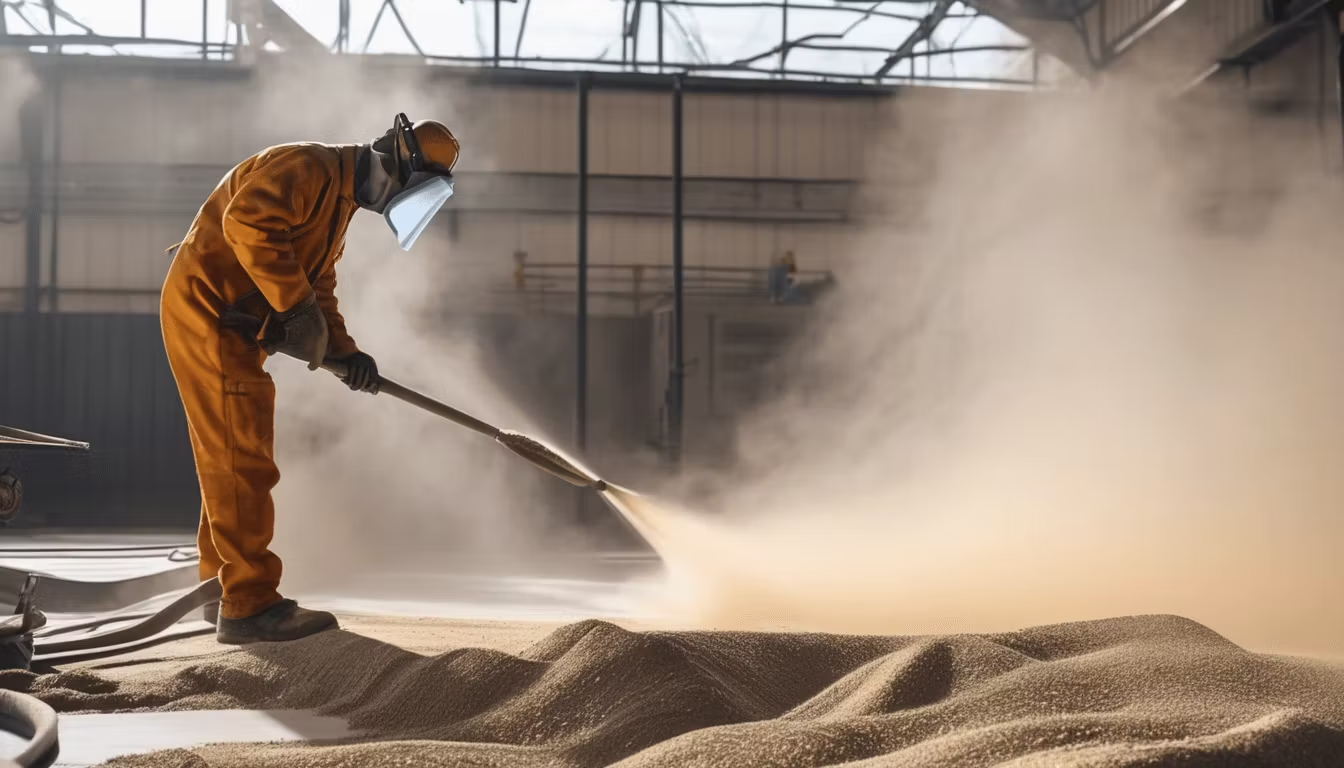
Silica sand sandblasting presents significant respiratory hazards. Prolonged inhalation of fine silica particles (respirable crystalline silica, RCS) can cause silicosis, a progressive lung disease with no cure. Regulatory bodies worldwide—including OSHA in the United States and equivalent Indonesian labor authorities—have implemented strict exposure limits.
Key regulatory thresholds:
- OSHA Permissible Exposure Limit (PEL): 50 μg/m³ over 8-hour workday
- WHO recommendation: <5 μg/m³ for respirable dust
- Many countries moving toward 5 μg/m³ or lower in updated standards
Essential Safety Measures for Sandblasting Operations
Engineering Controls (Primary Defense):
- Enclosed blast cabinets: Contain dust within the work chamber; most effective for precision work
- Wet blasting systems: Suppress dust by applying water, reducing airborne particle concentration by 90%+
- Ventilation systems: Local exhaust ventilation captures dust at the source; HEPA-filtered systems prevent environmental release
- Dust collection equipment: Baghouse or cartridge collectors with proper maintenance ensure system efficiency
Administrative and Personal Protective Equipment (PPE):
- Respiratory protection: Supplied-air respirators (SAR) or powered air-purifying respirators (PAPR) rated for crystalline silica
- Protective clothing: Disposable coveralls prevent contamination of regular clothing; isolation of work areas protects nearby workers
- Training programs: Comprehensive worker education on silica hazards, proper equipment use, and hygiene protocols
- Medical surveillance: Baseline and periodic chest X-rays for workers with significant exposure history
- Exposure monitoring: Regular air sampling to verify controls maintain exposure below regulatory limits
Alternatives to Traditional Silica Sand
While silica sand remains cost-effective and widely available, some operations utilize alternatives to minimize health risks:
- Steel grit/shot: Recyclable, produces less dust, suitable for heavy-duty applications
- Aluminum oxide: Sharper cutting action, faster results, generates less friable dust
- Garnet: Non-toxic, environmentally friendly, premium pricing but superior dust profile
Best Practices for Effective Sandblasting Operations
Pre-Blasting Preparation
Material storage and handling: Store silica sand in dry conditions to prevent moisture absorption, which degrades cutting efficiency and increases dust clumping. Implement first-in-first-out inventory rotation, particularly in humid tropical climates like Indonesia where moisture penetration accelerates.
Material inspection: Verify particle size distribution matches specifications before blasting. Contamination with fines (clay, silt) reduces effectiveness and increases respiratory hazards. Trusted suppliers like CV Indoalam provide SUCOFINDO laboratory-tested material, ensuring consistent quality from batch to batch.
Equipment Optimization
Blast pressure and flow rate: Calibrate equipment to optimal settings—typically 80-100 PSI for precision work, 120+ PSI for heavy rust removal. Higher pressure increases material consumption and dust generation without proportional benefits; proper calibration maximizes efficiency.
Nozzle selection and maintenance: Tungsten carbide and ceramic nozzles withstand abrasive erosion better than steel. Regular nozzle replacement prevents degraded blasting patterns and inefficient material usage.
Recycling systems: Closed-loop blasting systems recover spent sand, extending material life 10-15 times. This dramatically reduces sand consumption, equipment wear, and dust emissions—critical for environmentally conscious operations in Indonesia.
Quality Control and Documentation
Maintain detailed logs of:
- Sand batch identification and test certificates
- Equipment operating parameters (pressure, flow rate, nozzle type)
- Surface preparation results (visual inspection ratings, surface profile measurements)
- Worker exposure monitoring data
- Equipment maintenance schedules
This documentation protects against liability claims, enables process optimization, and demonstrates regulatory compliance during audits.
CV Indoalam Mineral Persada: Your Reliable Silica Sand Supplier
Quality Assurance and Compliance
CV Indoalam Mineral Persada operates under full IUP OPK licensing for mineral and non-mineral extraction, with RKAB approval and SUCOFINDO laboratory testing. Every batch of silica sand meets stringent quality standards: SiO₂ content of 99.74%, consistent particle size distribution, and documented material properties.
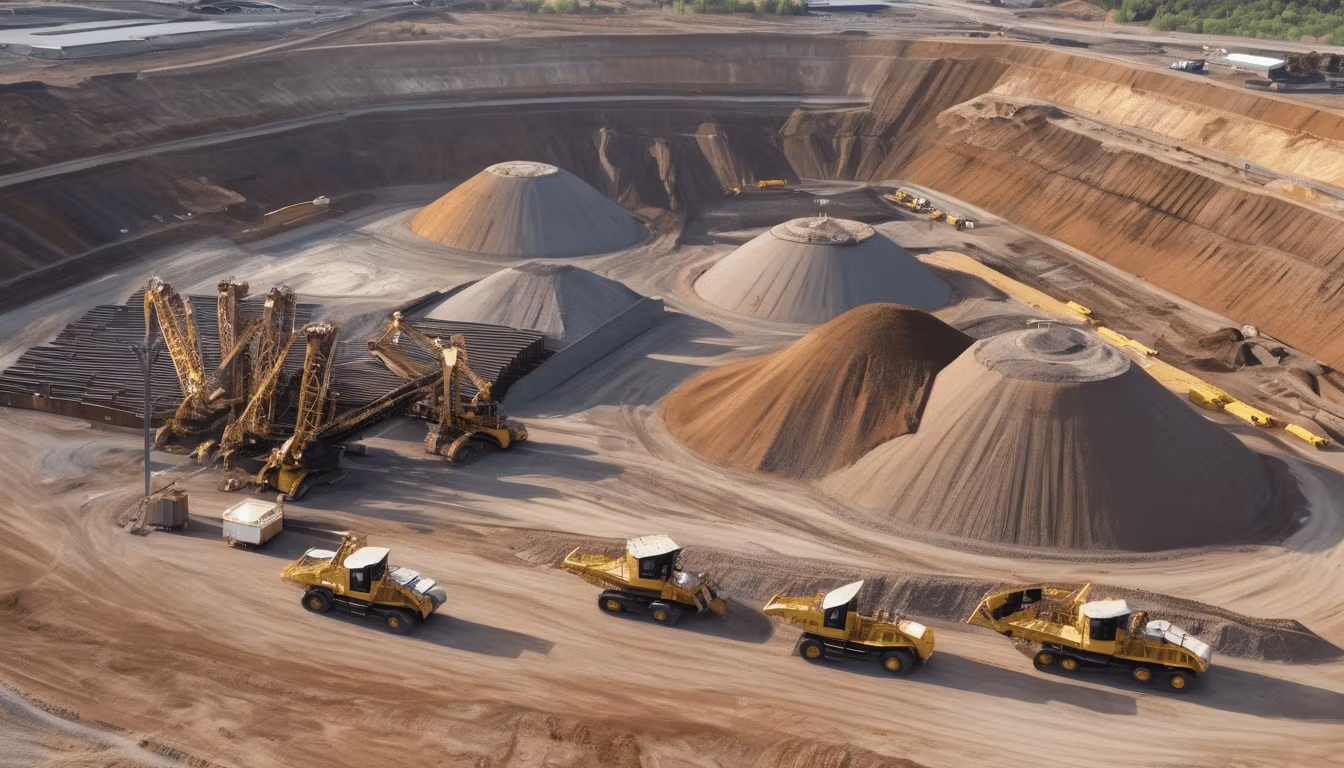
Our sourcing regions in Sulawesi (Morowali, Konawe), Kalimantan, and Maluku (Halmahera) provide access to premium silica reserves. Direct-from-mine operations eliminate middlemen, ensuring you receive material at optimal cost with full traceability and quality documentation.
Flexible Supply Solutions
With annual capacity reaching 2.5 million metric tons, Indoalam accommodates operations ranging from small 100 MT trials to long-term supply contracts exceeding 1M MT annually. Our flexibility enables:
- Pilot projects to test material performance before large commitments
- Seasonal demand adjustments without contract penalties
- Custom mesh grade blending for specialized applications
- Consistent availability for just-in-time manufacturing environments
Industry Applications We Serve
Beyond sandblasting, silica sand from Indoalam serves diverse industrial sectors:
- Foundries and metal casters: Mold and core making, surface preparation
- Glass manufacturers: Float glass production, glassware manufacturing, solar panel substrates
- Ceramics and tile producers: Raw material component, coating substrates
- Water treatment facilities: Filtration media for municipal and industrial water purification
- Construction materials: Concrete additives, road base material, fill applications
Procurement Considerations: Cost-Benefit Analysis
Total Cost of Ownership
While unit price matters, savvy B2B buyers evaluate total cost of ownership across the material lifecycle:
- Material cost: High-purity silica sand costs less per ton than alternatives but may require different handling
- Equipment compatibility: Ensure existing blast equipment tolerates specified mesh grades; retrofitting incurs additional expense
- Blasting efficiency: Superior material quality (99.74% SiO₂) delivers faster cutting, reducing labor hours and compressed air consumption
- Recycling potential: Silica sand in closed-loop systems provides 10-15 recycles, extending material life significantly
- Environmental compliance: Proper dust control and material disposal prevent regulatory violations, fines, and operational shutdowns
- Workforce health: Investments in safety protocols and respiratory protection reduce workers' compensation claims, absenteeism, and liability exposure
Conclusion: Strategic Selection of Silica Sand for Sandblasting
Silica sand remains the industrial standard for surface preparation because of its hardness, cost-effectiveness, and proven performance across countless applications. However, successful sandblasting operations demand more than material purchase—they require strategic selection based on grade specifications, rigorous safety protocols, and partnership with reliable suppliers.
CV Indoalam Mineral Persada provides premium silica sand with 99.74% SiO₂ purity, flexible supply options from 100 MT trials to 2.5M MT annually, and full regulatory compliance through IUP OPK licensing and SUCOFINDO laboratory testing. Whether you operate a small precision blasting shop or manage high-volume industrial operations, Indoalam's diverse mesh grades and direct-from-mine sourcing deliver consistent quality and competitive pricing.
For detailed specifications, sample requests, or long-term supply discussions, contact us directly. Our team understands the unique requirements of sandblasting operations and stands ready to support your surface preparation success.
Experience the difference that direct sourcing, quality assurance, and industry expertise make in your sandblasting operations. Partner with CV Indoalam Mineral Persada today.