Silica Sand Deposit Geology: Formation of Indonesian Deposits
Silica Sand Deposit Geology: How Indonesian Deposits Were Formed
Indonesia's silica sand deposits represent some of the most significant mineral resources in Southeast Asia, shaped by millions of years of geological processes. Understanding the formation of these deposits—their origins, geological characteristics, and distribution—is essential for mining professionals, industrial buyers, and commodity traders seeking reliable supply sources. This comprehensive guide explores the silica sand geology underlying Indonesia's major producing regions and explains why these deposits maintain exceptional quality standards that meet international industrial specifications.
Understanding Silica Sand: The Basics of Quartz Geology
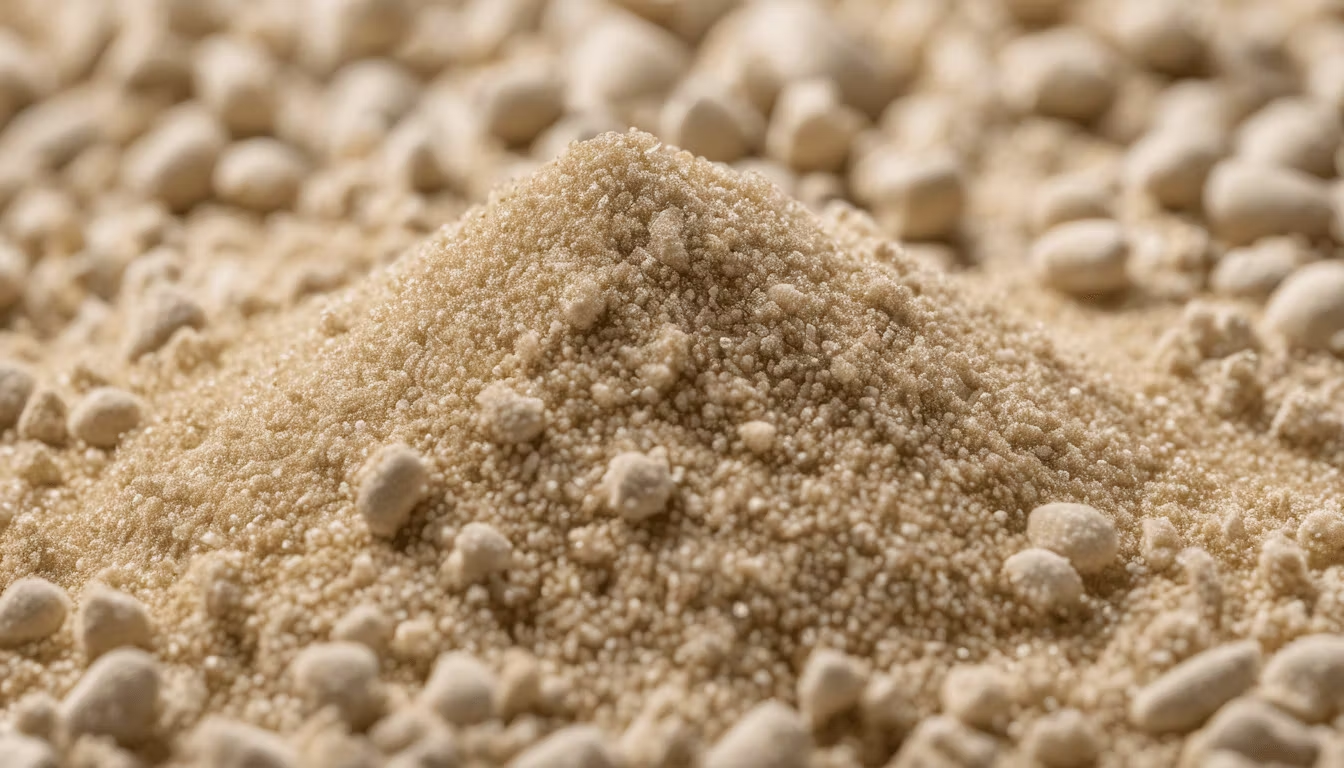
Silica sand, chemically composed of silicon dioxide (SiO2), is one of the most abundant minerals on Earth. In geological terms, silica sand deposits form through the accumulation and consolidation of quartz crystals derived from various parent rocks. The purity and grain characteristics of silica sand depend entirely on its depositional history and the geological processes that concentrated quartz minerals while removing other rock-forming materials.
Quartz, the primary mineral in silica sand, is highly resistant to weathering and chemical alteration. This physical and chemical durability is crucial—it means that as parent rocks break down over geological time, quartz grains survive while other minerals dissolve or decompose. This natural selection process concentrates silica, creating deposits that can achieve purities exceeding 99% SiO2, as seen in premium-grade silica sand from Indonesia's leading sources.
The Indonesian Geological Setting: Tectonic Context and Mineral Formation
Indonesia's geological framework is dominated by intense tectonic activity along the Pacific Ring of Fire, where the Indo-Australian Plate subducts beneath the Eurasian Plate. This dynamic setting created diverse geological environments—from volcanic arcs to stable continental shelves—each contributing to silica sand deposit formation through distinct mechanisms.
The archipelago's mineral wealth, including extensive quartz sand deposits, stems from this complex tectonic history. Multiple geological periods witnessed different depositional environments: from ancient deltaic systems to modern coastal plains. Each environment preserved silica-rich sediments under conditions that either protected them from contamination or allowed diagenesis (lithification) processes to create commercially valuable deposits.
Sulawesi and Kalimantan: Primary Silica Deposit Regions
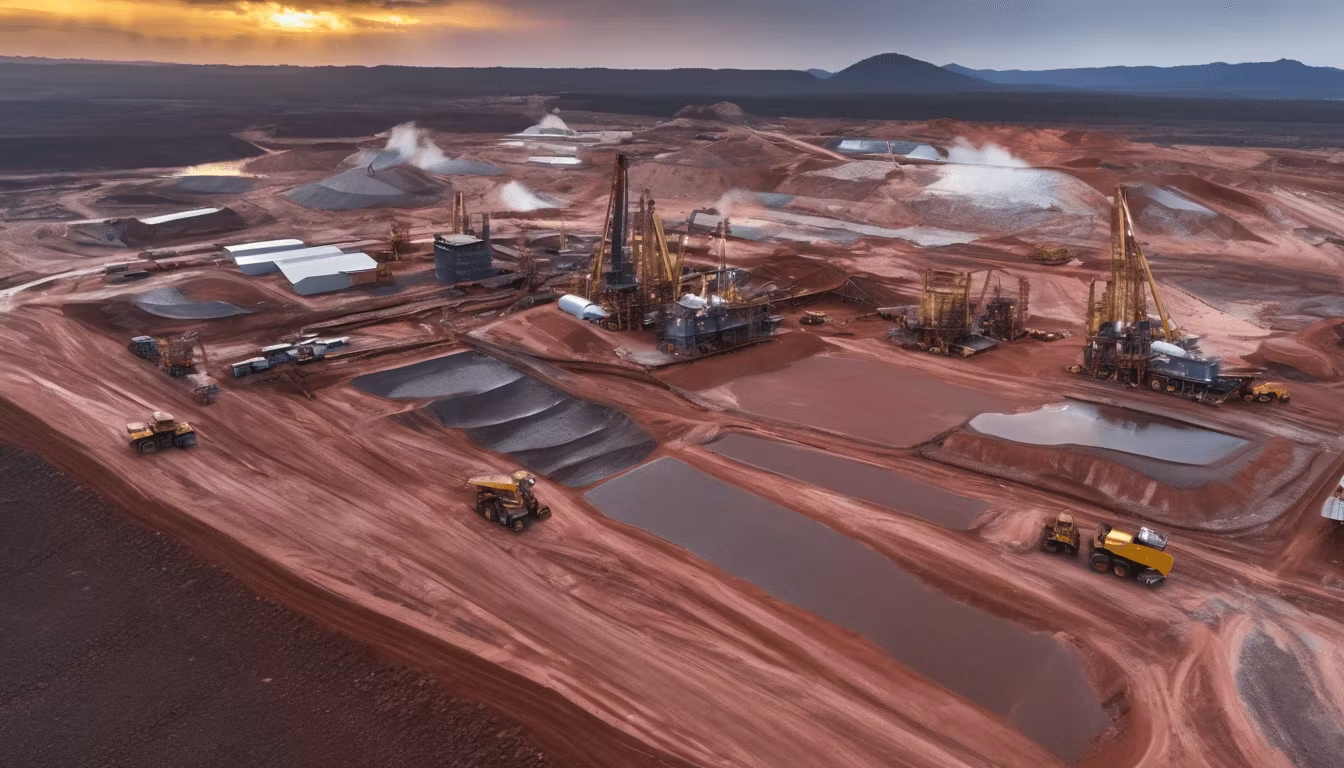
Sulawesi, particularly the Morowali and Konawe regions, hosts significant silica sand deposits formed through fluvial (river) and deltaic processes. During periods of higher sea levels and tropical weathering, ancient rivers transported enormous quantities of quartz-rich sediments from highland source areas into coastal and deltaic environments. These sediments accumulated in thick sequences, buried under younger deposits, and underwent compaction and diagenesis over millions of years.
Kalimantan's silica deposits formed through similar mechanisms, with the island's extensive river systems—including the Kapuas, Kahayan, and Rungan rivers—serving as major sediment transport corridors. The tropical climate accelerated weathering of granitic and metamorphic rocks in highland areas, liberating quartz grains that accumulated in downstream depositional basins.
Maluku, including Halmahera, represents another significant deposit region where silica sand formed in coastal and shallow marine environments. The interplay between volcanic activity (contributing ash and pumice) and silica-rich sediments created stratigraphic sequences of varying compositions, with premium silica deposits concentrated in specific intervals.
Mechanisms of Silica Sand Deposit Formation
Weathering and Source Rock Contribution
The initial stage of silica sand formation begins with weathering of parent rocks in tropical Indonesian highlands. Granites, granodiorites, and metamorphic rocks rich in feldspar and quartz undergo chemical weathering in the warm, humid tropical climate. While feldspars and other minerals break down into clay minerals and soluble compounds, quartz grains—being chemically inert—remain intact and accumulate as coarse detritus.
Tropical weathering is particularly effective at producing high-purity silica deposits because intense rainfall and warm temperatures accelerate feldspar alteration. Laterite weathering profiles develop, where quartz grains accumulate in upper layers while iron and aluminum oxides concentrate in lower layers. This natural sorting contributes to deposit purity.
Fluvial Transport and Depositional Processes
Indonesian river systems transport weathered quartz grains from highlands to lowlands and coastal areas. As rivers slow upon reaching deltaic and coastal environments, hydraulic sorting occurs—coarser quartz grains settle preferentially over finer clay minerals. This mechanical separation concentrates silica sand while excluding contaminants.
Multiple flood cycles and seasonal variations in river discharge create repetitive layers of silica-rich sand interbedded with finer silts and clays. Over geological time, these alternating deposits build thick sand sequences hundreds of meters thick. The purity of individual sand layers varies, but quarrying operations can selectively extract the highest-purity intervals.
Diagenesis and Lithification
After deposition, silica sand undergoes diagenesis—the process of burial, compaction, and cementation that transforms loose sediment into consolidated rock (sandstone). In Indonesian deposits, diagenesis typically involves:
- Mechanical Compaction: Weight of overlying sediments compresses sand, reducing porosity and increasing density
- Chemical Cementation: Silica cement precipitates from pore fluids, bonding quartz grains. Secondary silica can derive from pressure dissolution of grain contacts or from external sources
- Clay Mineral Authigenesis: Clay minerals form in pore spaces, potentially reducing silica purity if not selectively removed during mining
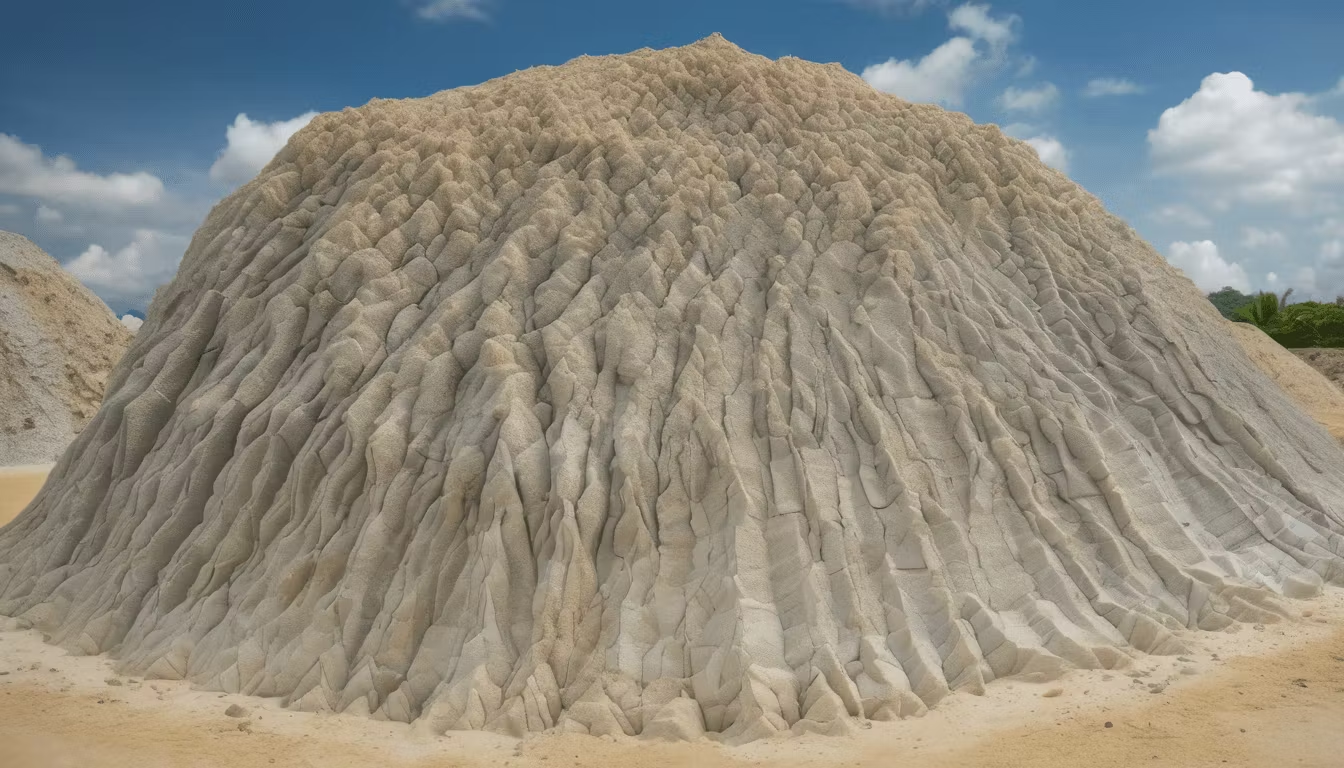
The degree of diagenesis varies across Indonesian deposits. Some deposits remain weakly consolidated, allowing simple mining and washing to recover high-purity sand. Others are strongly cemented, requiring crushing and more intensive processing—reflecting their distinct burial and thermal histories.
Depositional Environments: Ancient to Modern
Deltaic Deposits of the Miocene and Pliocene
Major silica sand deposits in Sulawesi and Kalimantan formed during the Miocene to Pliocene epochs (23-2.6 million years ago) when Indonesia's geography differed significantly from today. Extensive deltaic systems developed along continental margins. River systems, larger and more powerful than modern equivalents under different climate conditions, transported vast quantities of silica-rich sediments into these deltas.
Deltaic deposits show characteristic layering: coarser sands in proximal (near-river) environments grade into finer silts and clays in distal (deeper water) settings. High-quality silica sand deposits concentrate in proximal and middle delta environments where energy levels remained high enough to exclude clay minerals effectively.
Coastal Plain and Beach Deposits
Holocene coastal plains (formed in the last 10,000 years) host younger silica sand deposits. These deposits formed through wave and current reworking of fluvial sediments, creating well-sorted sand sheets along ancient and modern shorelines. Beach ridges and coastal dunes preserve excellent silica sand deposits, though these represent only small-scale resources compared to ancient subsurface deposits.
Shallow Marine and Shelf Environments
Some of Indonesia's silica deposits formed in shallow marine settings where silica-rich fluvial sediments entered coastal waters. Reworking by waves and marine currents further improved grain sorting and removed clay contamination. These deposits often show mixed fluvial-marine characteristics—evidence of complex depositional histories involving multiple sea-level changes.
Quality Characteristics: How Geology Determines Grade
The geological formation process directly determines silica sand deposit quality. Premium Indonesian deposits achieving 99.74% SiO2 purity reflect specific geological conditions:
- Intense Chemical Weathering: Removed all unstable minerals before transport, leaving nearly pure quartz
- Vigorous Fluvial Sorting: Separated fine clay and silt from coarser quartz grains during transport and deposition
- Minimal Clay Diagenesis: Limited post-depositional clay mineral formation in pore spaces
- Selective Quarrying: Extraction of the highest-purity intervals within stratigraphic sequences
Grain size distribution—another critical quality parameter—also reflects depositional history. Deposits with well-sorted grain sizes typically formed in higher-energy deltaic or beach environments, while poorly-sorted deposits indicate lower-energy or mixed-process formation. Glass manufacturers and foundries requiring specific mesh grades benefit from deposits with consistent size distributions.
Industrial Applications Enabled by Geological Quality
Understanding silica sand deposit geology illuminates why Indonesian material meets rigorous international specifications for demanding applications:
- Float Glass Production: Requires SiO2 >99.5% and specific iron oxide limitations—achievable only from geologically favorable deposits formed under intense weathering and sorting conditions
- Solar Panel Manufacturing: Demands ultra-high purity silica sand for glass substrates
- Ceramics and Refractory Materials: Benefit from deposits with consistent grain sizes and minimal impurities
- Foundry Applications: Require stable grain size distributions and low clay content
- Water Treatment: Uses silica sand media formed in clean depositional environments minimizing organic contamination
These demanding specifications explain why geological sourcing matters. Not all silica sand deposits achieve industrial-grade purity; only those with appropriate formation history and careful extraction meet premium standards. CV Indoalam Mineral Persada's sourcing strategy prioritizes geologically favorable deposits in Sulawesi, Kalimantan, and Maluku, ensuring consistent supply of SUCOFINDO-tested material meeting international specifications.
Exploring Related Mineral Resources in Indonesia
Indonesia's complex geology produces numerous valuable minerals beyond silica sand. The same tectonic and weathering processes generating silica deposits also concentrate nickel ore, particularly laterite deposits in Sulawesi and Maluku. Understanding Indonesia's broader mineral geology provides context for understanding why the archipelago hosts world-class deposits across multiple commodity types.
Similarly, zircon sand deposits form through geological processes partially overlapping with silica sand formation, particularly in coastal environments where heavy minerals concentrate. Zircon's greater density causes preferential settling in specific depositional environments, creating economically viable concentrations.
Quality Assurance and Geological Sourcing
Professional mining companies recognize that deposit geology directly affects product reliability. CV Indoalam's IUP OPK licensing and RKAB approval reflect rigorous geological assessment and mine planning based on deposit geology. SUCOFINDO laboratory testing verifies that material actually matches geological expectations—confirming that SiO2 content, grain size distribution, and trace element concentrations align with specifications derived from geological understanding.
This geological foundation ensures that buyers receive consistent quality from 100 MT trial shipments through full-scale 2.5M MT/year contracts. Geological knowledge prevents surprises; deposits with well-understood formation histories and stratigraphic mapping deliver predictable quality.
Conclusion: Geology as Foundation for Reliable Supply
Indonesian silica sand deposits represent remarkable geological achievements—the product of millions of years of weathering, transport, deposition, and diagenesis. The exceptional purity and consistency of premium deposits from Sulawesi, Kalimantan, and Maluku reflect specific favorable geological conditions found only in carefully selected source areas.
For industrial buyers, understanding this geological foundation provides assurance that sourcing from proven deposits guarantees reliable supply of material meeting international standards. Geological knowledge separates premium suppliers from commodity traders unable to ensure consistent quality.
CV Indoalam Mineral Persada's expertise extends beyond simple trading—our team understands the geology underlying our silica sand supply chain, enabling us to guarantee quality and consistency that industrial operations depend upon. Whether you require silica sand for float glass, ceramics, foundry, or other applications, our geological sourcing strategy ensures access to material formed in optimal depositional environments.
Ready to source premium silica sand backed by geological expertise and rigorous testing? Contact CV Indoalam Mineral Persada today to discuss your specific grade and volume requirements. Our team can provide detailed sourcing information, quality certifications, and flexible contract terms tailored to your operations.