Nickel Ore Moisture Content & Pricing: Complete Guide
Understanding Nickel Ore Moisture Content and Its Impact on Pricing
Nickel ore pricing is one of the most complex aspects of B2B mining procurement, and moisture content stands as one of the primary factors influencing final costs. Whether you're a smelter operator, industrial buyer, or commodity trader, understanding how nickel ore moisture affects both pricing structures and quality parameters is critical to optimizing your sourcing strategy.
In this comprehensive guide, we'll explore the relationship between ore moisture, wet metric tons, and pricing mechanisms—knowledge that can directly impact your operational costs and profitability.
What Is Nickel Ore Moisture Content?
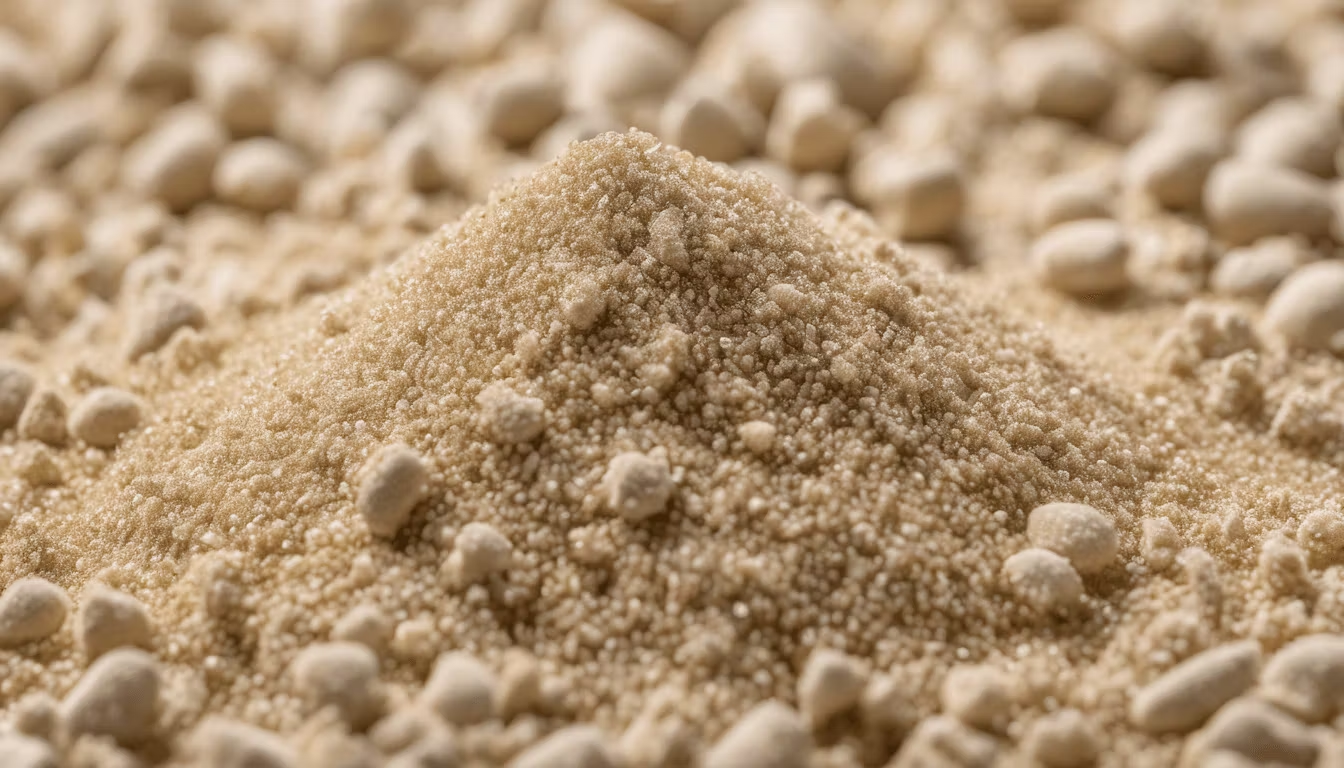
Nickel ore moisture content refers to the water present in freshly mined ore, expressed as a percentage of total weight. This water exists in two forms:
- Surface moisture: Water adhering to the exterior of ore particles
- Inherent moisture: Water trapped within the ore's crystalline structure
Indonesian nickel ore deposits, particularly saprolite and limonite varieties, naturally contain significant moisture due to tropical climate conditions and geological characteristics. Saprolite nickel ore typically contains 8-15% moisture, while limonite can range from 12-20% or higher depending on extraction and handling methods.
Understanding Wet Metric Tons vs. Dry Metric Tons
The Distinction That Matters
This is where moisture content directly impacts your costs. The nickel ore market operates on two distinct measurement systems:
Wet Metric Ton (WMT): The total weight of ore as delivered, including all moisture content. This is the weight you receive at the port or delivery point.
Dry Metric Ton (DMT): The weight of ore after all moisture has been removed. This represents the actual mineral content you're purchasing.
The relationship is straightforward: DMT = WMT × (100 - moisture content %) / 100
For example, if you purchase 1,000 WMT of nickel ore with 12% moisture content, your actual usable ore weight is only 880 DMT. That's a 120-ton difference—roughly 12% of your shipment is water weight you've paid for but cannot process.
Why This Matters for Your Budget
Suppliers typically quote prices in two ways: per WMT or per DMT. Understanding which basis is being used is essential. A lower WMT price may actually represent poor value if the ore has high moisture content. Conversely, a higher DMT price ensures you're paying only for actual mineral content.
How Moisture Content Influences Nickel Ore Pricing
Direct Price Impact
Moisture content creates a cascading effect on pricing:
- Quality degradation: High moisture content can reduce nickel grade recovery during smelting processes, particularly affecting HPAL (high-pressure acid leaching) operations.
- Processing costs: Smelters must invest in drying technology to remove excess moisture before processing, adding operational expenses.
- Transportation inefficiency: You're partially paying shipping costs for water weight rather than mineral content.
- Storage complications: High-moisture ore is more susceptible to oxidation and degradation during storage.
Market Price Adjustments
Professional nickel ore traders use moisture adjustment clauses in contracts. These formulas adjust the final price based on actual delivered moisture content versus agreed-upon specifications. For instance:
If ore is contracted at 12% moisture but arrives at 15%, the buyer typically receives a price reduction reflecting the additional drying costs.
Quality specifications for premium nickel ore suppliers typically guarantee moisture content within specific ranges—saprolite at 8-12% and limonite at 10-15%—to maintain consistent pricing and processing efficiency.
Saprolite vs. Limonite: Moisture Profiles
Saprolite Nickel Ore
Saprolite ore, with nickel content of 1.5-2.0%, typically has lower moisture content due to its deeper geological origin. This ore type:
- Contains 8-12% inherent moisture typically
- Responds well to conventional pyrometallurgical processing
- Generates higher-value ferronickel outputs
- Commands premium pricing due to lower moisture requirements
Limonite Nickel Ore
Limonite ore (0.8-1.2% nickel content) is closer to surface deposits and naturally accumulates more moisture:
- Contains 12-20% moisture content commonly
- Requires HPAL technology for efficient processing
- More sensitive to moisture-related price adjustments
- Priced lower per unit but offers cost advantages through bulk purchasing for specific processes
Strategic Implications for B2B Buyers
Procurement Strategy Considerations
Understanding moisture content should fundamentally shape your sourcing decisions:
1. Calculate True Cost Per Unit of Nickel
Never compare quoted prices without adjusting for moisture content. Calculate your actual cost per DMT and per unit of contained nickel metal. This reveals whether a cheaper WMT offer actually represents better value.
2. Evaluate Processing Capability
Your smelting or processing facility's moisture tolerance should dictate acceptable moisture ranges. HPAL operations can handle higher moisture than conventional furnaces, but this capability shouldn't translate to accepting excessive moisture without price adjustments.
3. Optimize Supply Chain Logistics
Lower-moisture ore reduces your internal drying costs and improves processing efficiency. Sourcing from suppliers with rigorous moisture control can justify premium pricing through operational savings downstream.
Contract Negotiation Points
When negotiating nickel ore supply agreements, insist on:
- Specific moisture content guarantees with tolerance ranges
- Moisture adjustment clauses with clear formulas
- Third-party lab testing verification (such as SUCOFINDO certification)
- Moisture measurement methodology specifications
- Price basis clarity (WMT vs. DMT vs. contained nickel)
Industry Standards and Testing Methods
How Moisture Is Measured
Professional moisture testing follows ISO standards:
Loss on Ignition (LOI) Method: Ore samples are heated to 1000°C until all moisture is driven off. The weight difference represents total moisture content. This is the industry standard and provides most accurate results.
Karl Fischer Titration: Chemical analysis method used for precise moisture measurement in laboratory settings.
Gravimetric Method: Simple oven-drying at 105°C, used for rapid field testing but less precise than LOI.
Reputable suppliers, like those maintaining SUCOFINDO lab-tested certifications, employ LOI methods consistently, ensuring standardized moisture reporting across shipments.
Quality Assurance Best Practices
Leading Indonesian nickel ore suppliers implement:
- Multiple moisture sampling points per shipment
- Pre-shipment laboratory analysis with certified reports
- Independent third-party verification
- Documentation of moisture content at extraction, processing, and loading stages
Regional Variations in Moisture Content
Indonesia's primary nickel ore sourcing regions—Sulawesi (Morowali, Konawe), Kalimantan, and Maluku (Halmahera)—exhibit different moisture characteristics due to climate and geology:
Sulawesi deposits: Generally lower moisture due to mature weathering profiles and efficient drainage; typically 9-12% for saprolite.
Kalimantan sources: Variable moisture depending on extraction depth and seasonal factors; require careful moisture management.
Maluku operations: High equatorial rainfall influences moisture content; strategic stockpiling and pre-drying is more critical.
Sourcing directly from these regions—rather than through intermediaries—provides better moisture control and documentation, as producers maintain detailed extraction and processing records.
Cost Impact Examples
Let's quantify the moisture content impact with realistic scenarios for typical industrial buyers:
Scenario 1: Smelter Purchasing 10,000 WMT Monthly
- Quote A: $65/WMT, 15% moisture → Actual cost: $76.47/DMT
- Quote B: $72/WMT, 10% moisture → Actual cost: $80/DMT
- Quote C: $70/WMT, 9% moisture → Actual cost: $76.92/DMT
Quote A appears cheapest but provides only 8,500 DMT. Quote C delivers 9,100 DMT with better processing efficiency. Annual difference: $560,000+ in effective procurement costs.
Scenario 2: Processing Facility with Drying Capacity
If your facility can efficiently dry ore (common in integrated operations), higher-moisture ore at lower WMT prices becomes viable—but only if contracts include appropriate moisture adjustment clauses protecting your margins.
Future Considerations: Indonesia's Domestic-Only Export Ban
Indonesia's nickel ore export restrictions (domestic only for saprolite and limonite) mean local buyers must source domestically. This creates advantages:
- Shorter supply chains reduce moisture degradation risks during transit
- Direct relationships with producers enable moisture management control
- Faster turnaround from extraction to processing minimizes storage moisture issues
However, this also means understanding moisture content becomes more critical—there's no alternative international supply during domestic shortages.
Sourcing Best Practices for Optimized Procurement
Supplier Evaluation Framework
When evaluating nickel ore suppliers, prioritize:
- Moisture consistency: Review historical moisture data across shipments
- Testing protocols: Verify third-party lab testing and SUCOFINDO certification standards
- Documentation: Ensure comprehensive moisture reporting from extraction through delivery
- Adjustment mechanisms: Confirm sophisticated moisture adjustment clauses in contracts
- Direct sourcing: Prefer suppliers with direct mining operations and IUP OPK licensing over middlemen
Building Strategic Supplier Relationships
Rather than transactional spot purchases, developing partnerships with reliable producers offering consistent moisture profiles reduces uncertainty and enables volume-based pricing. Suppliers maintaining annual capacities of 2.5 million metric tons demonstrate scale to support consistent quality.
Conclusion: Moisture Content as Competitive Advantage
Nickel ore moisture content isn't merely a technical specification—it's a primary driver of your actual procurement costs, processing efficiency, and operational profitability. Sophisticated B2B buyers leverage moisture understanding to negotiate superior contracts, calculate true cost per unit of contained nickel, and optimize their supply chain performance.
The difference between simply accepting quoted prices and strategically managing moisture content can represent 5-15% of annual procurement budgets for mid-sized industrial operations.
Ready to optimize your nickel ore sourcing strategy? CV Indoalam Mineral Persada specializes in direct-from-mine nickel ore supply with rigorous SUCOFINDO lab-tested quality control and transparent moisture documentation. Our IUP OPK licensing and RKAB-approved operations ensure consistent moisture profiles and reliable supply across saprolite and limonite grades.
Whether you're sourcing trial quantities of 100 MT or negotiating annual contracts up to 2.5 million metric tons, our technical team can customize moisture specifications to match your processing capabilities and cost requirements. Contact us to discuss how strategic moisture management can improve your operational margins and supply chain reliability.