Nickel Ore Transportation in Indonesia: Complete Logistics Guide
Nickel Ore Transportation in Indonesia: A Complete Logistics Guide for Mining Buyers
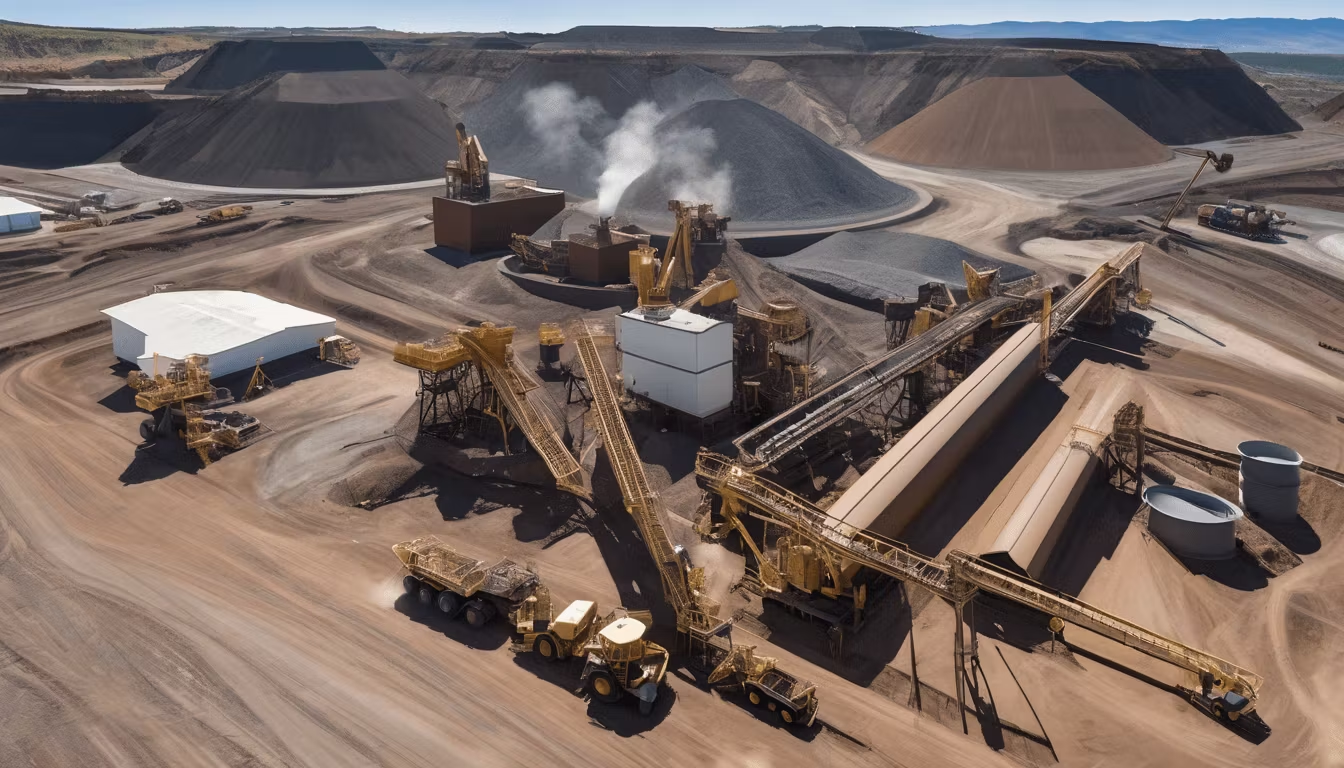
Indonesia is the world's largest nickel producer, and understanding the complexities of nickel ore transportation is critical for smelters, traders, and industrial buyers. The country's vast mineral reserves, distributed across Sulawesi, Kalimantan, and Maluku, require sophisticated logistics networks to move raw material from remote mines to processing facilities and ports efficiently.
This guide explores the key transportation methods, port infrastructure, regulatory requirements, and cost considerations that define Indonesia's nickel ore supply chain in 2024.
Understanding Indonesia's Nickel Ore Grades and Their Impact on Transportation
Before discussing logistics, it's essential to understand that Indonesian nickel ore comes in two primary grades, each with distinct transportation requirements:
Saprolite Nickel Ore (1.5-2.0% Ni)
Saprolite ore is a lateritic deposit with lower moisture content and higher nickel concentration. It's relatively stable during transport and less prone to segregation. This grade is preferred for direct shipment to nickel smelters producing ferronickel and NPI (nickel pig iron).
Limonite Nickel Ore (0.8-1.2% Ni)
Limonite ore contains higher moisture levels and lower nickel grades, requiring more careful handling during transportation. It's often subjected to pre-processing or roasting before transport to reduce moisture and improve handling characteristics. The moisture content directly affects shipping costs and vehicle wear.
Both grades require dedicated logistics planning to prevent degradation, moisture loss, or segregation during transport.
Primary Nickel Ore Transportation Methods in Indonesia
Barge Logistics: The Cost-Effective Long-Distance Solution
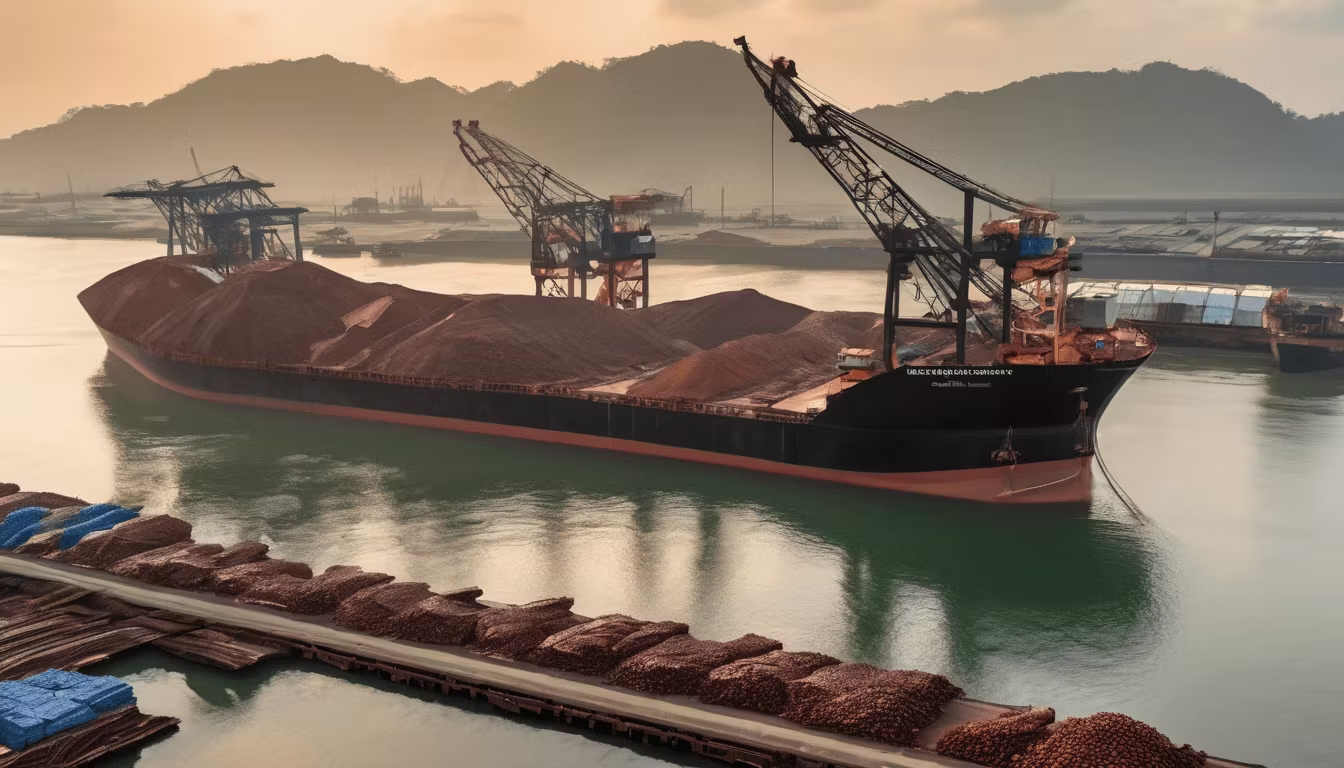
Barge logistics dominates Indonesia's nickel ore supply chain, particularly for transporting material from Sulawesi's mining regions to major processing hubs and export ports. Here's why:
Advantages of Barge Transport:
- Cost Efficiency: Barges can move 1,000-5,000 metric tons per voyage at significantly lower per-ton costs than trucks, especially on long-distance routes from Morowali and Konawe to coastal ports.
- Capacity: A single barge can transport the equivalent of 50-100 truck loads, reducing congestion on road infrastructure.
- Weather Adaptability: Modern barge operations include monsoon season protocols, with routes adjusted based on sea conditions.
- Environmental Compliance: Regulated barge operations minimize spillage and environmental impact compared to overland routes.
Barge Route Examples:
- Sulawesi Routes: Morowali and Konawe mines → Kendari Port → Makassar or Surabaya (1-3 days transit)
- Inter-island Routes: Kalimantan operations → Banjarmasin → Java industrial ports (2-5 days)
- Eastern Indonesia: Halmahera (Maluku) operations → Ternate → Major processing centers
Barge operations require coordination with port authorities, tidal schedules, and weather forecasting. Reputable suppliers like CV Indoalam Mineral Persada maintain partnerships with established barge operators to ensure predictable delivery windows and regulatory compliance.
Truck Transportation: Last-Mile Logistics and Regional Distribution
While barges handle long-distance bulk transport, trucks remain essential for:
Mine-to-Port Connectivity: Remote mines in Sulawesi's interior require truck transport to coastal loading facilities. Road conditions, particularly during rainy seasons, can extend transit times by 40-60%.
Regional Distribution: Once ore arrives at receiving ports, truck fleets distribute material to smelters within Java and Sumatra. Heavy-duty trucks (6x4 and 8x4 configurations) handle 20-25 metric ton loads.
Cost Considerations: Truck transportation costs fluctuate based on fuel prices, toll fees, and vehicle maintenance. In 2024, regional truck transport averages 150,000-250,000 IDR per ton over 200-300 km routes.
Regulatory Requirements:
- All nickel ore transport vehicles must carry export/domestic permits from mining authorities
- Overload enforcement has intensified, limiting effective loads and increasing trip frequency
- GPS tracking is increasingly required for compliance with Indonesian mining regulations
Rail Transport: Growing Infrastructure for High-Volume Operations
Select mining operations in Sulawesi have invested in dedicated rail infrastructure to transport ore from mines to ports. PT Vale and other major operators use rail to move 5,000-8,000 metric tons daily with minimal weather disruption.
However, rail infrastructure remains limited outside major mining hubs, making it unavailable for many independent suppliers. For smaller-to-medium operations, barge and truck combinations remain the practical choice.
Indonesian Mining Ports and Nickel Ore Handling Infrastructure
Key Ports for Nickel Ore Export and Domestic Distribution
Makassar Port (Sulawesi): Indonesia's primary nickel ore export hub, handling 40+ million metric tons annually. The port features dedicated ore terminals with conveyor systems, stockyard capacity for 500,000+ MT, and deepwater berths accommodating 30,000+ DWT vessels.
Kendari Port (Southeast Sulawesi): Serves as a critical collection point for Morowali and Konawe mining operations. Smaller than Makassar but with modern handling equipment and direct rail connections to nearby mines.
Surabaya Port (East Java): Major domestic distribution hub for processed and raw nickel products destined for smelters across Java and Sumatra.
Banjarmasin Port (South Kalimantan): Secondary hub for Kalimantan mining operations, with improving capacity for nickel ore and complementary minerals like silica sand.
Port Operations and Handling Standards
Modern Indonesian mining ports operate under strict environmental and safety protocols:
- SUCOFINDO Testing: All ore shipments are lab-tested for grade verification before loading, ensuring buyer confidence in quality specifications.
- Stockpile Management: Ports maintain segregated stockpiles by grade (saprolite vs. limonite) to prevent mixing and ensure traceability.
- Moisture Management: Limonite ore stockpiles are monitored for moisture content, with periodic turning to maintain consistency.
- Documentation: Comprehensive bills of lading, grade certificates, and mining licenses accompany all shipments per Indonesian mining authority (KSDAE) requirements.
Regulatory Compliance and Documentation for Nickel Ore Transport
IUP and OPK Licensing Requirements
All nickel ore suppliers must hold valid IUP (Izin Usaha Pertambangan) and OPK (Operasi Produksi Komersial) licenses demonstrating legal mining authority. CV Indoalam Mineral Persada maintains full IUP OPK certification, ensuring all transported ore originates from licensed, legitimate sources.
Export Restrictions and Domestic Supply Obligations
As of 2020, Indonesia banned raw nickel ore exports to drive domestic processing and value-addition. This means:
- All saprolite and limonite ore transported domestically must be destined for Indonesian smelters or processors
- Exports of processed nickel products (ferronickel, nickel briquettes, NPI) remain legal
- Buyers must provide end-use certifications demonstrating domestic processing
This regulatory environment significantly impacts logistics planning and requires suppliers to maintain transparent chains of custody with documented processor affiliations.
RKAB and SUCOFINDO Verification
Annual RKAB (Rencana Kerja dan Anggaran Biaya) approvals from mining authorities establish production forecasts and transport volumes. Independent SUCOFINDO lab testing verifies ore grade at every major transport checkpoint—mine departure, port arrival, and pre-delivery.
Seasonal Logistics Challenges and Solutions
Monsoon Season Impacts
Indonesia's monsoonal climate creates significant transportation disruptions:
November-March (Wet Season):
- Barge operations face routing delays and schedule uncertainty due to rough seas
- Truck transport slows due to road deterioration and flooding in Sulawesi interior routes
- Limonite ore moisture content increases, affecting load calculations
- Transit times extend by 30-50% on average
May-September (Dry Season):
- Optimal shipping conditions with predictable schedules
- Truck transport accelerates with improved road conditions
- Saprolite ore moisture stabilizes, enabling consistent loadouts
Mitigation Strategies:
- Experienced suppliers like CV Indoalam maintain strategic stockpile reserves to buffer seasonal disruptions
- Barge operators schedule preventive maintenance during monsoon peaks, reducing availability
- Contract terms often include monsoon clauses allowing schedule flexibility
Cost Factors in Nickel Ore Transportation
Major Cost Components
Fuel and Labor: Typically 35-45% of transport costs, fluctuating with global oil prices and wage inflation.
Port and Handling Fees: 15-25% of total logistics cost, including stevedoring, documentation, and storage charges.
Vessel/Barge Charter: For sea transport, charter rates directly influence per-ton economics. In 2024, dry bulk rates average $15-22/MT for regional routes.
Insurance and Compliance: 5-10% of costs, covering marine insurance, regulatory documentation, and quality certification.
Total Cost Examples (Per Metric Ton)
- Morowali Mine ��� Makassar Port: Truck + Barge: 45,000-65,000 IDR/MT
- Kendari Port → East Java Smelter: Barge + truck: 35,000-50,000 IDR/MT
- Kalimantan Interior → Banjarmasin Port: Truck only: 55,000-75,000 IDR/MT
These costs represent direct logistics only and exclude ore purchase price, taxes, and processing fees.
Supply Chain Best Practices for Nickel Ore Buyers
Selecting Reliable Suppliers
- Verify Licensing: Confirm IUP OPK and RKAB approval before purchase commitment
- Demand SUCOFINDO Testing: Independent lab verification prevents grade disputes and ensures quality consistency
- Establish SLAs: Define delivery windows, moisture tolerances, and contingency protocols for seasonal delays
- Diversify Supply Sources: Multiple suppliers from different regions (Sulawesi, Kalimantan, Maluku) reduce supply chain vulnerability
Logistics Optimization
- Negotiate Volume Discounts: Larger contracts (1,000+ MT monthly) unlock better barge rates and port priority
- Coordinate Delivery Schedules: Align shipments with smelter processing capacity to minimize storage costs
- Pre-position Inventory: During dry season, accumulate stockpiles to hedge against monsoon disruptions
- Monitor Weather Forecasts: Plan barge schedules 2-4 weeks ahead, accounting for seasonal patterns
CV Indoalam Mineral Persada: Your Trusted Nickel Ore Logistics Partner
Navigating Indonesia's complex nickel ore transportation landscape requires expertise, regulatory knowledge, and established logistics networks. CV Indoalam Mineral Persada brings all three—backed by:
- Full IUP OPK licensing and RKAB approval for sustainable, compliant operations
- Direct mine access across Sulawesi (Morowali, Konawe), Kalimantan, and Maluku regions
- SUCOFINDO-verified nickel ore grades (Saprolite 1.5-2.0%, Limonite 0.8-1.2%)
- Established partnerships with major barge operators and port facilities
- Flexible supply options from trial shipments (100 MT) to long-term contracts (2.5M MT/year)
Whether you require stable saprolite ore for ferronickel smelting or high-volume limonite supplies for HPAL processing, CV Indoalam manages every logistics component—from mine coordination through delivery—ensuring predictable supply, regulatory compliance, and competitive pricing.
Our team understands the nuances of seasonal logistics, monsoon planning, and documentation requirements that distinguish successful Indonesian nickel sourcing. We also supply complementary industrial minerals like silica sand and zircon sand for diversified procurement strategies.
Ready to Optimize Your Nickel Ore Supply Chain?
Contact us today to discuss your logistics requirements, negotiate volume-based pricing, and establish reliable, compliant nickel ore supply from Indonesia's most trusted source. Our logistics specialists are ready to develop tailored solutions for smelters, traders, and industrial processors nationwide.