Aluminium Ingot Melting Loss: Complete Guide to Control & Efficiency
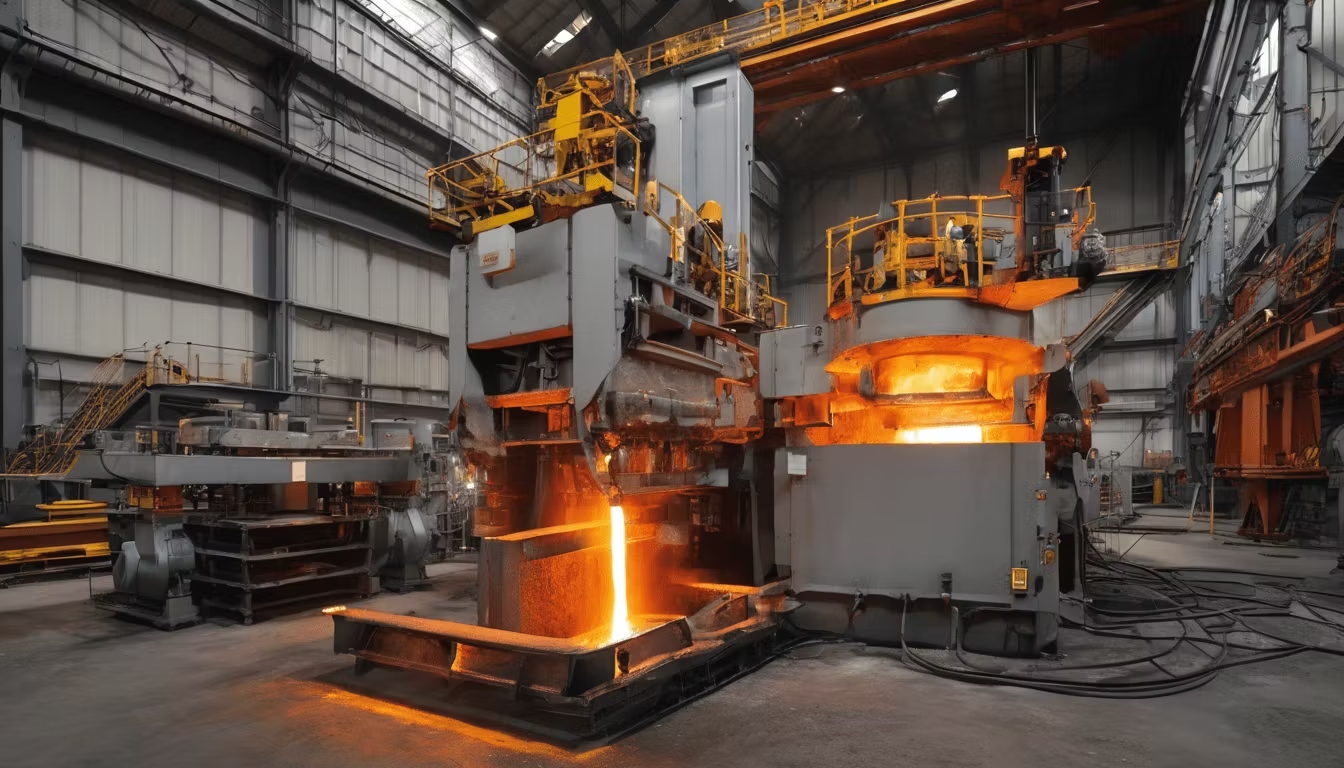
Understanding Aluminium Melting Loss in Foundry Operations
Aluminium melting loss represents one of the most significant cost factors in foundry operations worldwide. When processing aluminium ingot, manufacturers face inevitable material loss during the melting process, but understanding and controlling this loss is critical for operational profitability and sustainability.
Melting loss in aluminium processing occurs when molten metal reacts with atmospheric oxygen and other elements, creating oxides that separate from the liquid metal phase. For foundries working with high-volume production—whether casting automotive components, industrial machinery parts, or consumer goods—even a 1-2% reduction in melting loss can translate to significant cost savings annually.
This comprehensive guide explores the scientific principles behind aluminium melting loss, identifies controllable factors, and provides industry-tested minimization techniques that B2B buyers and foundry operators can implement immediately.
Key Factors Contributing to Aluminium Melting Loss
1. Oxidation During Heating
Oxidation is the primary cause of aluminium melting loss. When solid aluminium ingot reaches temperatures between 660°C and 750°C, the metal's surface begins reacting with oxygen in the air, forming aluminium oxide (Al₂O₃). This oxidation process accelerates as temperatures increase.
The oxidation rate depends on several variables: furnace atmosphere composition, heating duration, surface area of the ingot, and metal temperature. Ingots with larger surface-area-to-volume ratios naturally experience higher oxidation losses during melting cycles.
2. Furnace Atmosphere Quality
The composition of gases inside the melting furnace directly impacts melt loss rates. Furnaces with poor atmospheric control—particularly those lacking protective gas coverage or proper ventilation—experience oxidation rates 30-40% higher than controlled environments.
Three critical atmospheric factors affect melting loss:
- Oxygen concentration: Higher oxygen levels accelerate oxidation reactions exponentially
- Humidity levels: Moisture in the furnace atmosphere promotes hydrogen absorption and increased oxide formation
- Fuel combustion byproducts: Incomplete combustion creates carbon monoxide and other reactive compounds
3. Charge Preparation and Ingot Quality
The initial condition of your aluminium ingots significantly influences total melting loss. Ingots contaminated with moisture, oxide films, or surface impurities experience higher loss rates during melting. Additionally, ingots stored in humid environments develop thicker oxide layers before entering the furnace.
When sourcing aluminium ingot for your operations, working with suppliers offering SUCOFINDO-tested materials ensures consistent quality and minimal pre-existing oxidation.
4. Melting Temperature and Duration
Extended melting cycles at elevated temperatures compound oxidation losses. Every additional minute at peak temperature increases the exposed metal surface's reaction time with atmospheric oxygen. Temperature fluctuations also create thermal shock, which can dislodge protective layers and expose fresh metal surfaces to oxidation.
5. Furnace Type and Design
Different furnace technologies produce varying melting losses:
- Resistance furnaces: 3-5% typical melting loss
- Gas-fired furnaces: 2-4% with proper burner control
- Induction furnaces: 1.5-3% due to faster melting and better temperature control
- Crucible furnaces: 3-6% depending on crucible material and sealing
6. Crucible Material Selection
The crucible containing molten aluminium plays an underestimated role in controlling melt loss. Crucibles with high thermal conductivity and excellent chemical resistance prevent excessive oxidation. Clay-graphite and silicon carbide crucibles perform better than pure ceramic options for aluminium melting applications.
Quantifying and Measuring Aluminium Melting Loss
Effective melt loss control begins with accurate measurement. Industry standard methodology involves:
- Recording the precise weight of solid ingot before melting (using calibrated scales)
- Measuring the weight of molten metal immediately after reaching target temperature
- Calculating loss percentage: (Initial Weight - Molten Weight) / Initial Weight × 100
- Tracking data across multiple melting cycles to identify patterns
Most foundries experience melting losses between 1.5% and 6%, depending on furnace technology and operational practices. Establishing your facility's baseline melting loss provides essential data for implementing improvement initiatives.
Proven Techniques for Minimizing Melting Loss
1. Implement Protective Gas Coverage (Flux and Nitrogen)
Using inert gas atmospheres—typically nitrogen or argon with proprietary flux mixtures—creates a barrier preventing direct oxygen contact with molten aluminium. This technique can reduce melting loss by 40-60% compared to unprotected melting.
Flux-based protection systems work by:
- Creating a thin ceramic layer on the metal surface
- Reducing the surface tension of molten aluminium
- Preventing oxide layer formation through chemical displacement
Premium flux products designed specifically for ADC12 and A7 grade aluminium ingots provide optimal protection economics.
2. Optimize Furnace Temperature Control
Maintaining precise temperature regulation minimizes oxidation risk and unnecessary energy consumption. Modern PLC-controlled furnaces reduce temperature fluctuations to ±5°C, substantially lowering melting loss compared to manually operated units.
Best practice temperature profiles include:
- Gradual heating to 600°C over 20-30 minutes (slow oxidation phase)
- Rapid heating to 720°C under protective atmosphere (transition phase)
- Holding at 720-740°C until ready for casting (holding phase)
3. Reduce Melting Cycle Time
Faster melting inherently reduces oxidation exposure time. Switching from batch melting (4-6 hours) to rapid melting cycles (45-90 minutes) can decrease overall melting loss by 1-2 percentage points. Induction furnaces excel in this category, offering rapid heat-up rates and superior temperature control.
4. Pre-heat Ingots Under Controlled Conditions
Pre-heating ingots in a separate chamber under protective atmosphere before main furnace melting reduces thermal shock and oxidation during the critical initial heating phase. This staged approach can reduce total melting loss by 0.5-1.5%.
5. Maintain Optimal Charge Density
Overloading furnaces creates excessive surface area exposure when ingots don't fully submerge during initial melting. Maintaining proper charge density ensures ingots melt sequentially with maximum protection from adjacent molten metal, reducing combined surface oxidation.
6. Use Degassing and Refining Processes
Rotary degassing systems remove dissolved gases and oxide particles from molten aluminium, effectively salvaging some material that would otherwise be lost as dross or defective castings. This process can recover 0.3-0.8% of material that would be waste in conventional operations.
7. Regular Furnace Maintenance and Lining Inspection
Damaged furnace linings create oxygen infiltration points and thermal inefficiency. Maintaining furnace integrity through quarterly inspections and preventive refractory repairs keeps oxidation rates consistent and low. Poor lining condition can increase melting loss by 1-3 percentage points.
ADC12 vs. A7 Grade Ingots: Melting Loss Considerations
Different aluminium alloy grades exhibit varying oxidation behaviors. ADC12 aluminium ingots (commonly used in automotive die-casting) contain copper and other alloying elements that can increase melting loss by 0.3-0.5% compared to pure aluminium. A7 grade ingots, being higher purity, typically show 1-2% lower melting loss rates.
When selecting aluminium ingot suppliers, understanding alloy composition and its impact on your specific melting process is essential for accurate cost modeling.
Industry Benchmarks and Performance Targets
Leading foundries implementing comprehensive melt loss control strategies achieve these performance levels:
- Best-in-class operations: 1.2-1.8% melting loss with induction furnaces and full protective atmospheres
- Industry average: 2.5-3.5% melting loss with gas furnaces and basic flux protection
- Baseline (uncontrolled): 4-6% melting loss with batch furnaces and no protective measures
Investing in process improvements to move from baseline to industry-average performance typically requires 6-12 months but generates 2-3 year payback periods through reduced material costs.
Cost-Benefit Analysis of Melt Loss Reduction Investments
Calculating ROI on melting loss reduction initiatives requires understanding three cost factors:
- Material cost per kilogram: Current purchasing price of aluminium ingot
- Annual melting volume: Total ingot processed yearly
- Improvement investment: Capital and operational costs for upgrades
Example: A foundry processing 500 MT annually at $2.50/kg would spend $1.25 million on raw aluminium. Reducing melting loss from 4% to 2.5% saves 7.5 MT annually, worth $18,750. If protective atmosphere system costs $12,000 installed, the payback period is approximately 7.5 months.
Selecting Quality Aluminium Ingot for Optimal Results
Supplier selection directly impacts achievable melting loss rates. Working with reliable partners who provide consistent, SUCOFINDO-tested aluminium ingot ensures your melting loss baseline starts lower than industry average.
CV Indoalam Mineral Persada supplies both ADC12 and A7 grade aluminium ingots with laboratory-verified composition and surface quality, enabling foundries and metal casters to maximize their melt loss control investments.
Integration with Other Industrial Materials
Foundry operations often require complementary materials beyond aluminium ingots. Silica sand for casting mold production, zircon sand for high-temperature applications, and other refractory materials work synergistically with aluminium processing. Integrated sourcing from single suppliers can improve operational coordination and quality consistency.
Best Practices Implementation Roadmap
Successfully implementing melt loss reduction requires systematic approaches:
Phase 1 (Weeks 1-4): Establish baseline melting loss measurements and document current procedures. Identify the top three loss contributors specific to your operation.
Phase 2 (Weeks 5-12): Implement atmospheric protection systems and temperature control upgrades. Conduct operator training on new procedures and monitoring requirements.
Phase 3 (Weeks 13-24): Optimize melting cycles based on measured results. Adjust parameters iteratively to achieve target loss rates while maintaining casting quality.
Phase 4 (Months 6+): Establish continuous monitoring and refinement processes. Schedule quarterly maintenance audits to maintain achieved performance levels.
Future Technologies in Melt Loss Reduction
Emerging technologies promise further improvements in aluminium melting efficiency:
- AI-powered furnace control: Machine learning systems that predict and prevent oxidation conditions in real-time
- Advanced crucible materials: Ceramic matrix composites offering superior thermal properties and lower reaction rates
- Electromagnetic stirring: Reducing oxide dross formation through controlled fluid dynamics in molten metal
- Hydrogen plasma heating: Experimental furnace technology using hydrogen instead of conventional fuel, eliminating combustion byproducts
Conclusion: Taking Action on Melting Loss Control
Aluminium melting loss represents a controllable cost factor that significantly impacts foundry profitability. By understanding oxidation mechanisms, implementing proven minimization techniques, and maintaining rigorous process control, B2B buyers can reduce melting loss by 1-3 percentage points—delivering substantial bottom-line improvements.
Success requires three elements: investment in proper furnace equipment and atmosphere systems, operator training and accountability, and partnership with reliable material suppliers providing consistently high-quality feedstock.
CV Indoalam Mineral Persada stands ready to support your foundry operations as a trusted supplier of laboratory-tested aluminium ingot meeting international quality standards. Our direct-from-source model, IUP OPK licensing, and SUCOFINDO verification ensure you receive materials optimized for minimal melting loss and maximum casting quality.
Ready to reduce your melting losses and improve operational efficiency? Contact us today to discuss your specific requirements and explore how our premium aluminium ingots can support your melt loss reduction initiatives. Our technical team can provide detailed material specifications, testing documentation, and supply solutions tailored to your production volumes and quality standards.