Nickel Ore Sampling and Analysis: Methods for Accurate Grading
Introduction: Why Accurate Nickel Ore Sampling Matters
In the global nickel market, precision is currency. Whether you're sourcing nickel ore for ferronickel production, HPAL operations, or nickel pig iron (NPI) smelting, understanding sampling and analysis methods is critical to ensuring product quality, minimizing operational risks, and protecting your investment.
For B2B buyers purchasing nickel ore directly from Indonesian mining regions like Sulawesi and Kalimantan, the ability to verify ore grade—particularly nickel content, moisture, and iron ratios—determines profitability and process efficiency. This comprehensive guide explores industry-standard sampling protocols, laboratory analysis techniques, and grading methods that ensure transparency and accuracy in nickel ore transactions.
Understanding Nickel Ore Types and Grade Standards
Saprolite vs. Limonite Nickel Ore
Indonesia produces two primary nickel ore types, each requiring different handling and analysis approaches:
Saprolite Nickel Ore: Typically grades between 1.5-2.0% Ni content, with lower moisture (8-15%) and higher iron oxide (Fe2O3) concentrations. Saprolite is preferred for ferronickel and NPI production due to its higher nickel concentration and better metallurgical properties. Its denser composition means tighter sampling intervals and more consistent grade representations.
Limonite Nickel Ore: Generally grades 0.8-1.2% Ni, with significantly higher moisture content (25-35%) and laterite characteristics. Limonite requires more frequent sampling due to greater grade variability across mining faces. Its higher water content demands moisture analysis as a critical quality parameter, as moisture directly affects shipping costs, storage, and processing efficiency.
Understanding these distinctions is essential before sampling begins, as each ore type demands tailored sampling density, sample preparation, and analytical methods.
Nickel Ore Sampling Methods: Industry Standards
Primary Sampling Protocols
Channel Sampling: The most rigorous method for nickel ore sampling, channel sampling involves cutting continuous channels across a mining face at regular intervals (typically every 1-2 meters). Samples are extracted perpendicular to visible mineralization, ensuring representative cross-sections of the ore body. This method minimizes bias and provides reliable grade estimates for both saprolite and limonite deposits.
Chip Sampling: Used alongside channel sampling, chip sampling collects small fragments across a defined area. While faster and less labor-intensive than channel sampling, chip sampling carries higher inherent variability and is typically used for preliminary grade assessment or exploration-stage evaluation rather than final purchase decisions.
Bulk Sampling: For large-scale B2B transactions, bulk sampling collects representative material from different mining zones or stockpile locations. Bulk samples (typically 50-500 kg) undergo comprehensive testing, providing statistically robust data for contract negotiations. This method is standard for major smelter purchases and international trading operations.
Drilling-Based Sampling: Percussion or rotary drilling collects core samples from depth, capturing ore characteristics at various levels. This method is particularly valuable for saprolite deposits, where vertical grade variation can be significant. Samples are logged by depth and analyzed individually to create grade profiles.
Sample Collection Best Practices
Effective sampling requires strict adherence to protocols:
- Sampling Density: For saprolite, sample every 1-2 meters of exposed face; for limonite, increase frequency to every 1-1.5 meters due to higher variability
- Sample Size: Minimum 2-3 kg per individual sample, with composite samples (combined from multiple points) weighing 10-20 kg for laboratory analysis
- Tool Sterilization: All sampling tools must be cleaned between samples to prevent cross-contamination—a critical factor for accurate XRF and assay results
- Documentation: Precise recording of sample location, depth, visible characteristics, and collection time ensures traceability and enables grade continuity analysis
- Chain of Custody: Samples must be sealed, labeled, and transported under controlled conditions to maintain integrity until laboratory analysis
Laboratory Analysis Methods for Nickel Ore
XRF (X-Ray Fluorescence) Nickel Testing
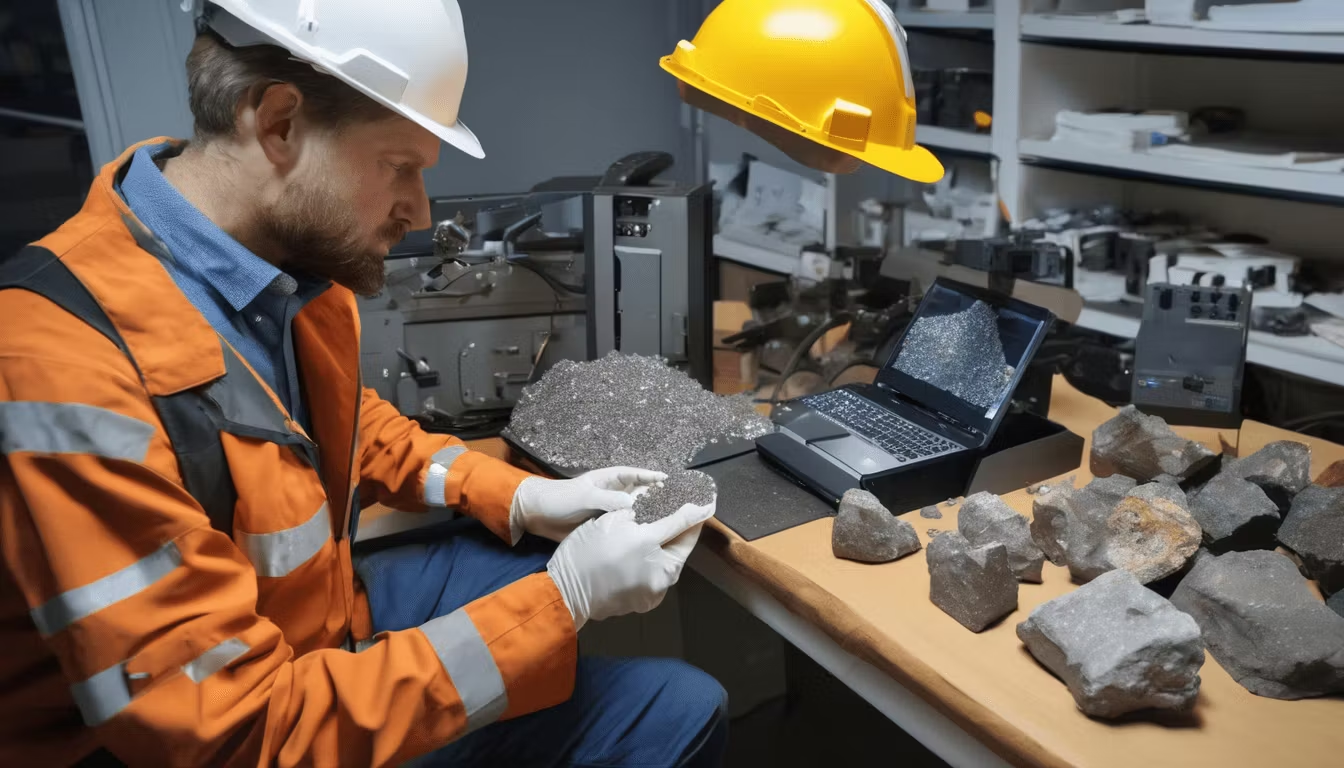
XRF nickel testing has become the industry standard for rapid, non-destructive ore analysis. This technique bombards samples with X-rays, causing element-specific fluorescence emissions that identify and quantify nickel alongside iron, magnesium, silica, and other elements.
Advantages:
- Results available within 15-30 minutes
- Non-destructive (original sample preserved)
- Can test multiple elements simultaneously
- Excellent for field-based preliminary testing
- Lower cost per sample than traditional assay methods
Limitations:
- Surface analysis only—bulk ore composition may differ slightly
- Accuracy dependent on sample homogeneity and preparation
- Less precise for very low-grade ores (<0.5% Ni)
- Requires calibration with certified reference materials
CV Indoalam Mineral Persada works exclusively with SUCOFINDO-certified laboratories, ensuring XRF equipment is calibrated against international standards and results are legally defensible for commercial transactions.
Wet Chemical Assay Methods
For contractually binding grade verification, wet chemical assays provide the highest accuracy. The fire assay method (fusion followed by cupellation) or acid digestion methods dissolve nickel into solution, which is then quantified through titration or instrumental detection (ICP-OES, ICP-MS).
Fire Assay Process:
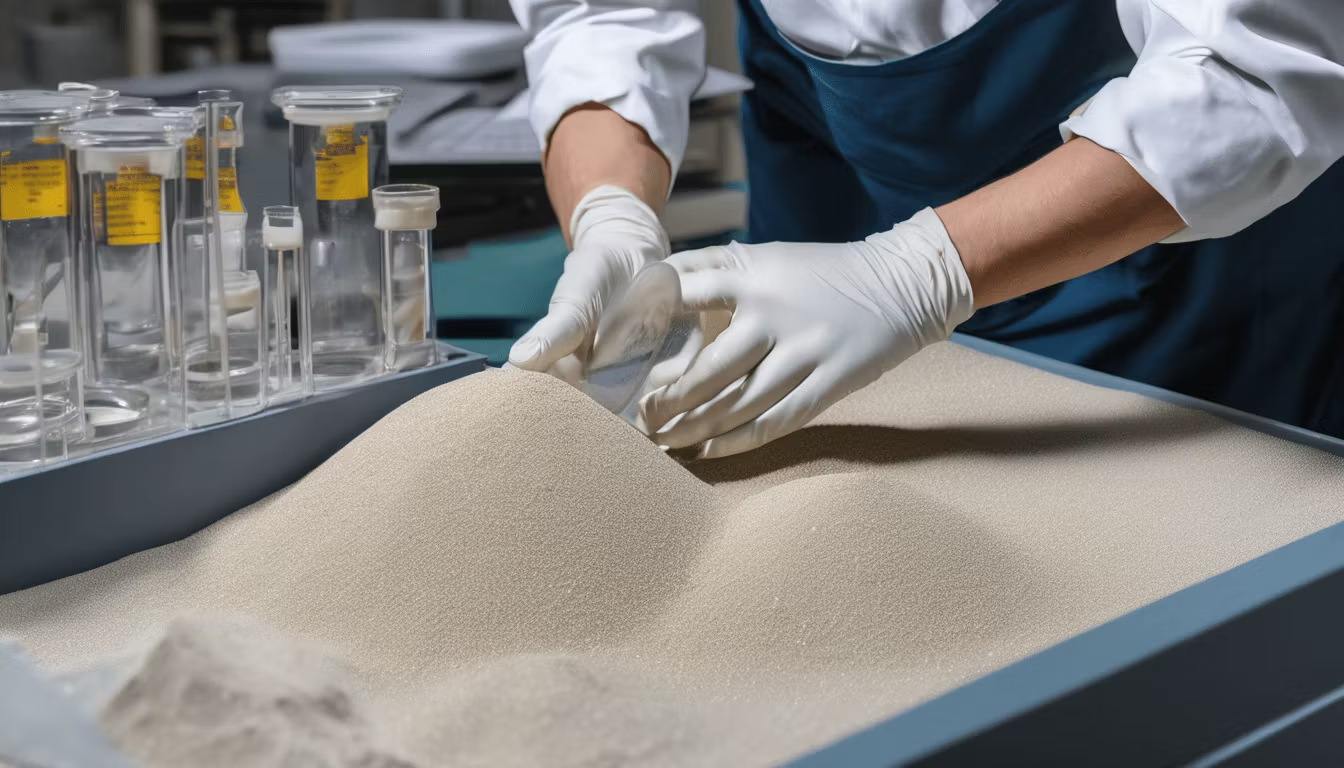
- Sample is crushed to fine powder (<200 mesh)
- Weighed portion fused with appropriate flux at 1100-1200°C
- Molten material cooled and nickel-bearing phases separated
- Nickel concentration determined through gravimetric or spectroscopic methods
Acid Digestion Method:
- Crushed sample dissolved in hydrochloric or sulfuric acid
- Nickel transferred to solution
- Interfering elements removed through precipitation or chelation
- Nickel quantified by ICP-OES or atomic absorption spectroscopy
Wet chemical assays typically require 24-48 hours but deliver accuracy within ±0.05% Ni, making them suitable for trade settlement and process control decisions.
Moisture and Iron Oxide Analysis
Beyond nickel content, two parameters critically affect ore value and processing:
Moisture Analysis (Loss on Drying): Samples are heated to 105-110°C until constant weight, with moisture content calculated as percentage mass loss. For limonite ores, moisture can represent 25-35% of total weight. Since shipping and handling costs are per-ton, moisture content directly impacts buyer profitability.
Iron Oxide Content: Determined through wet chemical titration or XRF, iron oxide ratio is critical for ferronickel smelters. Iron affects slag formation, energy requirements, and nickel recovery rates. Target Fe2O3/Ni ratios typically range from 6:1 to 8:1 for optimal ferronickel production.
Trace Element Testing
Cobalt, chromium, manganese, and sulfur content influence downstream processing. SUCOFINDO-certified labs conduct multi-element ICP analysis to profile complete ore composition, identifying potential contaminants or valuable byproduct elements.
Quality Grading Standards and Trade Specifications
International Grading Criteria
While Indonesian domestic nickel exports follow national standards, B2B quality agreements typically reference international benchmarks:
Grade A Ore: Ni 1.8-2.0% (saprolite), moisture <12%, Fe2O3 <35%, minimal surface contamination
Grade B Ore: Ni 1.5-1.79% (saprolite), moisture 12-18%, Fe2O3 35-45%
Grade C Ore: Ni 1.2-1.49% (saprolite) or 0.9-1.1% (limonite), moisture >18%, Fe2O3 >45%
Traders and smelters negotiate pricing based on these grades, with premiums for higher nickel content and penalties for excessive moisture or iron.
IUP OPK and Regulatory Compliance
All suppliers, including those with IUP OPK licensing and RKAB approval, must maintain certified sampling and analysis records. Indonesian mineral trading law requires third-party laboratory verification for all B2B transactions exceeding 100 metric tons. CV Indoalam's partnership with SUCOFINDO ensures compliance with these regulatory requirements while protecting buyer and seller interests through independent verification.
Best Practices for Buyers: Verifying Nickel Ore Quality
Establishing Sampling Agreements
Before purchasing, establish written protocols specifying:
- Sampling locations and frequency
- Sample size and composite requirements
- Laboratory selection and certification requirements
- Analysis methods (XRF for preliminary, wet assay for settlement)
- Dispute resolution procedures if results vary significantly
- Cost responsibility (typically split between buyer and seller)
Third-Party Verification
For transactions exceeding 500 metric tons, independent sampling and analysis by certified labs like SUCOFINDO protects all parties. While adding 3-5% to transaction costs, third-party verification prevents disputes and validates grade claims.
Stockpile Monitoring
When purchasing bulk quantities, implement periodic re-sampling of stockpiles to verify grade consistency. Limonite ore is particularly prone to grade degradation if exposed to weathering, making regular quality checks essential for long-term contracts.
Selecting a Reliable Nickel Ore Supplier
When evaluating suppliers, demand transparency on sampling and analysis protocols. Reputable B2B suppliers like CV Indoalam openly disclose:
- SUCOFINDO test certificates and laboratory reports
- IUP OPK and RKAB licensing documentation
- Historical grade data from their mining sourcing regions (Morowali, Konawe, Kalimantan)
- Sampling methodology and quality assurance procedures
- Flexibility in supply (from trial 100 MT orders to multi-million ton annual contracts)
Suppliers offering only verbal assurances or unverified claims pose significant financial and operational risk. Demand laboratory certificates for every shipment and establish long-term relationships with suppliers who prioritize transparency and quality consistency.
How CV Indoalam Ensures Accurate Nickel Ore Grading
CV Indoalam Mineral Persada sources nickel ore directly from mines in Sulawesi and Kalimantan, eliminating middleman variability and ensuring consistent quality. Every shipment undergoes SUCOFINDO laboratory analysis using both XRF and wet chemical methods, with detailed certificates provided to buyers.
Our team manages the entire sampling-to-analysis process, from channel and bulk sampling at mine sites to independent laboratory verification. This end-to-end control, combined with IUP OPK and RKAB licensing, guarantees that buyers receive ore matching contracted specifications for saprolite (1.5-2.0% Ni) and limonite (0.8-1.2% Ni) grades.
Whether supplying nickel smelters requiring consistent high-grade saprolite or industrial operators seeking cost-effective limonite solutions, CV Indoalam's commitment to rigorous sampling and analysis protects buyer investments and enables reliable process planning.
Conclusion
Accurate nickel ore sampling and analysis represent the foundation of successful B2B mining transactions. By understanding the differences between saprolite and limonite ores, mastering both XRF and wet chemical analysis methods, and establishing transparent sampling protocols, buyers protect themselves against grade variability and pricing disputes.
As nickel demand intensifies globally, operational margins depend increasingly on raw material quality and cost predictability. Partnering with suppliers who prioritize scientific rigor, regulatory compliance, and transparency—like CV Indoalam—ensures your smelter, foundry, or industrial operation receives ore that meets or exceeds specifications consistently.
Ready to source premium Indonesian nickel ore with certified quality assurance? Contact CV Indoalam Mineral Persada today to discuss your supply requirements, tour sampling facilities, and review laboratory certificates from recent shipments. With capacity for trial orders and long-term contracts, we're positioned to become your trusted nickel ore supplier.