Global Aluminium Market Trends: Supply, Demand & Pricing 2024

Understanding the Global Aluminium Market in 2024
The global aluminium market remains one of the most dynamic sectors within the mining and metals industry. As industries worldwide transition toward sustainability and electrification, the demand for high-quality aluminium ingot has reached unprecedented levels. This comprehensive analysis explores current market trends, pricing dynamics on the London Metal Exchange (LME), and supply chain considerations that B2B buyers must understand when sourcing aluminium for manufacturing operations.
The aluminium market experienced significant volatility over the past three years, driven by geopolitical tensions, energy cost fluctuations, and shifting industrial demand patterns. Understanding these dynamics is crucial for procurement managers, foundries, and manufacturers who depend on stable aluminium supplies for their operations.
Global Aluminium Price Trends and LME Dynamics
LME Aluminium Pricing Overview
The London Metal Exchange serves as the primary benchmark for global aluminium pricing. LME aluminium prices have demonstrated considerable sensitivity to macroeconomic factors, including inflation rates, currency fluctuations, and central bank policies. As of 2024, prices have stabilized within a range influenced by competing pressures between supply constraints and moderating demand growth.
LME aluminium trading volumes indicate strong institutional interest, with daily turnover reflecting both physical hedging activity and financial speculation. The premium structure—the difference between futures contracts and spot prices—provides insights into market tightness and storage dynamics. B2B buyers should monitor these spreads as they often signal upcoming price movements and supply availability.
Historical Price Movements and Market Cycles
The aluminium market experienced a dramatic rally from 2020 to 2022, with prices more than doubling during this period due to pandemic-driven supply disruptions and energy crises in Europe. However, 2023 saw corrections as economic slowdown concerns emerged, particularly following aggressive interest rate hikes by major central banks. The market has since consolidated, with prices ranging between $2,200 and $2,600 per metric ton on the LME, depending on market sentiment and supply announcements.
Historical analysis reveals that aluminium prices typically correlate with broader economic cycles, crude oil prices, and industrial production indices. Companies with flexible sourcing strategies that can respond to these cycles often secure better pricing and contract terms than those committed to rigid long-term agreements.
Aluminium Demand Drivers and Market Growth Projections
Electric Vehicle Revolution and Lightweight Materials
The electric vehicle (EV) sector has emerged as a primary growth driver for global aluminium demand. Modern EV batteries require lightweight materials to maximize efficiency and range, making aluminium increasingly valuable in automotive manufacturing. Each EV contains significantly more aluminium than traditional internal combustion vehicles, particularly in battery casings, structural components, and thermal management systems.
Industry forecasters project that the EV sector alone could account for 15-20% of global aluminium demand growth through 2030. This structural shift in transportation technology creates long-term demand stability for aluminium producers and traders, supporting investment in capacity expansions and processing infrastructure.
Renewable Energy Infrastructure Expansion
Solar panel production, wind turbine manufacturing, and grid modernization projects all depend heavily on aluminium components. Solar photovoltaic (PV) panels use aluminium frames and mounting structures, while wind turbines incorporate aluminium in nacelles and foundation systems. The global renewable energy investment boom has created consistent, growing demand for industrial-grade aluminium.
Governments worldwide are committing trillions to renewable energy infrastructure, with policies such as the U.S. Inflation Reduction Act and Europe's Green Deal driving substantial capital allocation. These investments translate directly into increased aluminium consumption, supporting price floors and supplier capacity utilization.
Construction and Infrastructure Development
Despite cyclicality concerns, construction remains a substantial aluminium end-use market. Modern building codes increasingly specify aluminium for windows, curtain walls, and structural components due to durability, recyclability, and aesthetic properties. Infrastructure projects in emerging markets continue to expand, particularly in Asia where rapid urbanization drives construction demand.
Global Aluminium Supply Chain Challenges
Primary Production Capacity and Bauxite Availability
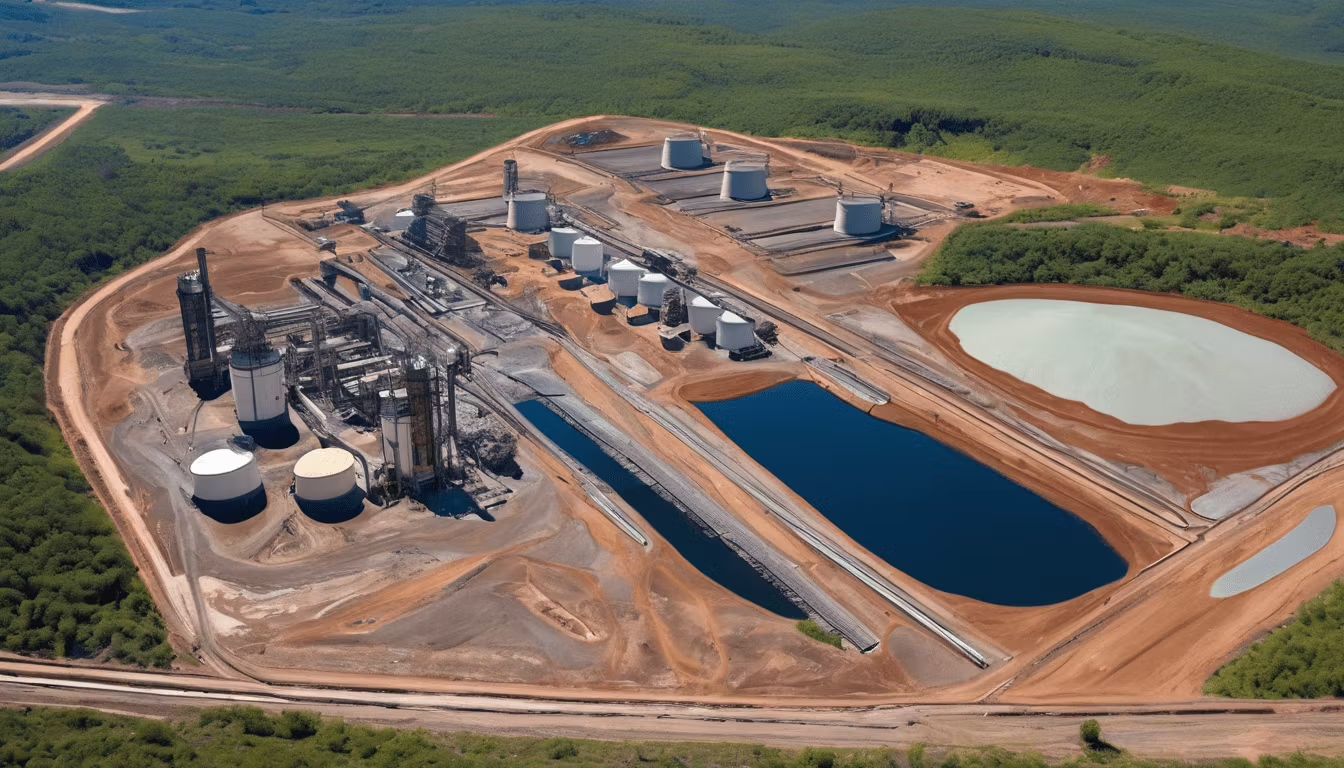
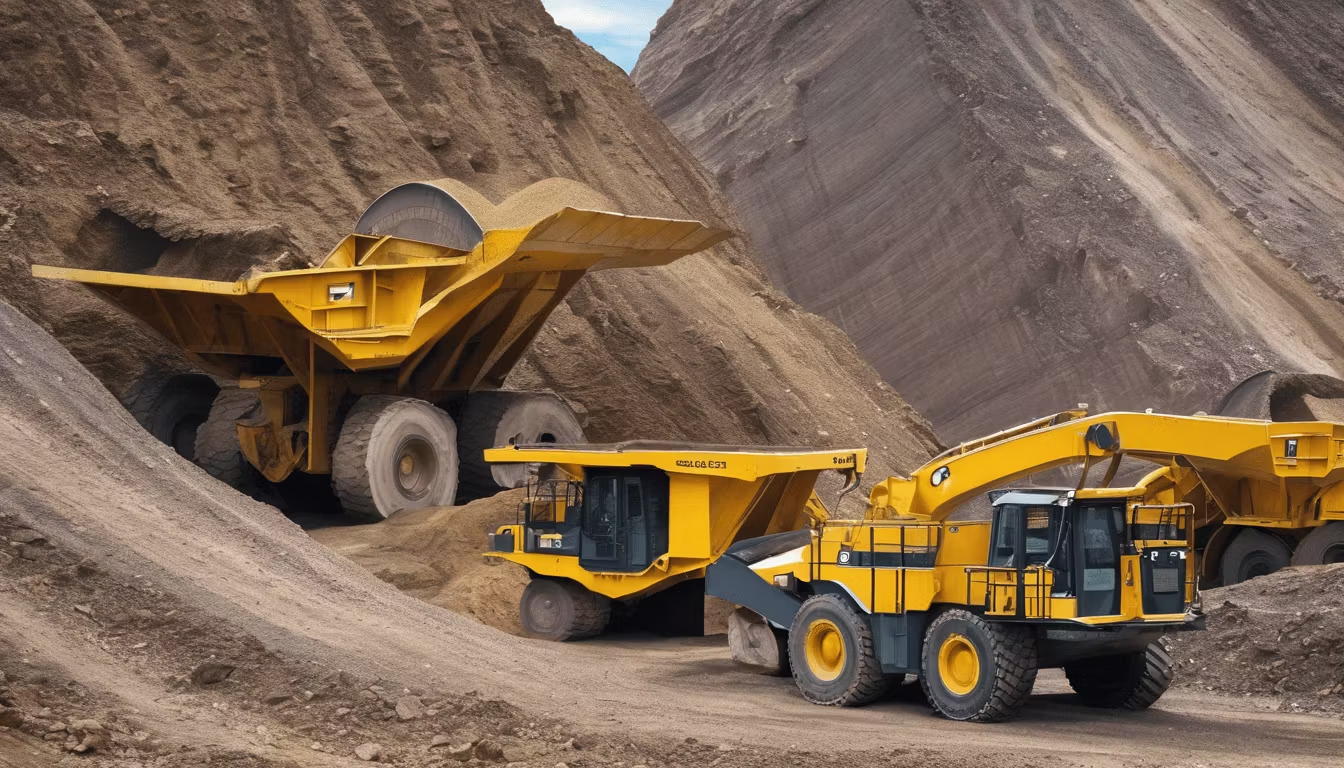
Global primary aluminium production capacity has remained relatively flat in recent years, with most expansions occurring in regions with lower energy costs, particularly the Middle East and Central Asia. Bauxite mining, the upstream raw material source, is concentrated in Guinea, Australia, and Indonesia, creating geographic supply dependencies.
The aluminium production process is energy-intensive, requiring approximately 13-15 kilowatt-hours of electricity per kilogram of primary metal produced. This energy requirement makes electricity costs the primary operational variable for smelters. Regions with access to cheap hydroelectric, natural gas, or renewable power enjoy significant competitive advantages, influencing the geographic distribution of production capacity.
Secondary Aluminium Recycling Impact
Secondary aluminium produced from recycled scrap requires only 5% of the energy needed for primary production, making recycling economically attractive when scrap prices are favorable. The automotive industry's growth has increased recycled aluminium availability, with End-of-Life Vehicle (ELV) recycling programs recovering high-purity aluminium suitable for casting applications.
Recycled aluminium grades vary significantly based on source material and processing methods. Buyers requiring specific alloy compositions, such as ADC12 or A7 grades for demanding applications, should understand the sourcing blend of their suppliers. Pure primary aluminium combined with controlled secondary material ensures consistent quality for precision applications.
Geopolitical and Trade Dynamics
Trade tensions and tariff structures significantly impact aluminium market flows. Tariffs on imported aluminium, anti-dumping measures, and export restrictions create artificial market segmentation, influencing regional pricing and supply availability. Certain producing nations have implemented production caps or export controls to support domestic industries, further constraining global supply.
Aluminium Ingot Specifications and Industrial Applications
Common Casting Grades and Quality Standards
Industrial buyers typically source aluminium ingot in two primary categories: primary ingots from smelters and secondary ingots from recycling operations. ADC12 grade, commonly used in automotive and die-casting applications, represents the most widely traded specification. A7 grade, with higher purity, serves precision applications requiring superior electrical or thermal conductivity.
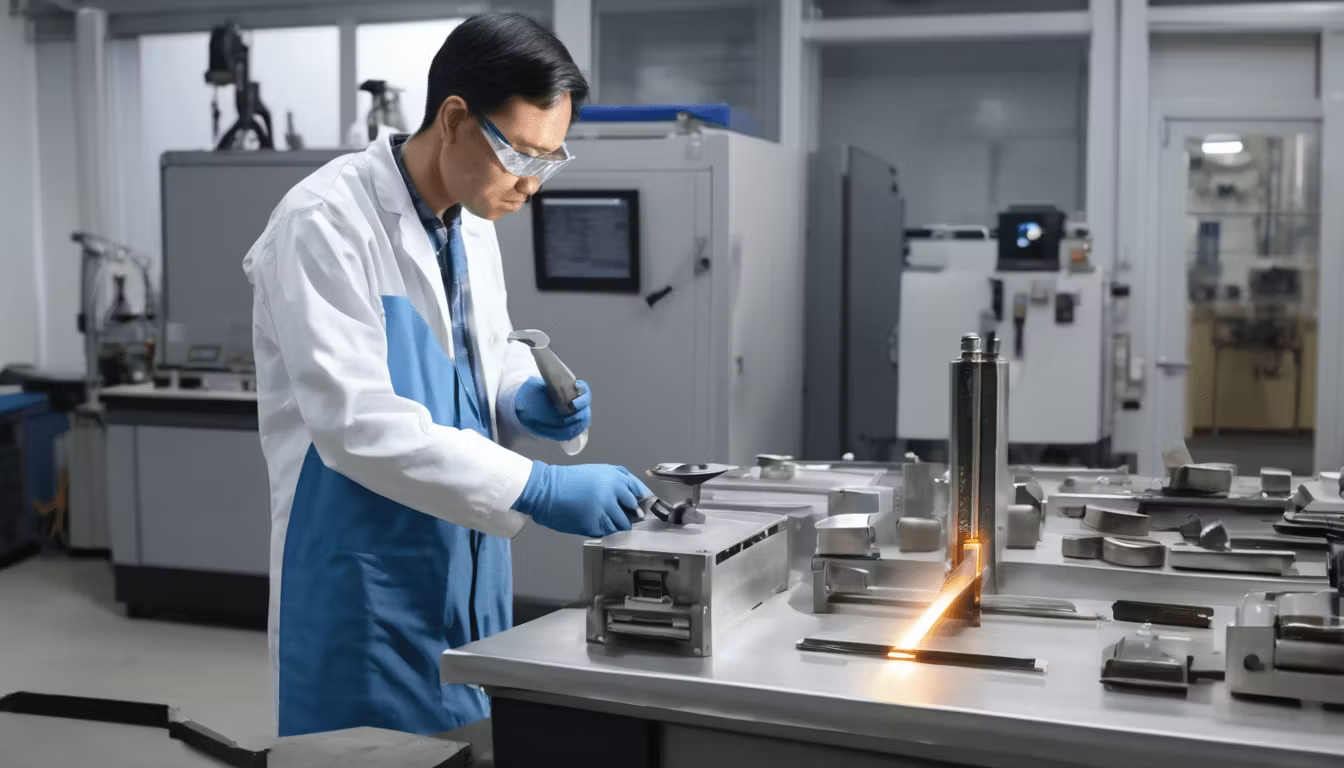
Quality specifications include strict limits on impurity elements such as iron, silicon, copper, and zinc. ASTM standards and international specifications define acceptable ranges, and reputable suppliers provide certified analysis reports verifying compliance. For B2B buyers, requiring SUCOFINDO laboratory testing or equivalent third-party verification ensures consistent quality and reduces production rejections.
Pricing Models and Commercial Terms
Aluminium ingot pricing typically follows the "LME + premium" model, where buyers pay the London Metal Exchange reference price plus a regional premium reflecting local supply-demand dynamics and transportation costs. Premiums vary considerably by geography and market conditions, ranging from $100 to $300 per metric ton depending on location and contract terms.
B2B buyers should negotiate contracts with clearly defined price adjustment mechanisms tied to LME futures, ensuring pricing transparency and protecting both parties from sudden market swings. Volume commitments often warrant discounted premiums, while flexible spot purchases may incur higher premiums reflecting immediate supply needs.
Southeast Asian Aluminium Production and Trade
Indonesia's Role in Global Aluminium Supply
Indonesia has developed into an increasingly important aluminium producing and trading nation. Beyond traditional mineral exports like nickel ore and silica sand, Indonesian companies have expanded into aluminium ingot trading, leveraging the nation's mineral resources and strategic geographic position in global supply chains.
The region benefits from proximity to major consuming markets in China and Asia-Pacific, reducing transportation costs and lead times. Indonesian traders who combine local sourcing capabilities with quality assurance systems can offer competitive advantages over distant suppliers, particularly for customers with just-in-time production requirements.
Integration with Other Mineral Supplies
Leading Southeast Asian mineral traders recognize opportunities to bundle complementary products for industrial customers. For example, foundries purchasing aluminium ingot may simultaneously require silica sand for casting mold preparation, or zircon sand for refractory lining materials. Integrated suppliers offering multiple mineral products streamline procurement processes and improve supply chain efficiency for manufacturing facilities.
Investment and Risk Considerations for B2B Buyers
Forward Planning and Inventory Management
The global aluminium market's cyclicality requires strategic inventory planning. Buyers must balance carrying costs against supply security and price risk. During periods of rising prices, just-in-time procurement minimizes exposure but risks production delays if suppliers face disruptions. Conversely, accumulating inventory during price lows requires capital commitment but provides manufacturing flexibility during supply constraints.
Advanced procurement strategies employ commodity futures for hedging purposes, locking in future prices while maintaining operational flexibility. This approach requires expertise in derivatives markets but significantly reduces earnings volatility for aluminium-intensive manufacturers.
Supplier Relationship Management
Long-term relationships with qualified suppliers offer advantages beyond price negotiation. Suppliers familiar with specific customer requirements can optimize product specs, improve delivery reliability, and provide market intelligence supporting strategic planning. For international buyers, working with established regional traders reduces logistics complexity and ensures consistent regulatory compliance across shipments.
Future Outlook for the Aluminium Market
Structural Growth Drivers and Supply Expansion
The confluence of EV adoption, renewable energy buildout, and circular economy policies creates a compelling long-term demand outlook for aluminium. Industry projections suggest global demand could grow 3-4% annually through 2030, outpacing historical averages. This growth, combined with relatively flat primary production capacity, suggests a structural tightening in supply-demand balances.
New smelter capacity announcements in low-cost regions indicate producers' confidence in long-term demand, though construction timelines typically span 3-5 years from announcement to production. This lag creates multi-year supply-demand mismatches, with implications for pricing and availability.
Sustainability and ESG Considerations
Environmental, Social, and Governance (ESG) criteria increasingly influence purchasing decisions, particularly among multinational corporations and automotive manufacturers. Low-carbon aluminium, produced using renewable electricity, commands price premiums of 5-15% above conventional metal. Buyers committed to ESG targets should develop sourcing relationships with suppliers prioritizing sustainable production methods and transparent supply chain documentation.
How to Source Quality Aluminium Ingot
When sourcing aluminium ingot for industrial applications, buyers should prioritize suppliers offering:
Quality Assurance: Third-party laboratory testing confirming alloy specifications and purity standards
Regulatory Compliance: Full licensing and certification demonstrating adherence to environmental and trade regulations
Supply Flexibility: Capacity ranging from trial quantities to large-scale annual contracts
Market Expertise: Transparent pricing aligned with LME benchmarks and regional market dynamics
Logistical Support: Reliable delivery to manufacturing facilities with proper handling and documentation
In Southeast Asia, CV Indoalam Mineral Persada has established itself as a reliable supplier of premium industrial minerals, including high-quality aluminium ingot for foundries and manufacturers. Their IUP OPK licensing, SUCOFINDO laboratory testing, and RKAB approval provide assurance of product quality and regulatory compliance. Whether you require trial quantities or substantial multi-year supply agreements, working with qualified regional suppliers reduces procurement complexity and ensures consistent supply chain performance.
Conclusion
The global aluminium market continues to evolve in response to structural shifts in energy systems and transportation technologies. Rising demand from electric vehicles and renewable energy infrastructure contrasts with relatively stable primary production capacity, creating a favorable medium-term outlook for suppliers and buyers alike. LME aluminium pricing dynamics reflect these complex market forces, requiring active monitoring and strategic procurement planning.
B2B buyers should develop supplier relationships offering quality assurance, regulatory expertise, and supply chain reliability. By understanding market trends and engaging with qualified trading partners, manufacturers can optimize aluminum sourcing costs while securing reliable supply for critical production needs.
Ready to secure premium aluminium ingot supplies? Contact us today to discuss your specific requirements. Our team specializes in delivering laboratory-tested, compliance-verified aluminium ingot and complementary industrial minerals to manufacturers across Asia-Pacific and globally.