Digital Transformation in Indonesian Mining: Technology & Innovation
Digital Transformation in Indonesian Mining: Technology & Innovation
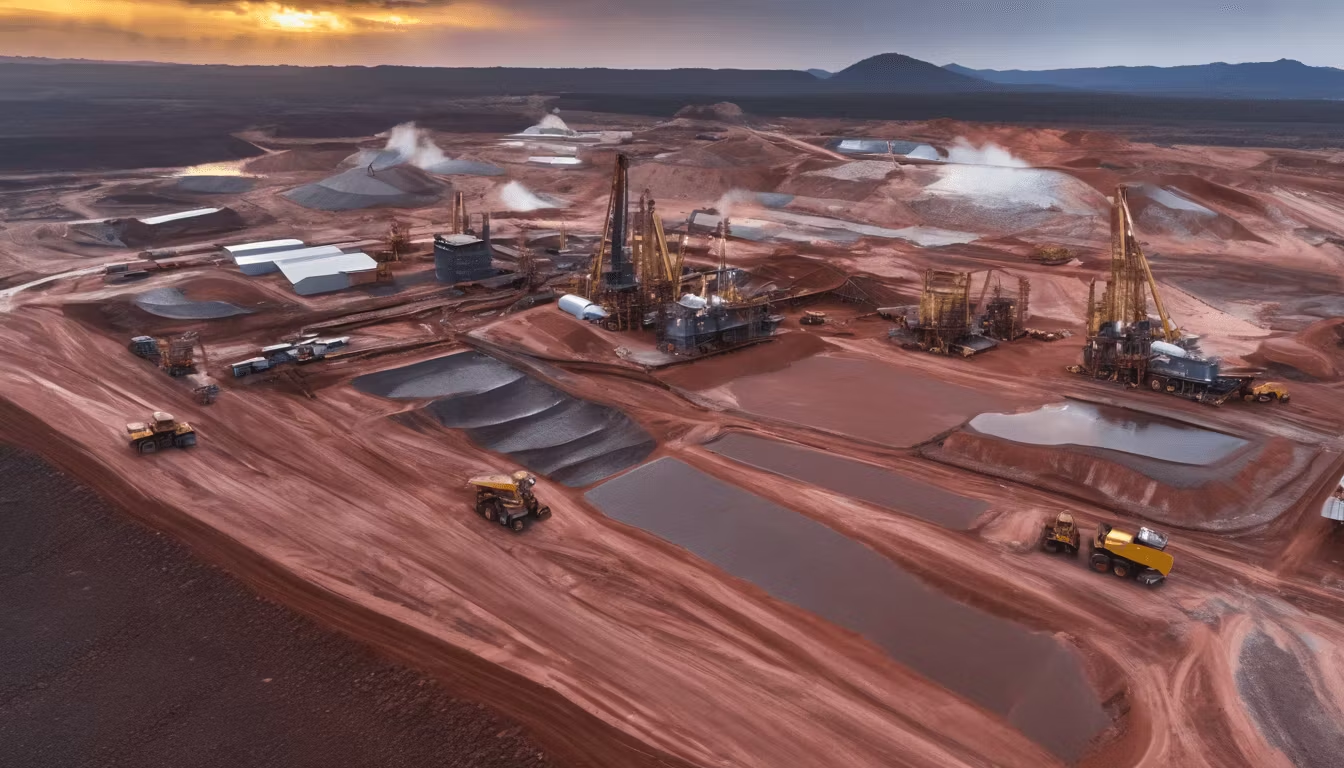
Indonesia's mining sector stands at a critical juncture. As one of the world's largest producers of minerals—from nickel ore to silica sand—the industry faces mounting pressure to increase efficiency, reduce environmental impact, and maintain global competitiveness. Digital transformation has emerged as the cornerstone strategy for meeting these challenges.
The shift toward digital mining Indonesia is not merely an optional upgrade; it represents a fundamental reimagining of how resources are extracted, processed, and delivered to end-users. From Internet of Things (IoT) sensors monitoring equipment health in real-time to artificial intelligence optimizing extraction routes, technology is reshaping the sector at unprecedented scale.
This comprehensive guide explores the digital transformation taking place across Indonesian mining operations, the technologies driving change, and what this means for B2B buyers and suppliers in the industry.
The Current State of Mining Technology in Indonesia
Why Digital Transformation Matters Now
Indonesia's mining industry has traditionally relied on conventional extraction methods. While effective, these approaches often result in inefficiencies, safety risks, and operational costs that squeeze profit margins. As global competition intensifies and commodity prices fluctuate, operators are increasingly turning to digital solutions to maintain productivity and competitiveness.
The International Data Corporation (IDC) estimates that digital transformation investments in Asian mining will reach $12.3 billion by 2026. Indonesian mining companies, recognizing this trend, are allocating significant capital to modernization initiatives. Companies supplying critical materials like silica sand and aluminium ingots are particularly focused on digital integration to meet stringent quality requirements from glass manufacturers, foundries, and industrial parks.
Current Adoption Barriers
Despite the clear benefits, several factors have slowed digital adoption across Indonesian mining:
- Infrastructure limitations: Remote mining locations in Sulawesi, Kalimantan, and Maluku often lack reliable broadband connectivity required for real-time data transmission.
- High capital requirements: Initial investment in IoT infrastructure, cloud systems, and skilled personnel represents a significant barrier for mid-sized operators.
- Workforce readiness: The transition to smart mining requires technical expertise that many existing mining workers lack.
- Regulatory complexity: Navigating IUP OPK licensing requirements alongside new digital protocols creates additional compliance burdens.
Key Digital Mining Technologies Transforming Indonesian Operations
IoT Mining Systems and Real-Time Monitoring
Internet of Things (IoT) technology represents the foundation of modern mining digitalization. Sensors embedded throughout mining equipment continuously collect data on temperature, vibration, fuel consumption, and operational status. This real-time monitoring enables predictive maintenance—addressing equipment failures before they occur rather than after costly downtime.
For companies handling high-volume materials like zircon sand production, IoT monitoring systems track extraction rates, material purity levels, and processing efficiency. SUCOFINDO-tested quality assurance becomes faster and more accurate when automated sensors verify specifications across multiple production batches simultaneously.
Key IoT applications in Indonesian mining include:
- Equipment health monitoring reducing unplanned downtime by 20-30%
- Environmental sensors tracking dust, water quality, and emissions compliance
- Asset tracking systems preventing equipment theft in remote locations
- Safety sensors detecting hazardous conditions in real-time
Artificial Intelligence and Predictive Analytics
Artificial intelligence is revolutionizing resource estimation and extraction planning. Machine learning algorithms analyze geological data, historical production records, and market trends to optimize mining sequences and predict ore grade distributions with remarkable accuracy.
For nickel smelters relying on consistent ore supplies, AI-powered demand forecasting helps suppliers plan production schedules more effectively. Rather than reactive supply chains responding to immediate orders, smart mining systems enable proactive capacity management aligned with customer requirements.
Predictive analytics also enhance worker safety by identifying patterns that precede accidents. By analyzing near-miss incidents, environmental conditions, and operational parameters, AI systems can alert supervisors to high-risk situations before they escalate.
Blockchain for Supply Chain Transparency
Blockchain technology is gaining traction in Indonesian mineral trading, particularly for materials exported internationally. This distributed ledger technology creates immutable records of material origins, quality certifications, and chain-of-custody documentation.
For B2B buyers purchasing aluminium ingot or other commodities, blockchain-enabled supply chains provide unprecedented transparency. Each transaction is recorded with timestamp and participant verification, reducing fraud risk and streamlining customs procedures for export shipments.
Cloud-Based Resource Planning Systems
Enterprise resource planning (ERP) systems deployed on cloud infrastructure centralize data from mining sites across multiple regions. Indonesian operators with facilities in Morowali, Konawe, and Halmahera can now monitor consolidated production metrics, inventory levels, and financial performance from unified dashboards.
Cloud systems eliminate data silos that previously hindered decision-making. Sales teams can instantly access real-time inventory data, production managers can coordinate multi-site operations, and quality assurance teams can track RKAB compliance across all processing facilities simultaneously.
Smart Mining in Practice: Indonesian Case Studies
Large-Scale Nickel Operations
Major nickel smelters processing Indonesian ore have implemented comprehensive IoT monitoring systems across their supply chains. These operations track ore composition from the moment it leaves the mine through processing stages. Automated quality testing reduces manual SUCOFINDO lab work while ensuring consistency that ferronickel and NPI producers demand.
The integration of IoT systems with smelter operations enables just-in-time delivery scheduling, reducing inventory carrying costs while ensuring production lines never halt due to material shortages.
Silica Sand Processing Facilities
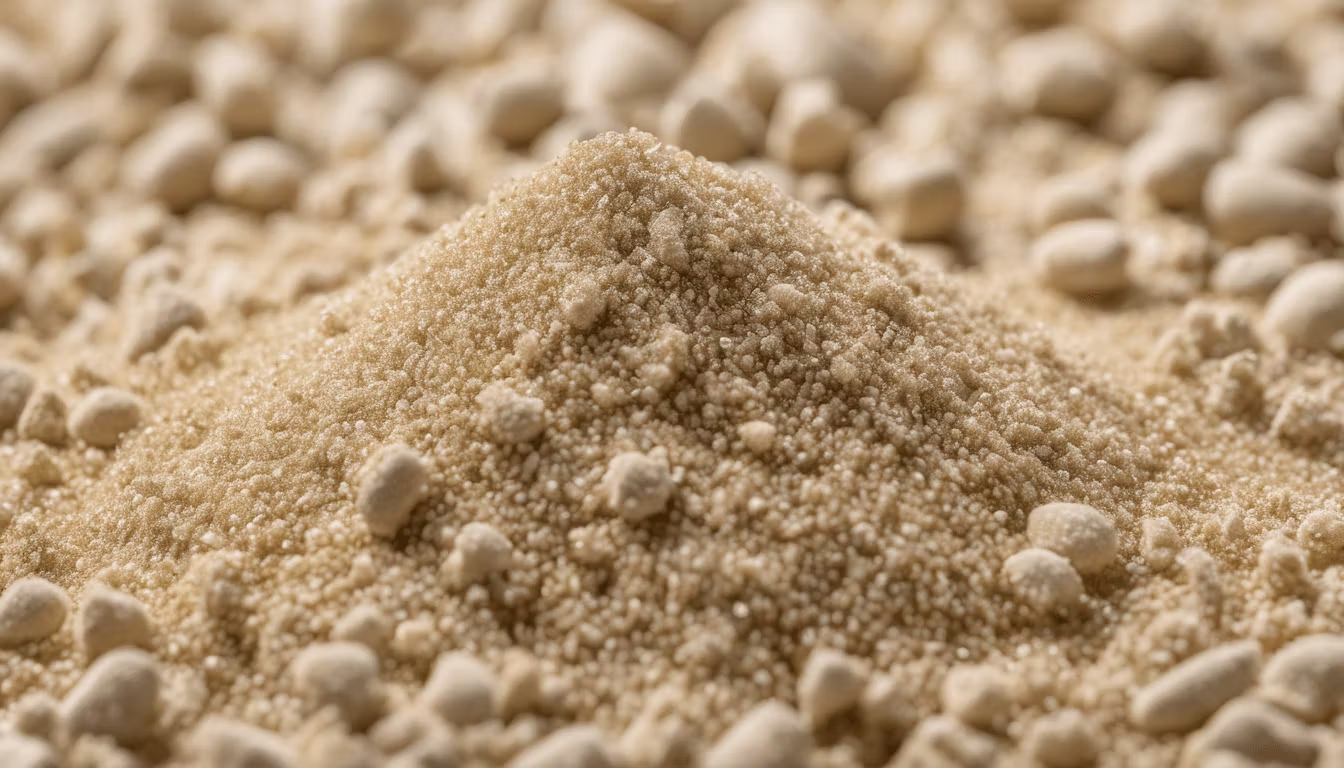
Advanced silica sand operations utilize digital technologies to maintain stringent SiO2 purity levels across different mesh grades. Sensors monitor wash water quality, drying temperatures, and screening efficiency. Data analytics identify optimal processing parameters for each product specification, from 8-mesh coarse grades to 200-mesh ultra-fine materials required by specialty glass manufacturers.
Challenges and Solutions in Indonesian Mining Digitalization
Connectivity and Infrastructure
Remote mining locations present unique challenges for digital implementation. Solutions emerging across Indonesian operations include:
- Hybrid connectivity: Combining satellite internet with cellular networks to ensure redundancy in remote areas
- Edge computing: Deploying local data processing at mine sites to reduce bandwidth requirements
- Government partnerships: Collaborating with telecommunications providers to expand infrastructure in mining regions
Data Security and Cybersecurity
As mining operations become digitally connected, cybersecurity threats increase. Critical infrastructure protecting sensitive operational data and intellectual property requires enterprise-grade security solutions:
- Encryption protocols protecting data in transit and at rest
- Access control systems limiting data exposure to authorized personnel
- Cybersecurity training programs ensuring workforce awareness
- Regular penetration testing identifying vulnerabilities before exploitation
Workforce Development and Skills Gap
Successfully implementing mining technology requires technical expertise. Progressive Indonesian mining companies are addressing this through:
- Partnerships with technical training institutes
- Internship programs developing local talent in data analysis and systems management
- Knowledge transfer agreements with equipment manufacturers
- Competitive compensation attracting skilled professionals from urban centers
Future Trends: What's Next for Digital Mining Indonesia
Autonomous Equipment and Robotics
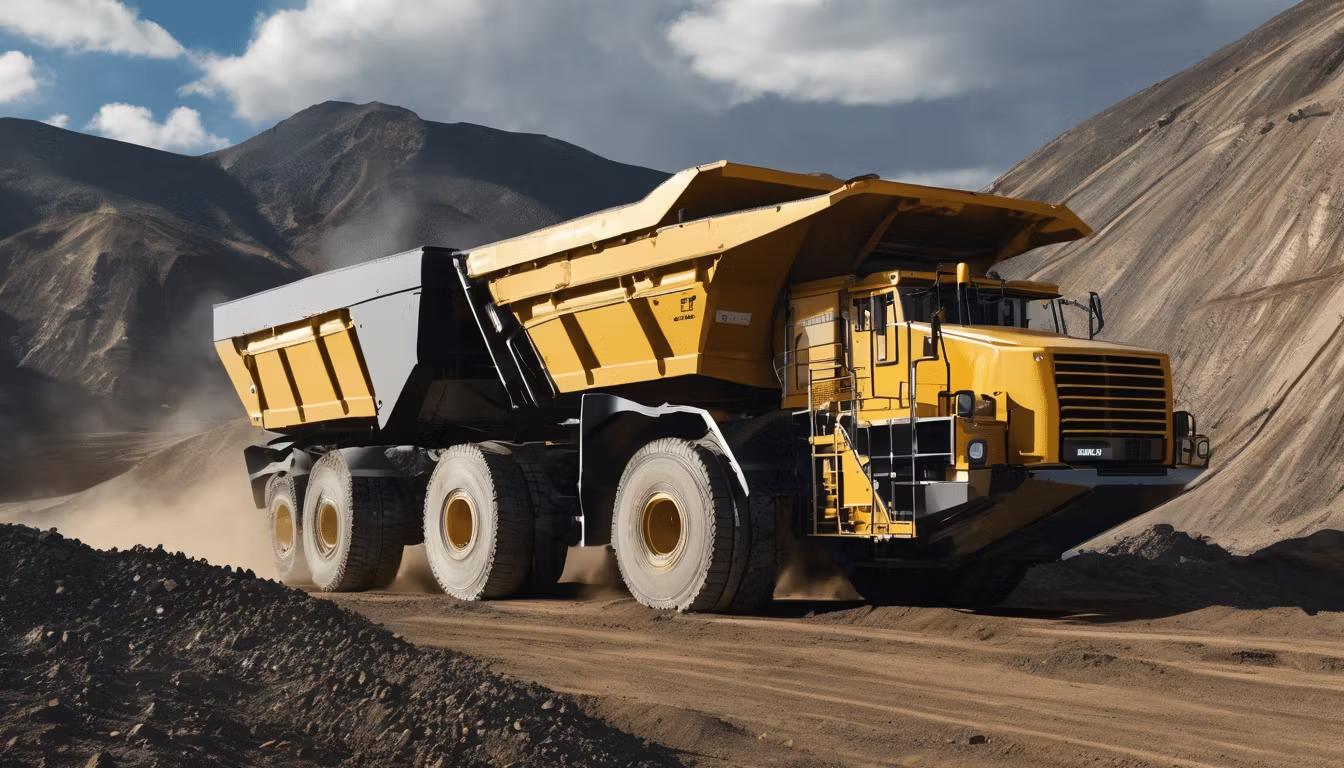
Autonomous haul trucks and drilling equipment are moving from pilot programs into operational deployment. These systems reduce human exposure to hazardous environments while operating continuously without fatigue-related performance degradation.
Digital Twin Technology
Creating virtual replicas of physical mining operations enables simulation of different scenarios before implementation. Engineers can test process changes in digital environments, identifying optimization opportunities and potential problems without disrupting actual production.
Sustainability and ESG Monitoring
Digital systems increasingly focus on environmental, social, and governance (ESG) metrics. Real-time environmental monitoring tracks water usage, emissions, and waste management compliance. For international buyers concerned with sustainability credentials, these digital audit trails provide credible documentation of responsible sourcing practices.
Implications for B2B Mining Buyers and Suppliers
Digital transformation fundamentally changes buyer-supplier relationships in Indonesian mining. Buyers can now access:
- Real-time quality assurance data verifying specifications before delivery
- Predictable delivery schedules enabled by accurate production forecasting
- Enhanced traceability documenting material origins and handling history
- Transparent pricing based on objective quality metrics rather than negotiation
For suppliers, digital capabilities become competitive necessities. Companies offering flexible supply contracts ranging from 100 MT trial shipments to 2.5M MT annual agreements now leverage digital systems to manage diverse order profiles efficiently. Advanced suppliers can customize quality parameters, adjust delivery schedules, and optimize logistics using data-driven insights.
Why Choose a Digitally Enabled Supplier
As an Indonesian mining and mineral trading company, selecting suppliers with robust digital capabilities protects your supply chain investments. Forward-thinking suppliers implement technology to deliver consistent quality, reliable supply schedules, and transparent communication.
Whether you require premium nickel ore for smelting operations, specialized silica sand for float glass production, or certified aluminium ingots for foundry operations, partnering with technology-enabled suppliers ensures access to materials meeting modern quality and sustainability standards.
Conclusion: Embracing Digital Mining for Competitive Advantage
Digital transformation in Indonesian mining is no longer a future consideration—it's happening now. Companies integrating IoT monitoring, predictive analytics, and cloud-based systems are achieving operational excellence that translates into superior product quality, reliable delivery, and competitive pricing.
For B2B buyers and producers navigating Indonesia's dynamic mining sector, the question isn't whether digital technology matters, but how quickly you can implement it within your operations and supply chains.
CV Indoalam Mineral Persada represents the next generation of Indonesian mining suppliers. Our RKAB-approved operations leverage advanced quality monitoring, real-time inventory systems, and transparent supply chain management to deliver the reliability and consistency that industrial producers demand. Whether you're a nickel smelter, glass manufacturer, ceramics producer, or foundry operator, our digitally-enabled supply capabilities ensure access to premium materials meeting the highest standards.
Ready to experience the benefits of partnering with a technology-forward Indonesian mining supplier? Contact us today to discuss how CV Indoalam's digital capabilities can enhance your supply chain efficiency and product quality. From silica sand specifications to nickel ore logistics, we're equipped to support your operations with data-driven precision.