SiO2 Purity Testing Methods: Ensuring Silica Sand Quality
Understanding SiO2 Purity Testing in Silica Sand
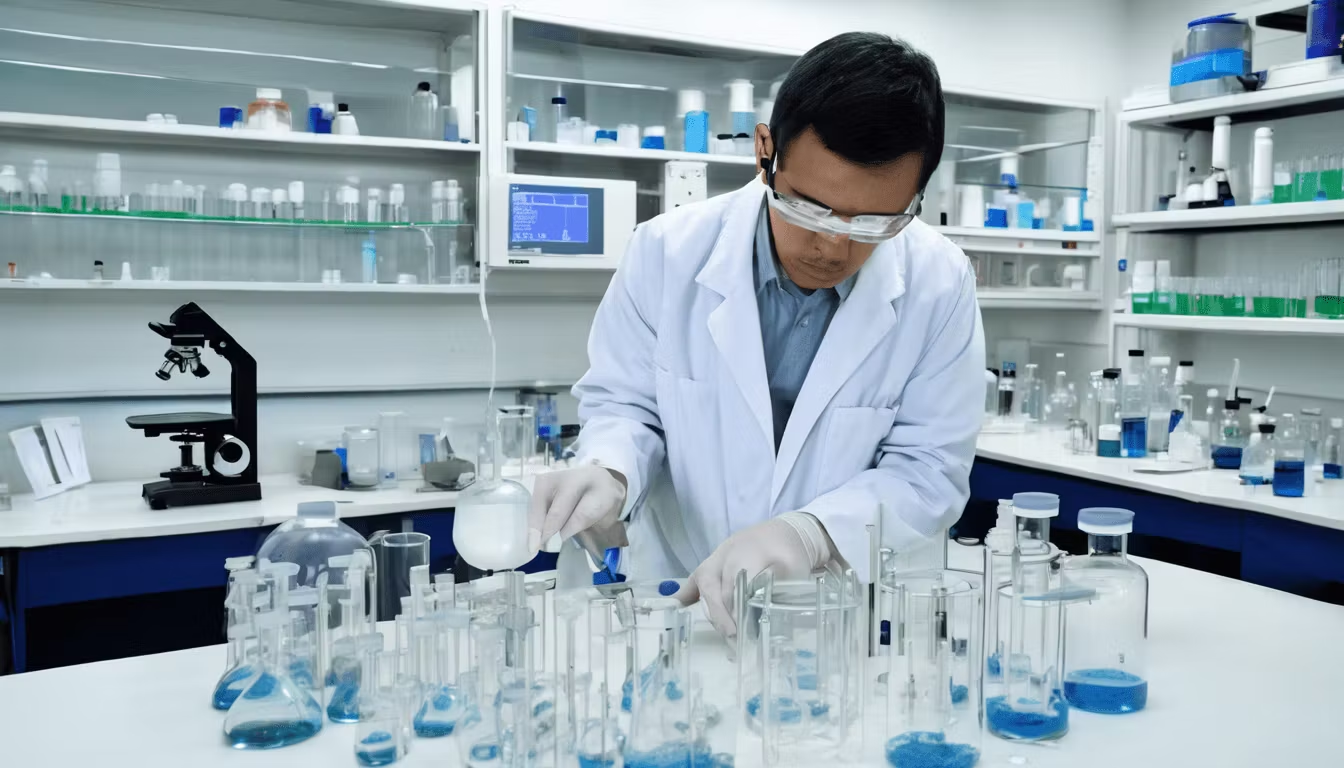
Silicon dioxide (SiO2) purity is a critical specification for industrial applications ranging from glass manufacturing to foundry operations. For B2B mining buyers, understanding how silica sand is tested and verified ensures you receive materials that meet your production standards without costly downtime or quality rejections.
At CV Indoalam Mineral Persada, we maintain rigorous quality control protocols using industry-standard testing methodologies. Our commitment to delivering high-purity SiO2 at 99.74% concentration reflects our investment in laboratory infrastructure and technical expertise. This article explores the fundamental testing methods that guarantee silica sand quality throughout the supply chain.
What is SiO2 Purity and Why It Matters
SiO2 purity refers to the percentage of silicon dioxide present in silica sand, with impurities typically including iron oxide (Fe2O3), alumina (Al2O3), magnesium oxide (MgO), and other trace elements. Industrial buyers specify SiO2 purity levels based on their manufacturing requirements:
- Float glass production: Requires 99.5-99.8% SiO2 to minimize color and ensure optical clarity
- Foundry applications: Need 95-98% SiO2 for dimensional accuracy in metal casting
- Solar panel manufacturing: Demands 99.7%+ SiO2 for light transmission efficiency
- Water filtration: Typically requires 98%+ SiO2 for particle size distribution
- Ceramics and tile production: Generally specified at 95-97% SiO2 depending on glaze formulations
Even 0.5% variation in SiO2 content can significantly impact product performance, making accurate chemical analysis sand testing non-negotiable for quality-conscious manufacturers.
Primary SiO2 Purity Testing Methods
X-Ray Fluorescence (XRF) Analysis
X-Ray Fluorescence is one of the most widely adopted techniques for rapid, non-destructive SiO2 purity testing. The method works by bombarding silica sand samples with high-energy X-rays, causing electrons in the material to emit characteristic radiation. By measuring this secondary fluorescence, laboratories can determine elemental composition with excellent accuracy.
Advantages:
- Quick turnaround (15-30 minutes per sample)
- Non-destructive testing preserves samples
- High accuracy for major and minor elements
- Requires minimal sample preparation
- Cost-effective for batch testing
Limitations:
- Less precise for trace elements below 0.1%
- Requires calibration with reference standards
- Matrix effects can affect lighter element detection
Inductively Coupled Plasma (ICP) Analysis
ICP is a more sophisticated analytical technique that vaporizes samples and measures the ionized elements. This method offers superior sensitivity and accuracy, making it ideal for comprehensive chemical analysis sand testing when trace impurities must be detected with precision.
Process Overview:
- Sample dissolution in hydrofluoric acid
- Introduction into an argon plasma (7,000-10,000K)
- Atomic emission spectroscopy measurement
- Quantitative element concentration determination
Advantages:
- Excellent detection limits for trace elements (ppm level)
- Multi-element simultaneous analysis
- High precision and repeatability
- Minimal matrix interference
Limitations:
- Longer sample preparation time (2-4 hours)
- Requires trained laboratory personnel
- Higher operational costs
- Destructive testing method
Gravimetric Analysis
Gravimetric analysis is a classical wet chemistry method that provides highly accurate SiO2 quantification through acid digestion and weighing procedures. While more time-consuming than instrumental methods, it remains the reference standard for calibration and validation.
Standard Procedure:
- Weigh dried silica sand sample (typically 1-2 grams)
- Digest in concentrated hydrochloric acid to dissolve impurities
- Filter and wash residue thoroughly
- Dry and weigh the remaining SiO2 residue
- Calculate purity percentage by weight
Typical Duration: 6-8 hours per sample
Inductively Coupled Plasma-Mass Spectrometry (ICP-MS)
For ultra-trace element detection below ppb (parts per billion) levels, ICP-MS combines plasma ionization with mass separation. This technique is employed when extremely high-purity silica sand is required for semiconductor or advanced optical applications.
Quality Control Standards and Regulations
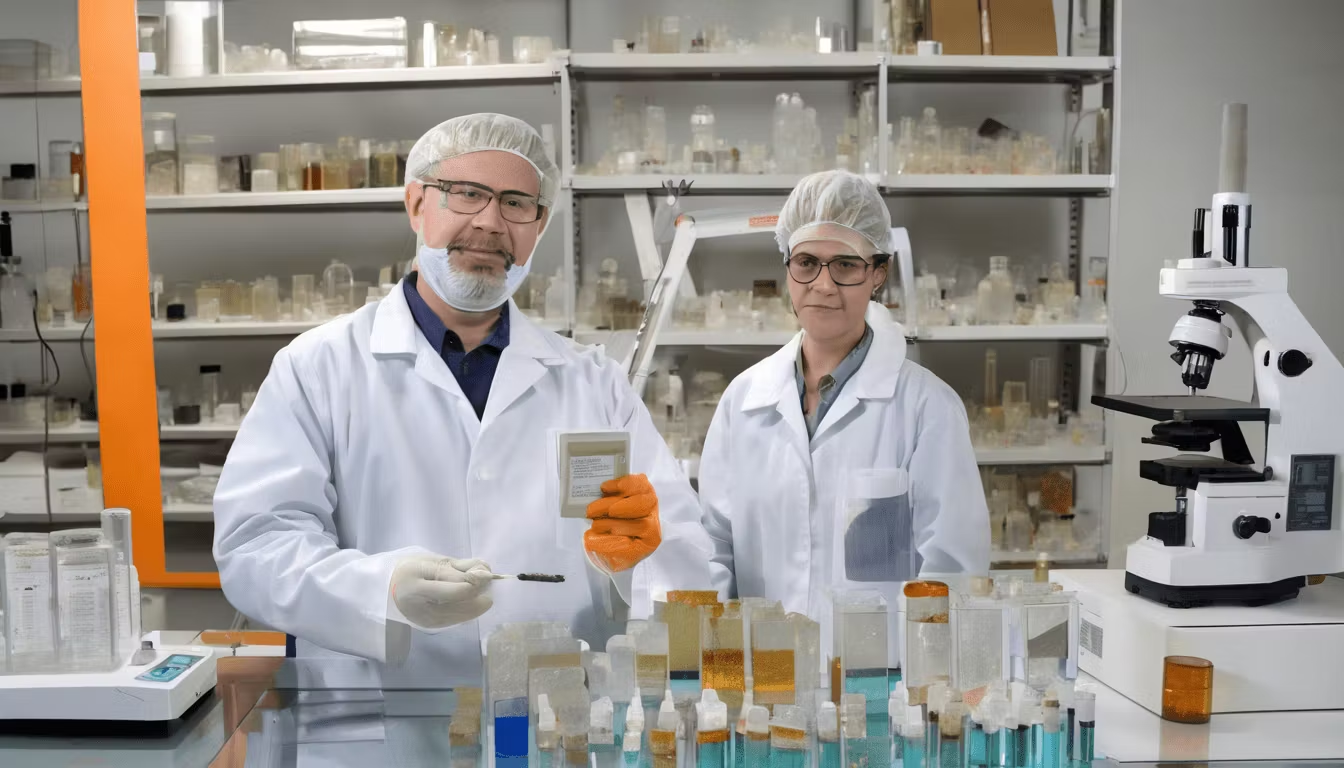
CV Indoalam conducts SiO2 purity testing in compliance with international standards and Indonesian regulatory frameworks. Our laboratory operations follow SUCOFINDO certification protocols, ensuring that every batch meets declared specifications.
International Standards
- ASTM C169-21: Standard method for SiO2 content in silica sand by gravimetric analysis
- ISO 1248: Silica sand specifications for glass-making
- ISO 6923: Determination of iron content in silica sand
- ASTM D1193: Standard specification for reagent water used in testing
Indonesian Regulations
As an IUP OPK licensed operator, CV Indoalam adheres to the Indonesian Mining Ministry's quality control requirements. Our RKAB (Rencana Kerja dan Anggaran Biaya) documentation specifies testing protocols aligned with Indonesian Standards (SNI) for mineral products.
Sample Preparation: Foundation for Accurate Testing
Proper sample preparation is critical for reliable SiO2 purity testing results. Contamination or incorrect handling at this stage can invalidate even the most sophisticated analytical procedures.
Best Practices for Sample Preparation
- Random Sampling: Collect samples from multiple points within a shipment to ensure representativeness
- Container Sterilization: Use acid-washed plastic or glass containers to prevent cross-contamination
- Sample Size: Minimum 500g recommended for compositional analysis across multiple mesh grades
- Drying Protocol: Dry samples at 105-110°C for 2 hours before testing
- Particle Size Reduction: Grind samples if necessary to pass 200-mesh screen for homogeneity
- Storage Conditions: Maintain cool, dry storage away from chemical fumes
Interpreting SiO2 Purity Test Results
Laboratory reports provide detailed breakdowns of silica sand composition. Understanding how to read these documents is essential for procurement decisions and production planning.
Key Metrics in Testing Reports
SiO2 Content (%): The primary specification—CV Indoalam guarantees 99.74% for premium grades
Iron Oxide (Fe2O3): Critical for glass production; excessive iron causes coloration. Typical specification: <0.05%
Alumina (Al2O3): Affects glass viscosity and thermal properties. Standard limit: <0.1%
Loss on Ignition (LOI): Indicates residual moisture and organic matter. Should be <0.5%
Trace Elements: Including titanium, chromium, and vanadium, reported in ppm
Mesh Grade Analysis and Particle Size Distribution
Beyond chemical purity, silica sand quality depends on consistent particle size distribution. CV Indoalam supplies multiple mesh grades (8-200) requiring separate size analysis testing:
- Mesh 8-16: Coarse aggregate for foundry cores and molds
- Mesh 20-40: Medium grade for general glass production
- Mesh 60-100: Fine grade for precision casting and electronics
- Mesh 200+: Ultra-fine for specialty applications and coatings
Sieve analysis (ASTM C136) determines the percentage of material retained on each mesh size, ensuring batch consistency and meeting customer specifications.
Quality Assurance Throughout Supply Chain
Testing doesn't end at the laboratory. Professional suppliers implement comprehensive quality assurance protocols spanning from mining extraction through final delivery.
CV Indoalam's Quality Control Framework
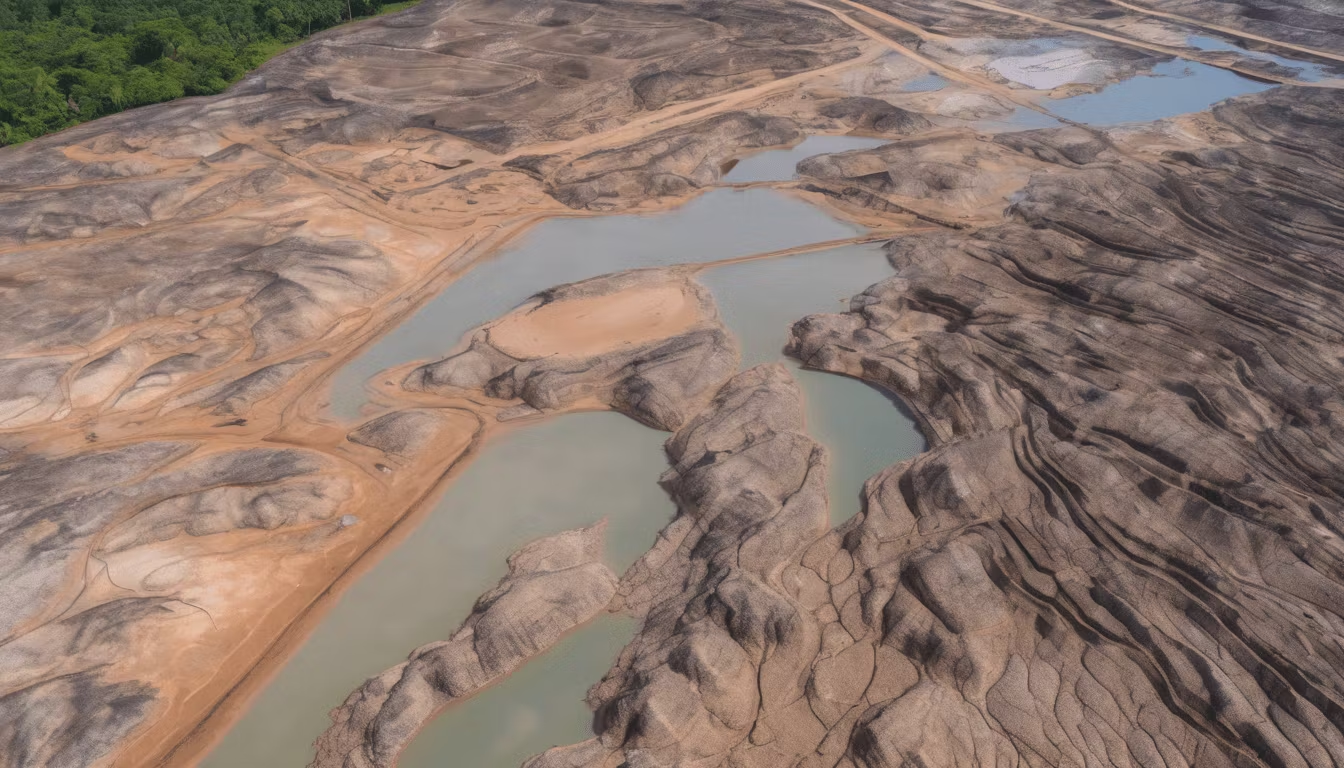
- In-pit Sampling: Initial quality assessment before extraction from Sulawesi, Kalimantan, and Maluku operations
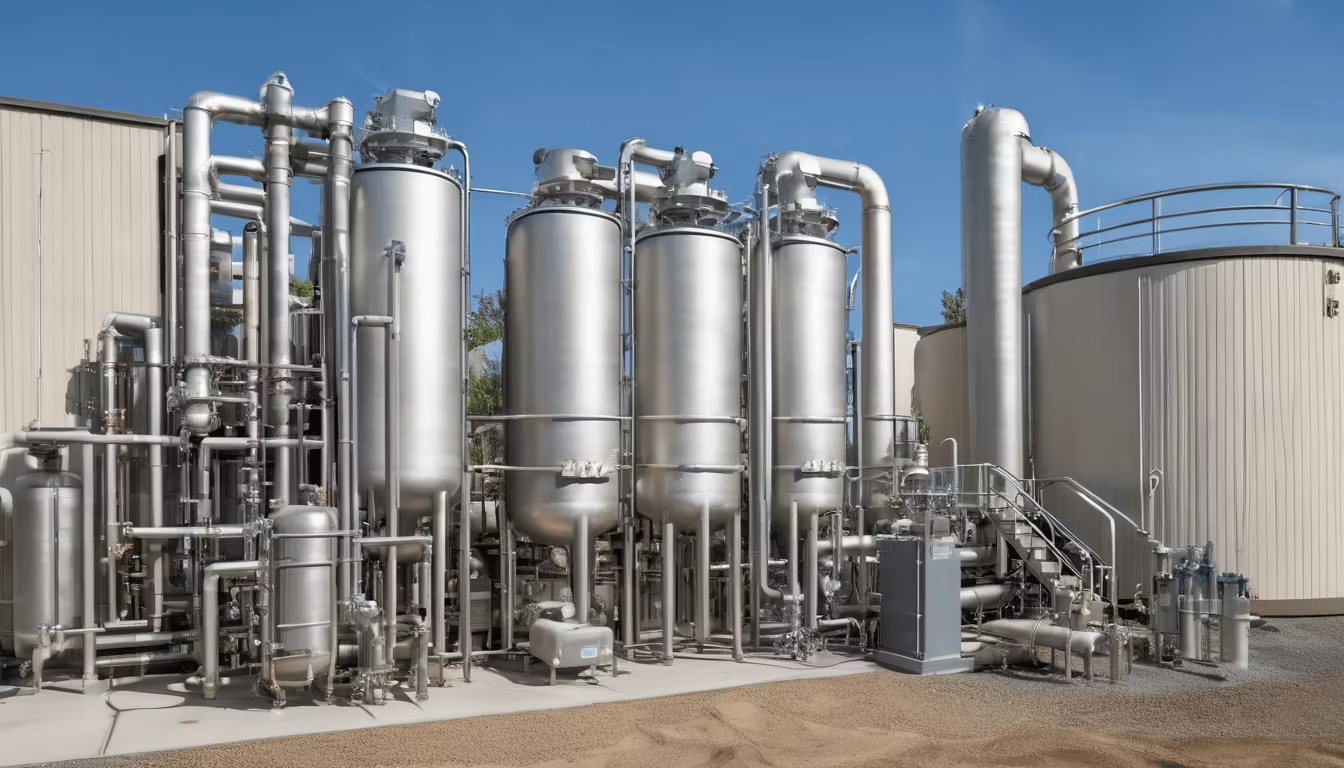
- Processing Controls: Monitoring during crushing, washing, and drying stages
- Pre-shipment Verification: SUCOFINDO-certified testing of every major batch
- Certificate of Analysis: Detailed documentation accompanying all shipments
- Traceability Records: Full chain-of-custody documentation for regulatory compliance
Cost-Benefit Analysis: Investment in Quality Testing
While comprehensive SiO2 purity testing increases operational costs, the return on investment through reduced production failures and customer satisfaction justifies the expense. Consider these scenarios:
Manufacturing Impact of Low SiO2 Purity:
- Glass defects requiring costly rework
- Foundry mold failures leading to scrap metal
- Water filtration system clogging reducing equipment lifespan
- Customer contract penalties for specification non-compliance
Professional suppliers like CV Indoalam recognize that systematic quality testing protects customer operations and builds long-term partnership trust.
Selecting a Reliable Silica Sand Supplier
When evaluating silica sand suppliers, verify their testing capabilities and certifications. Look for these indicators of quality commitment:
- Third-party laboratory certifications (SUCOFINDO, ISO 17025)
- Published SiO2 purity guarantees with supporting data
- Transparent Certificate of Analysis provided with shipments
- Regulatory compliance documentation (IUP OPK licensing)
- Flexible sampling programs for new customers
- Consistent quality across multiple shipments
CV Indoalam offers trial quantities starting at 100 MT, allowing buyers to verify quality before committing to larger contracts. Our direct sourcing from mining operations in Sulawesi, Kalimantan, and Maluku eliminates middlemen, reducing costs while improving quality consistency.
Industry-Specific Applications and Quality Requirements
Float Glass Manufacturing
Float glass production demands exceptional SiO2 purity (99.7%+) and minimal iron content (<0.03%) to prevent color absorption. Our premium silica sand meets these stringent specifications for manufacturers producing automotive glass, architectural glazing, and solar panels.
Foundry and Metal Casting
Foundry operations require consistent particle size distribution and adequate SiO2 content (95-98%) for mold strength. Our various mesh grades support different casting applications, from precision aluminum components to large iron castings.
Water Treatment and Filtration
Water filtration systems depend on chemically stable, high-purity silica sand (98%+ SiO2) with specified grain size distribution. Our quality-tested materials ensure optimal filtration performance and extended system lifespan.
Future Trends in SiO2 Testing Technology
The mining industry continues adopting advanced analytical technologies. Emerging trends include:
- Portable XRF Instruments: Real-time quality assessment at mine sites
- Automated Sampling Systems: AI-driven sample collection reducing human error
- Blockchain Documentation: Immutable quality records enhancing traceability
- Hyperspectral Imaging: Non-contact mineral composition analysis
CV Indoalam remains committed to adopting these innovations to strengthen quality assurance and customer confidence.
Conclusion: Partnering with Quality-Focused Suppliers
SiO2 purity testing represents far more than a regulatory checkbox—it's the foundation of reliable industrial supply chains. Whether you're manufacturing glass, casting metal components, or treating water, knowing your silica sand meets precise chemical specifications eliminates production uncertainty and protects your bottom line.
CV Indoalam Mineral Persada brings together rigorous laboratory testing, regulatory compliance, and direct mining sourcing to deliver high-purity silica sand that consistently meets international quality standards. Our SUCOFINDO-certified testing protocols, IUP OPK licensing, and multi-year supply agreements provide the assurance that professional manufacturers demand.
Ready to upgrade your silica sand sourcing? Our team can discuss your specific SiO2 purity requirements, arrange sample testing, and develop a customized supply agreement. Contact us today to explore how CV Indoalam can become your trusted mineral partner across Indonesia and internationally.