Silica Sand for Solar Panels: Essential Material for Photovoltaic Manufacturing
Introduction: The Critical Role of Silica Sand in Solar Energy
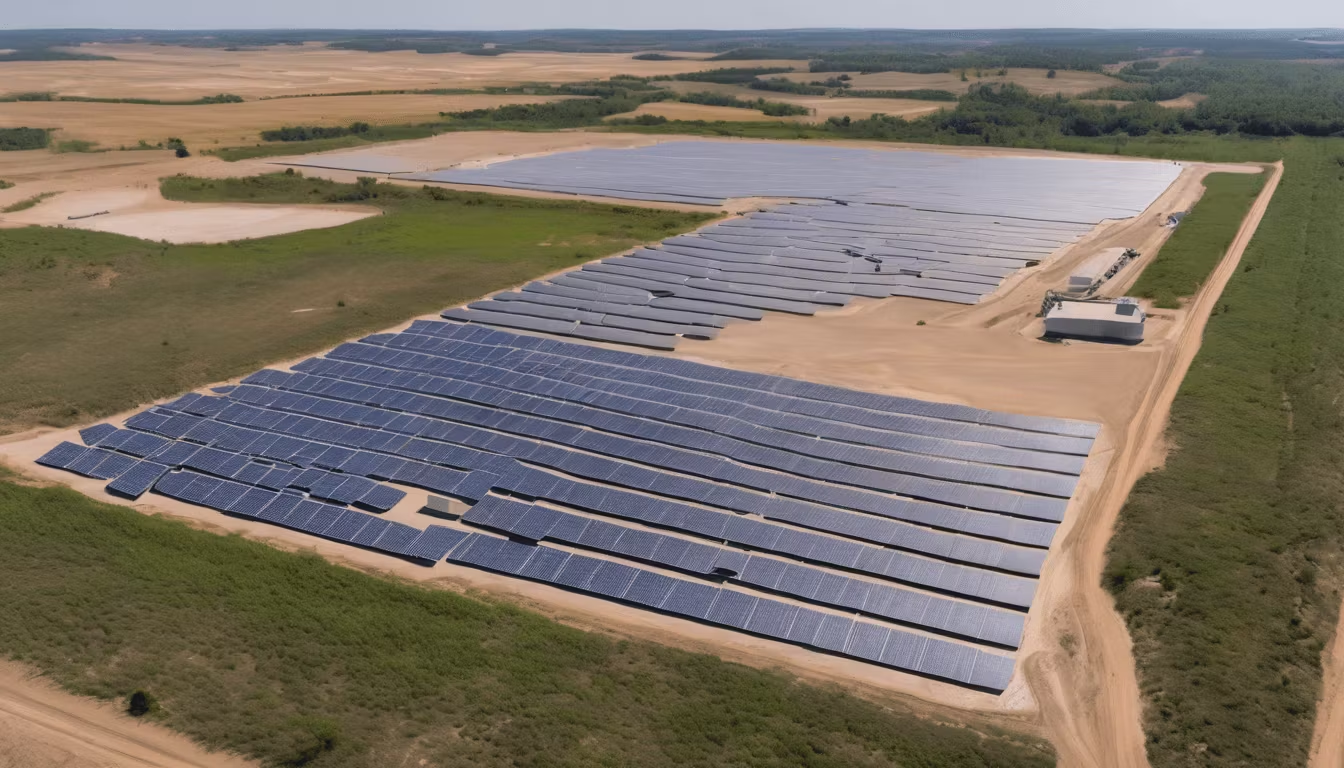
The global shift toward renewable energy has positioned photovoltaic (PV) technology as a cornerstone of sustainable power generation. Behind every efficient solar panel lies a crucial raw material: high-purity silica sand. As the solar industry accelerates toward record capacity installations, understanding the specifications, sourcing, and quality standards of silica sand for solar applications has become essential for manufacturers, engineers, and procurement professionals.
The photovoltaic industry depends on precisely refined silica materials to create the semiconductor wafers, glass encapsulation layers, and optical components that convert sunlight into electricity. This comprehensive guide explores the critical connection between silica sand and solar panel performance, helping B2B buyers make informed sourcing decisions.
Understanding Silica Sand in Photovoltaic Manufacturing
What Makes Solar-Grade Silica Different?
Not all silica sand is suitable for solar panel manufacturing. Solar-grade silica requires exceptional purity levels, with silicon dioxide (SiO2) content exceeding 99.7%. This high-purity specification distinguishes it from industrial silica used in construction, glass manufacturing, or foundry applications.
The stringent requirements stem from the physics of photovoltaic cells. During the manufacturing process, silicon is extracted from silica and transformed into semiconductor-grade material. Any trace contaminants—iron, aluminum, titanium, or other heavy metals—can compromise electrical conductivity and reduce cell efficiency. Even parts-per-million levels of impurities can result in measurable performance degradation in finished solar modules.
Key Specifications for Solar-Grade Quartz Sand
When sourcing quartz sand photovoltaic materials, procurement teams must evaluate several critical parameters:
- SiO2 Content: Minimum 99.74% for premium solar applications, with consistent batches meeting aerospace-grade standards
- Iron Content (Fe2O3): Must remain below 100 ppm, preferably under 50 ppm, to prevent electron recombination losses
- Aluminum Content (Al2O3): Typical specification ceiling of 200 ppm, as aluminum oxides increase electrical resistivity
- Particle Size Distribution: Controlled mesh grades (typically 80-200 mesh for flotation concentration) ensuring uniform processing
- Moisture Content: Less than 0.5% to prevent hydrolysis during high-temperature melting
- LOI (Loss on Ignition): Below 0.3% to confirm minimal organic or volatile contaminants
The Solar Panel Manufacturing Process and Silica Requirements
From Raw Silica to Silicon Wafers
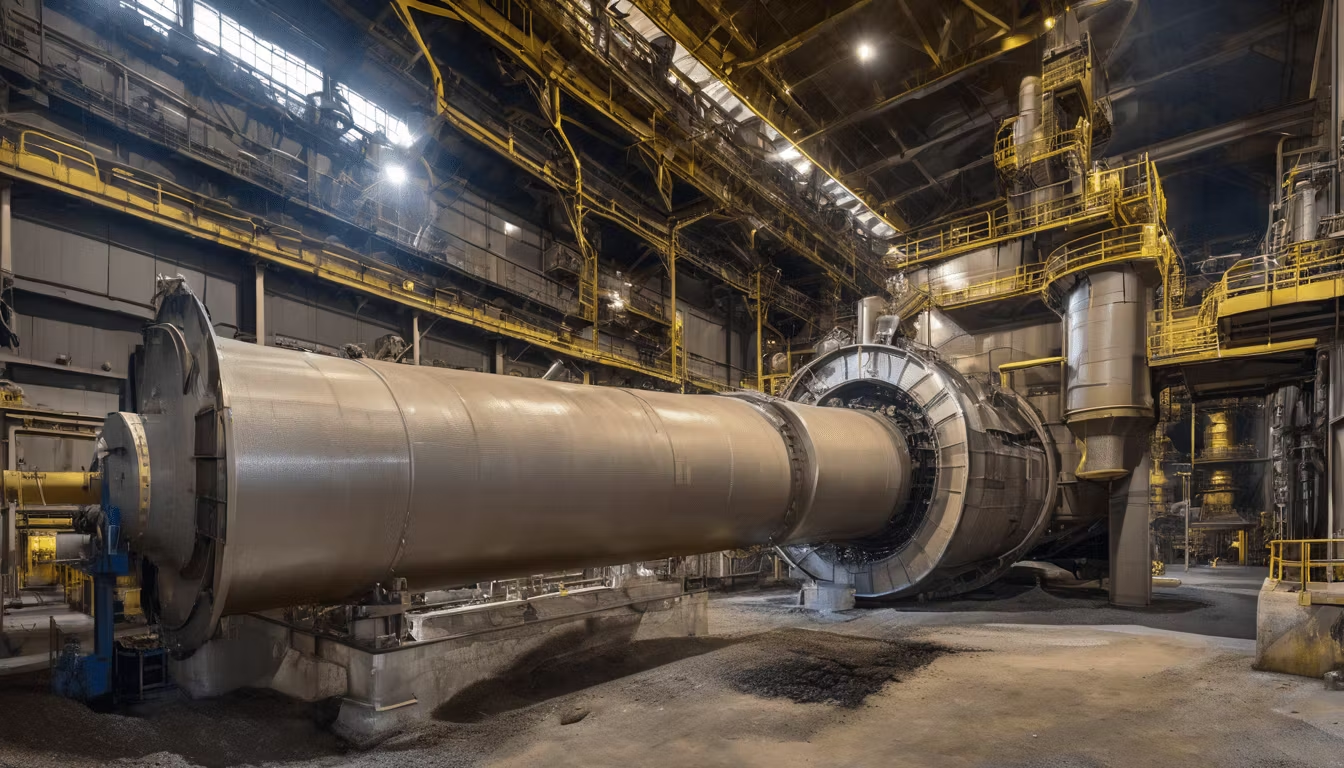
The journey from raw silica sand to finished solar panels involves multiple stages where material quality directly impacts efficiency and yield. High-purity silica is first processed through washing and concentration to remove iron oxides and other heavy minerals. This concentrated silica is then melted in electric arc furnaces at temperatures exceeding 1800°C, producing metallurgical-grade silicon (MG-Si).
This metallurgical silicon is refined further through the Siemens process, where it's converted to trichlorosilane (TCS), purified through distillation, and finally reduced back to ultra-pure silicon with purity levels reaching 99.9999999% (nine nines). Any impurities in the starting material amplify through these processing stages, making the initial silica sand quality paramount.
Applications Across Solar Component Manufacturing
Beyond silicon wafer production, high-purity silica serves multiple critical functions in photovoltaic manufacturing:
- Encapsulation Glass Layers: Solar modules use borosilicate or soda-lime silicate glass for weatherproofing and light transmission. Silica purity ensures optical clarity and mechanical strength
- Anti-Reflective Coatings: Silicon dioxide films reduce light reflection losses, requiring pure silica for consistent refractive index properties
- Front Contact Materials: Transparent conductive oxides (TCOs) often incorporate silica-based compounds to balance conductivity and transparency
- Backsheet Components: Glass-based backsheets for durability and UV resistance depend on silica quality
Global Solar Panel Manufacturing Trends and Material Demand
Market Growth and Supply Chain Dynamics
The International Energy Agency projects global solar PV capacity to reach 2,840 GW by 2050, representing unprecedented growth. This expansion translates directly into silica demand—each megawatt of installed solar capacity requires approximately 5-8 tons of high-purity silica sand in the manufacturing chain.
However, the solar industry faces supply chain volatility. Major silica producing regions face regulatory pressures and sustainability concerns, while geopolitical tensions have disrupted traditional trading routes. Indonesian mineral producers like CV Indoalam Mineral Persada have emerged as reliable alternative sources, particularly for manufacturers seeking supply chain diversification and reduced logistics costs.
Quality Assurance and Testing Standards
Reputable silica suppliers maintain rigorous testing protocols aligned with international standards. The most recognized standards include:
- ISO 8545: Silica materials testing methods and specifications
- ASTM D1029: Testing practices for purity assessment of silica products
- IEC 61215: Crystalline silicon terrestrial photovoltaic (PV) modules design qualification and type approval
Independent laboratory certification, such as SUCOFINDO testing, validates material specifications before shipment. This documentation provides manufacturers with confidence in material consistency and regulatory compliance.
Sourcing High-Quality Silica Sand for PV Applications
Direct Mine Sourcing vs. Trading Intermediaries
The traditional mineral supply chain involves multiple intermediaries—brokers, agents, and regional traders—each adding cost margins and introducing quality control variability. Direct sourcing from licensed mining operations eliminates these inefficiencies while ensuring traceability and batch consistency.
Reputable suppliers maintain IUP OPK licenses (Indonesian mineral exploitation permits) and RKAB (Rencana Kerja dan Anggaran Biaya) approval, certifying compliance with government regulations and quality standards. This institutional framework protects buyers from supply disruptions and unauthorized material sources.
Testing, Certification, and Quality Guarantees
When procuring silica sand for solar applications, establish clear specifications in purchase agreements and require:
- Pre-shipment laboratory analysis with SiO2 purity certification
- Heavy metal content verification (Fe, Al, Ti, Cr, Cu, Zn)
- Particle size distribution (PSD) analysis confirming mesh specifications
- Moisture and LOI testing confirming drying standards
- Batch traceability documentation linking each shipment to specific mining locations
Suppliers offering transparent testing through independent laboratories demonstrate commitment to quality and professional operations. Request SUCOFINDO or equivalent certification before finalizing orders exceeding 100 metric tons.
Supply Chain Flexibility and Volume Options
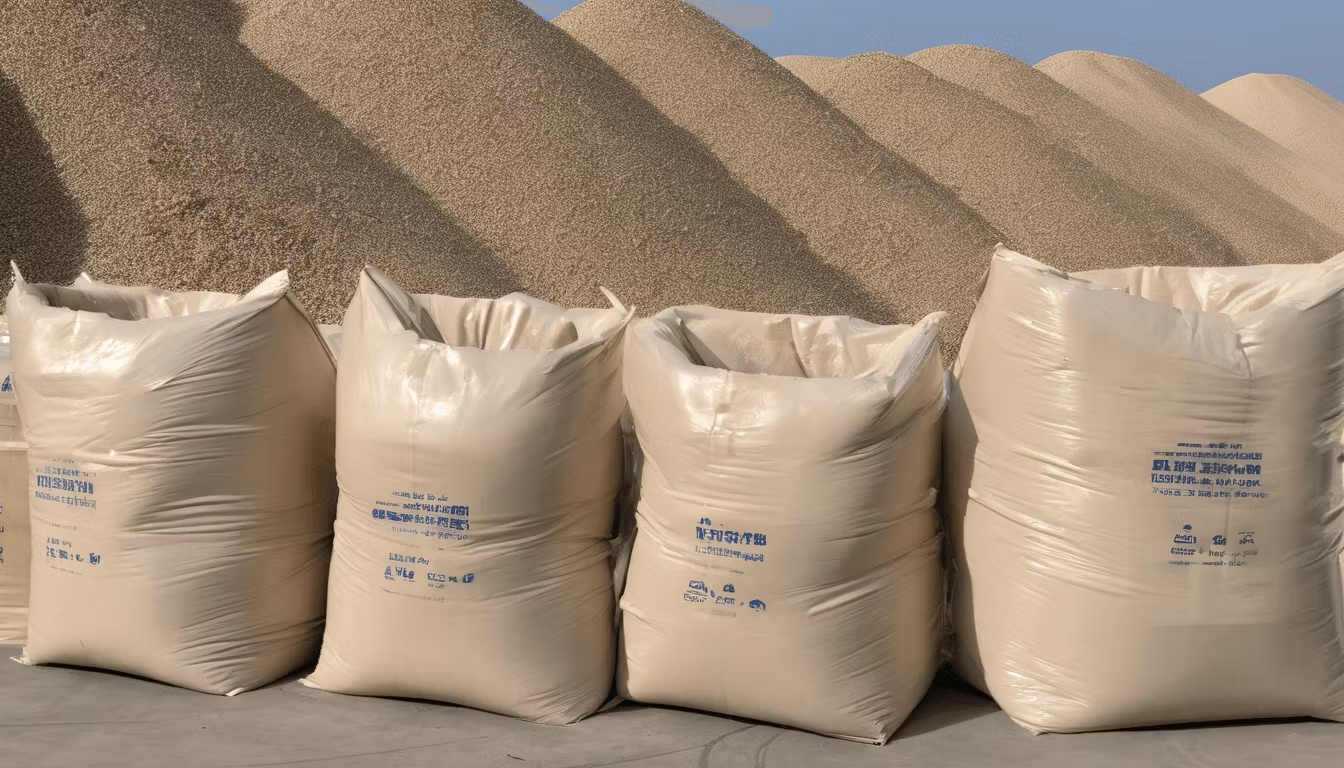
Manufacturing flexibility requires suppliers capable of accommodating variable demand. Leading suppliers offer scalable solutions from trial shipments (100 MT) through long-term supply agreements (annual contracts exceeding 2.5 million MT capacity). This flexibility allows PV manufacturers to validate material performance in production runs before committing to major volume contracts.
Indonesian Silica Sand for Global Solar Manufacturing
Geographic Advantages and Mining Regions
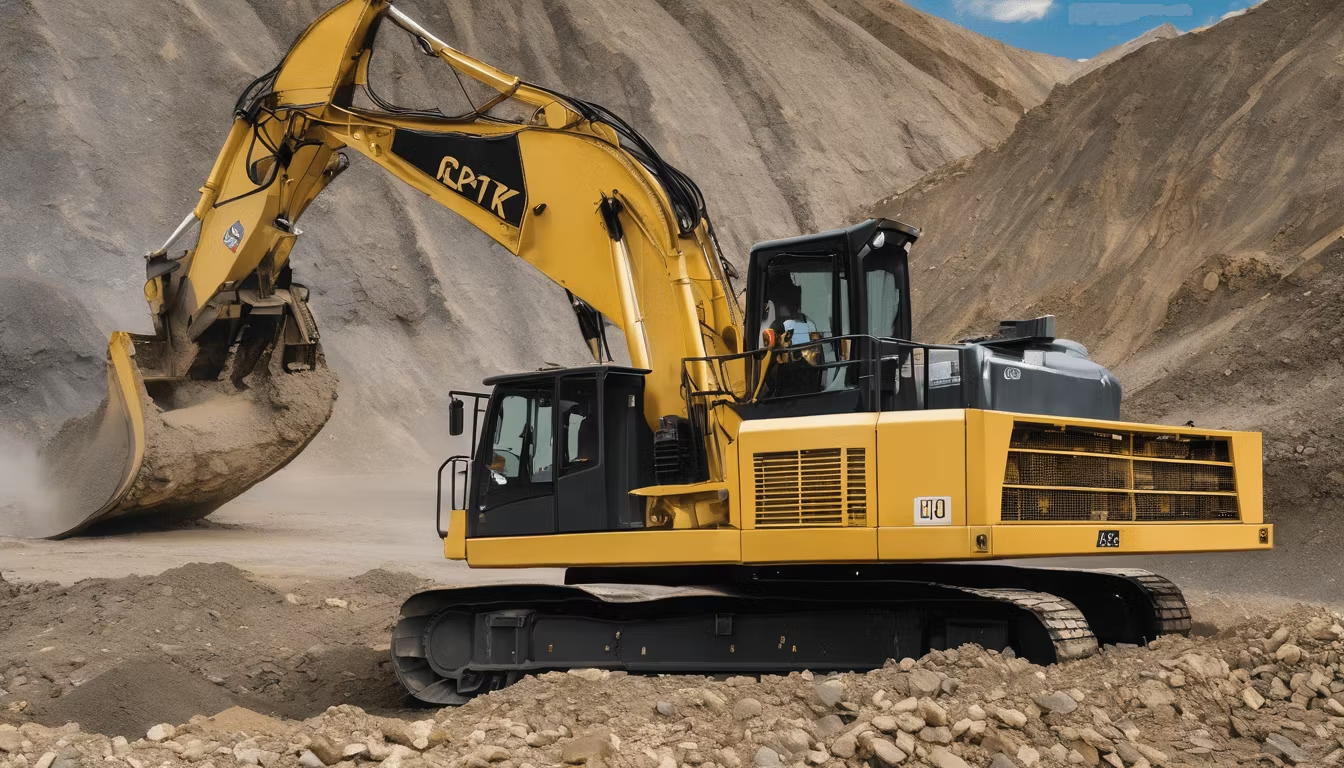
Indonesia's geology provides exceptional silica sand deposits across multiple regions. Major mining clusters in Sulawesi (Morowali, Konawe), Kalimantan, and Maluku (Halmahera) yield high-purity silica with low iron contamination—characteristics particularly valuable for solar applications. These regions benefit from established logistics infrastructure, proximity to deepwater ports, and established relationships with international traders.
The Indonesian government's commitment to mineral processing and value addition creates incentives for local refinement, meaning suppliers increasingly offer processed, concentrated silica rather than raw ore. This supports cost efficiency for international buyers while maintaining quality standards.
Competitive Pricing and Cost Advantages
Sourcing silica sand from Indonesia typically offers 15-25% cost advantages compared to traditional suppliers in North America or Europe, particularly when establishing direct relationships with licensed producers. Reduced intermediary margins, lower labor costs, and favorable logistics from Indonesian ports to Asian, European, and American manufacturing hubs create compelling value propositions.
Long-term contracts establishing volume commitments further improve pricing while guaranteeing supply security for production planning.
Overcoming Common Sourcing Challenges
Quality Consistency and Batch Variability
Inexperienced suppliers sometimes deliver inconsistent material quality across shipments, creating production challenges. Mitigate this risk by:
- Establishing fixed specifications with acceptable variance limits (±0.05% SiO2, ±25 ppm heavy metals)
- Requiring test certificates for every shipment, not periodic spot checks
- Building in payment contingencies based on confirmed test results
- Starting with trial orders to validate supplier consistency before expanding volume
Regulatory Compliance and Documentation
International shipments require extensive documentation: certificates of origin, health and safety certifications, phytosanitary clearances (where applicable), and regulatory compliance affidavits. Established suppliers maintain documented compliance with ISO standards and maintain relationships with customs brokers and logistics partners experienced in mineral trade.
Logistics and Inventory Management
Silica sand is relatively low-value per unit volume, making transportation costs significant. Bulk ocean shipping in 20-foot containers (approximately 20-24 MT per container) reduces per-ton costs. Negotiate freight terms carefully, and consider consolidation strategies with other materials to optimize shipping efficiency.
Evaluating Supplier Reliability and Partnership Potential
Key Due Diligence Criteria
When selecting a silica supplier for solar manufacturing, evaluate:
- Licensing and Legal Compliance: Verify IUP OPK status, RKAB approval, and absence of regulatory violations
- Production Capacity: Confirm supplier capacity exceeds your peak demand requirements
- Testing Infrastructure: Assess in-house or contracted laboratory capabilities and certification standards
- Supply Chain Visibility: Require traceability documentation linking material to specific mining operations
- Financial Stability: Evaluate company capitalization and banking relationships indicating operational stability
- Customer References: Request contact information for existing clients in semiconductor, solar, or glass manufacturing sectors
Building Long-Term Strategic Partnerships
The most successful material sourcing relationships extend beyond transactional purchasing. Establish partnerships with trusted suppliers willing to invest in customized solutions, maintain consistent quality, and collaborate on process improvements. These relationships provide competitive advantages through preferential pricing, priority allocation during supply shortages, and collaborative innovation.
Future Trends in Solar-Grade Silica Sourcing
Sustainability and ESG Considerations
Environmental, social, and governance (ESG) criteria increasingly influence material sourcing decisions. Leading solar manufacturers prioritize suppliers demonstrating responsible mining practices, water management, community engagement, and rehabilitation commitments. Indonesian producers with certified environmental management systems align with these corporate objectives.
Circular Economy and Recycled Silica
Technological advances in silicon recycling may gradually reduce virgin silica demand. However, recycled silicon currently represents less than 5% of market supply, and growth remains limited by technical challenges. For the foreseeable future, primary silica sourcing will dominate solar manufacturing supply chains.
Geographic Diversification and Supply Resilience
Recent supply chain disruptions have demonstrated the value of geographic diversification in critical material sourcing. Manufacturers increasingly maintain relationships with suppliers across multiple regions—Southeast Asia, Australia, North America, and Europe—reducing dependency on any single source.
Conclusion: Strategic Sourcing of Solar-Grade Silica Sand
The connection between silica sand quality and photovoltaic performance remains absolute. As solar capacity installations accelerate globally, securing reliable, high-purity material sources becomes a competitive imperative. Indonesian suppliers offering certified, tested silica sand with transparent compliance documentation present compelling alternatives to traditional Western sources, particularly for manufacturers seeking supply chain diversification and cost optimization.
CV Indoalam Mineral Persada stands as a trusted partner in this sourcing landscape. With IUP OPK licensing, SUCOFINDO-tested material quality, RKAB approval, and annual capacity exceeding 2.5 million metric tons of silica sand, Indoalam delivers the consistency, documentation, and reliability that solar manufacturers demand.
Whether you require trial shipments to validate material performance or establish long-term supply agreements, Indoalam's direct-from-mine approach eliminates intermediaries while maintaining the quality standards essential for photovoltaic manufacturing. Explore how our silica sand solutions align with your production requirements by contacting us today for detailed specifications, pricing, and supply chain solutions tailored to your manufacturing operations.