Iron Content in Silica Sand: Why Fe2O3 Levels Matter for Glass
Introduction: The Critical Role of Iron Content in Silica Sand
Silica sand is one of the most fundamental raw materials in industrial manufacturing, serving as the primary feedstock for glass production, ceramics, foundries, and countless other applications. However, not all silica sand is created equal. Among the numerous quality parameters that manufacturers evaluate, one factor stands out as particularly critical for glass producers: iron content in silica sand.
The presence of iron oxide—measured as Fe2O3—in silica sand directly impacts the final product's optical properties, aesthetic quality, and commercial viability. For industries dependent on high-grade materials, understanding Fe2O3 specifications isn't optional; it's essential to meeting production standards and maintaining market competitiveness.
This comprehensive guide explores why iron content matters, how it affects your operations, and what specifications you should demand from your suppliers.
What is Iron Content in Silica Sand?
Understanding Fe2O3 and Iron Oxide Impurity
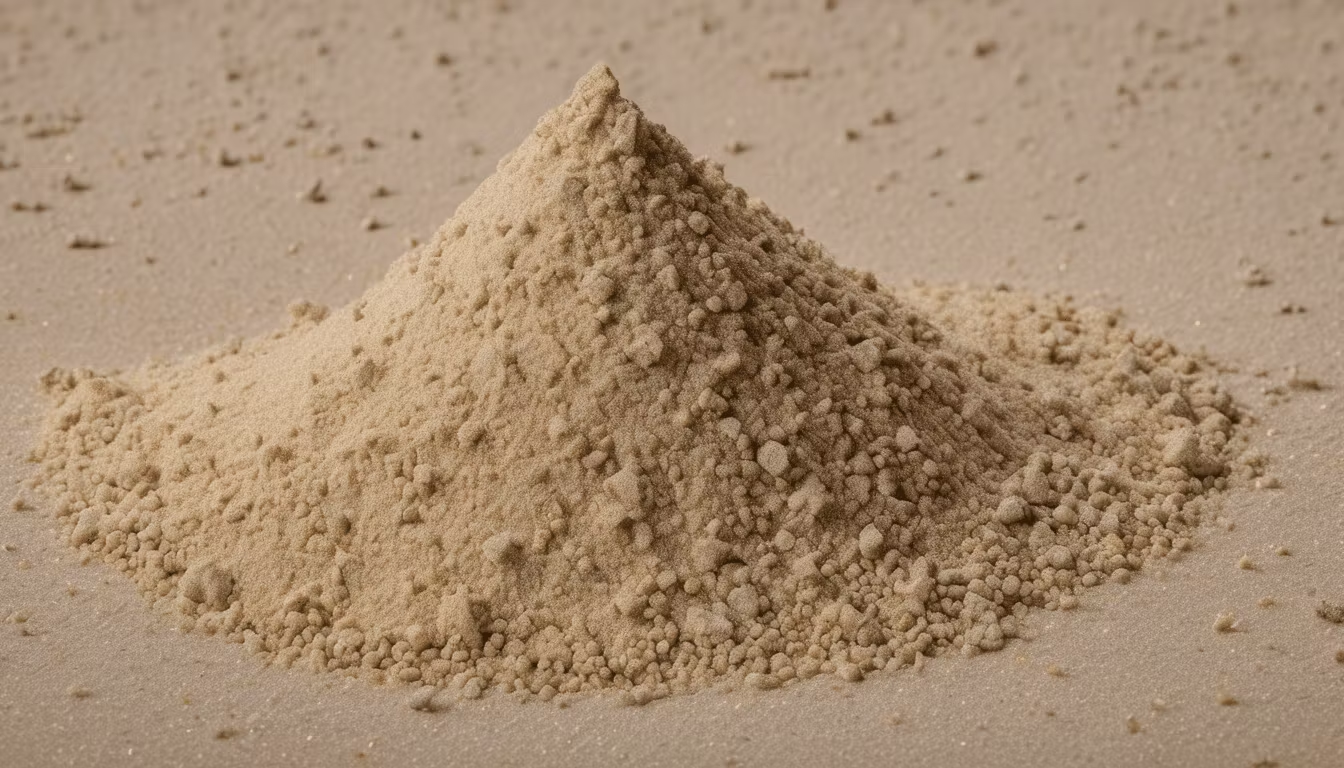
Iron content in silica sand refers to the presence of iron oxides—primarily ferric oxide (Fe2O3)—and other iron-bearing minerals distributed throughout the sand grains. These compounds occur naturally during the geological formation of silica deposits and become concentrated depending on the ore body's composition and the extraction method used.
Iron oxide impurity levels are typically measured as a percentage by weight (% Fe2O3) during laboratory analysis. Industrial silica sand grades can range from:
- Standard industrial grade: 0.5–2.0% Fe2O3
- High-purity glass grade: 0.05–0.20% Fe2O3
- Ultra-pure optical grade: <0.05% Fe2O3
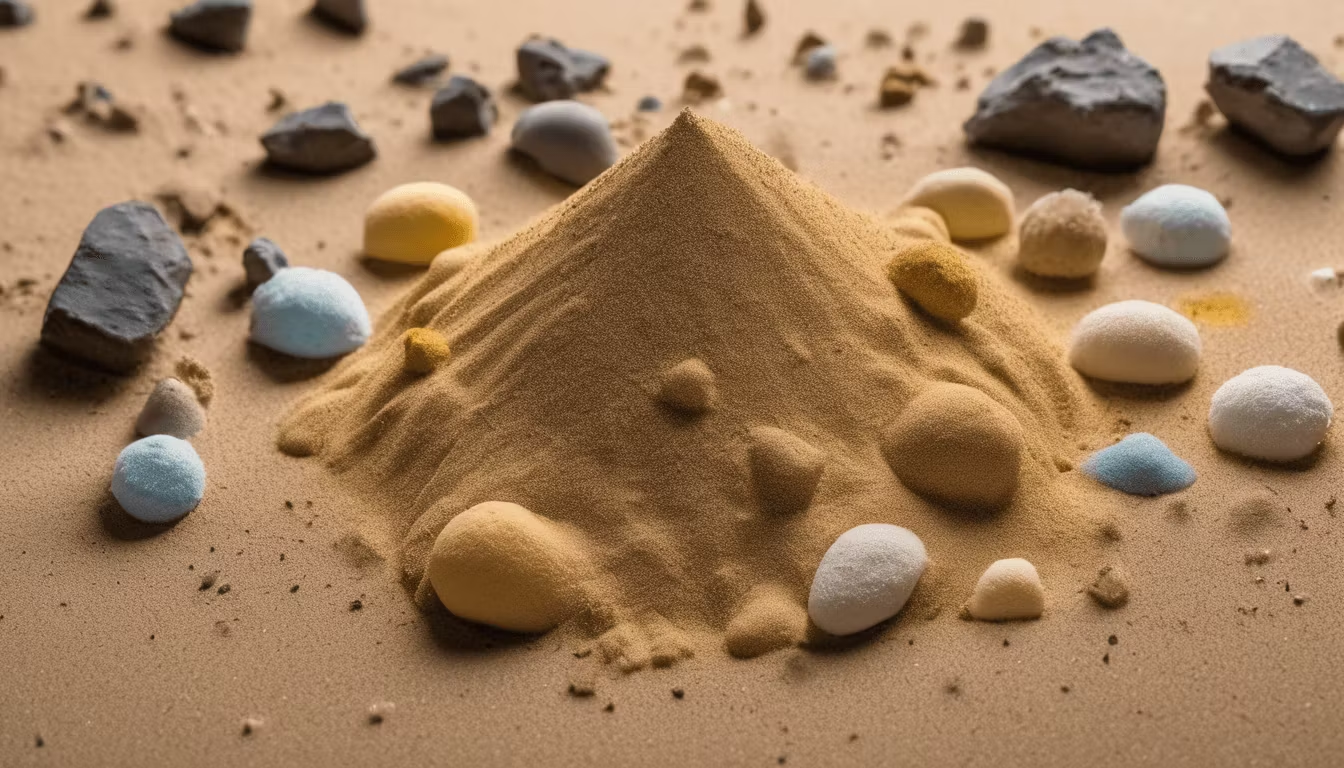
The origin of iron in silica sand varies. Iron-bearing minerals like magnetite, hematite, and limonite can be physically mixed with quartz grains or chemically bonded within the crystal structure. This distinction matters because surface-bound iron can sometimes be partially removed through beneficiation processes, while structurally incorporated iron cannot.
How Iron Enters Silica Sand Deposits
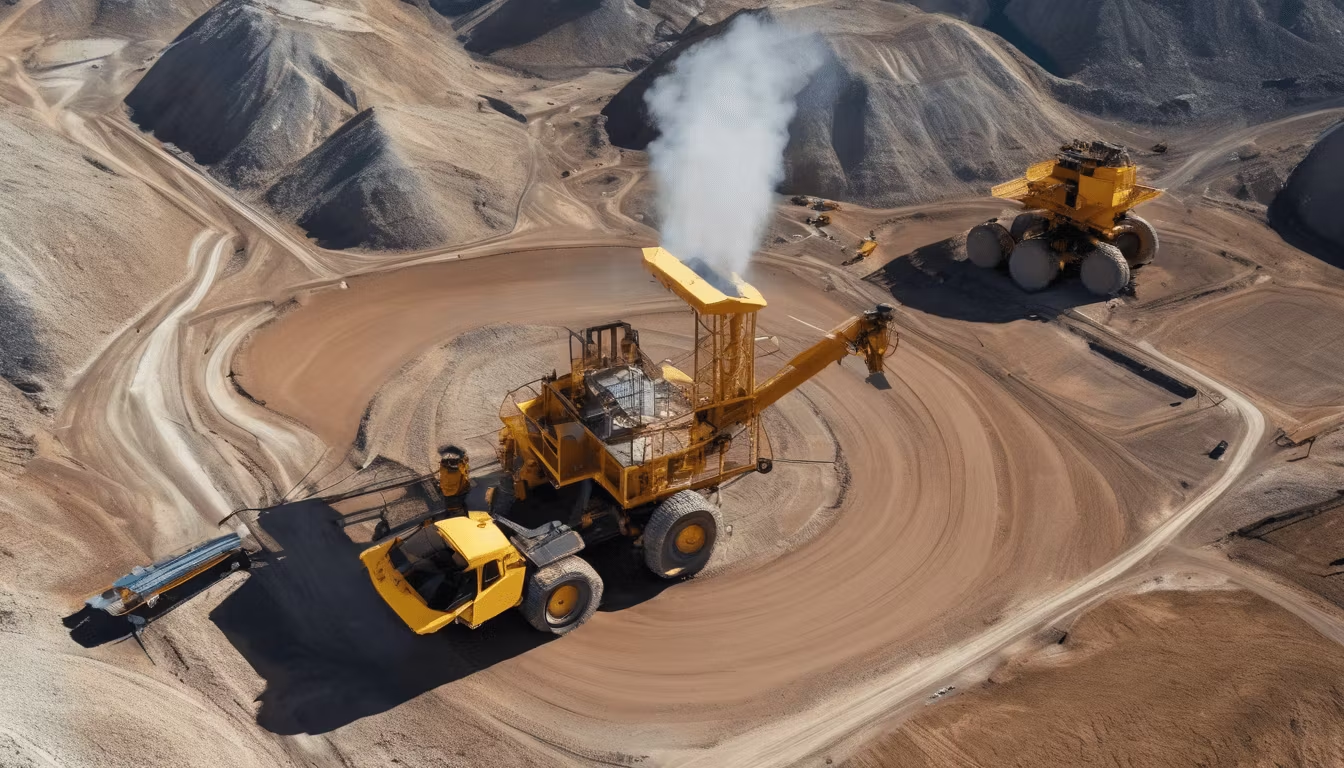
During the weathering and transportation of silica-bearing rock formations, iron minerals accumulate alongside quartz. In tropical environments—particularly in Indonesia's major sourcing regions like Sulawesi and Kalimantan—weathering processes are accelerated, leading to higher concentrations of iron compounds. The quality of silica sand depends significantly on the geological setting and extraction practices used by producers.
Why Fe2O3 Levels Matter for Glass Manufacturing
The Impact on Glass Color and Transparency
The primary reason iron content silica sand specifications are so stringent in the glass industry is straightforward: iron is a chromophore. At even minimal concentrations, iron oxides impart a distinct greenish or brownish tint to clear glass.
For float glass producers manufacturing clear architectural glass, windshields, or container glass, this color shift is commercially unacceptable. Consumers expect pristine transparency. Even a single percentage point of iron oxide can render otherwise pure silica sand unsuitable for premium applications.
The mechanism is simple: Fe3+ ions in the glass matrix absorb specific wavelengths of visible light (particularly in the 400–550 nanometer range), reducing light transmission and creating an undesirable hue. This cannot be corrected after melting; it must be prevented at the raw material stage.
Effects on Glass Strength and Durability
Beyond aesthetics, Fe2O3 sand impacts the physical properties of the finished glass. Iron oxides can:
- Reduce chemical durability – Iron-containing glasses are more susceptible to corrosion and leaching when exposed to acidic or alkaline environments
- Affect thermal properties – Iron inclusions can create stress points that reduce thermal shock resistance
- Alter refractive properties – Precision optical applications (camera lenses, scientific instruments) cannot tolerate iron contamination
- Influence UV transmission – For applications requiring UV-transparent glass, iron is particularly problematic
For high-performance glass applications—such as solar panels, laboratory glassware, and specialized optics—these effects can be decisive factors in supplier selection.
Industry Standards and Specifications for Low Iron Silica
International Glass Industry Standards
Most major glass manufacturers reference international standards when specifying raw material requirements for low iron silica. Common benchmarks include:
- ASTM C602: Specifies Fe2O3 content <0.04% for optical glass applications
- ISO 9001-certified producers: Typically maintain Fe2O3 <0.30% for container glass
- Float glass standards: Generally require <0.10% Fe2O3 for clear glass
- Solar glass specifications: Demand <0.05% Fe2O3 to minimize light absorption
Certifications matter. Producers like CV Indoalam Mineral Persada that maintain SUCOFINDO laboratory testing and full IUP OPK licensing can provide documented proof of Fe2O3 content, enabling transparent supply chain management.
Buyer Verification Requirements
Prudent glass manufacturers implement rigorous testing protocols:
- Third-party lab analysis – Independent verification of iron content per batch
- Supplier certifications – Review of mining licenses, quality management systems, and audit records
- Sample testing before bulk orders – Trial quantities to validate consistency
- Supply chain documentation – Traceability from mine to delivery
These safeguards ensure consistent glass quality and protect against supply disruptions caused by material non-conformance.
The Real-World Effects of High Iron Content
Production Challenges and Costs
When silica sand with excessive iron oxide enters a glass furnace, several problems emerge:
- Color correction attempts – Glass makers may add cobalt oxide or other decolorizers to mask iron-induced tinting, increasing material costs and complexity
- Batch consistency issues – Fluctuating iron levels require constant formula adjustments, reducing efficiency
- Equipment wear – Iron-bearing glass can form refractory oxides that erode furnace linings faster, increasing maintenance costs
- Product downgrading – Glass intended for clear applications must be downgraded to colored or industrial grades, reducing profit margins
Industry-Specific Impacts
For ceramic and tile producers: While iron tolerance is higher than for glass, excessive iron can cause surface discoloration and reduce the vibrancy of glazed finishes.
For solar panel manufacturers: Iron in the silica component of solar glass reduces light transmittance by 0.3–0.5% per percentage point of Fe2O3, directly reducing module efficiency and return on investment.
For water treatment facilities: Silica sand used in filtration media must maintain low iron levels to prevent iron leaching into treated water, which can cause staining and taste issues.
Sourcing Strategies for Low Iron Silica Sand
Geological Considerations
Not all silica sand deposits are equal. Deposits formed in iron-poor geological environments—such as ancient quartz sandstones or residual weathering products of low-iron granites—naturally yield lower-iron material. Indonesian deposits in Sulawesi's Morowali and Konawe regions, for instance, can produce higher-purity silica sand when properly extracted.
Processing and Beneficiation Methods
Iron oxide impurity removal relies on several techniques:
- Magnetic separation – Removing ferromagnetic minerals using high-intensity magnets
- Wet gravity concentration – Exploiting density differences to separate heavy iron minerals
- Acid leaching – Selectively dissolving surface iron oxides (more effective for fine-grained deposits)
- Advanced flotation – Using chemical reagents to selectively float iron minerals away from silica
Established producers invest in modern beneficiation infrastructure to achieve consistent low iron silica output. Smaller or informal operations typically cannot match these quality standards.
Supplier Evaluation Criteria
When selecting a silica sand supplier, demand:
- Transparent documentation of mining locations and geological characterization
- Third-party lab certifications (SUCOFINDO in Indonesia, ISO-accredited labs internationally)
- Demonstrated track record with glass industry clients
- Flexible supply arrangements—from trial quantities to bulk contracts
- Willingness to sign quality agreements with specific Fe2O3 limits
Direct sourcing from licensed producers eliminates middleman markups and improves traceability.
Choosing the Right Silica Sand Partner
Why Partnership Matters
Sourcing silica sand for glass manufacturing isn't a commodity transaction. It's a strategic partnership that affects your production efficiency, product quality, and market position.
A reliable supplier provides:
- Consistent iron content within specification
- Rapid response to quality concerns or supply adjustments
- Technical expertise to support your formulation optimization
- Flexible volume arrangements without sacrificing quality
- Full regulatory and quality documentation
CV Indoalam Mineral Persada exemplifies these characteristics, offering SUCOFINDO-tested silica sand with documented Fe2O3 levels across multiple mesh grades (8–200), supporting everything from trial shipments to 2.5 million metric tons annually.
Conclusion: Making Informed Sourcing Decisions
The seemingly technical specification of Fe2O3 content in iron content silica sand carries outsized importance in glass manufacturing and related industries. A single percentage point of excess iron oxide can transform premium-grade feedstock into substandard material, forcing costly workarounds or product downgrades.
For glass manufacturers, ceramics producers, and other industries dependent on high-purity silica, the solution is clear: partner with licensed, quality-certified producers who invest in beneficiation, maintain transparent testing protocols, and demonstrate commitment to consistent specifications.
If you're sourcing silica sand for glass production or other demanding applications, contact us at CV Indoalam Mineral Persada. With IUP OPK licensing, SUCOFINDO laboratory certification, and direct sourcing from premium deposits in Sulawesi and Kalimantan, we deliver low iron silica that meets the exacting standards of leading glass manufacturers across Indonesia and internationally. From trial quantities to large-scale contracts, we're equipped to support your production requirements with transparent quality assurance and technical expertise.
Ready to secure premium silica sand for your operations? Discover how Indoalam's certified, low-iron silica sand can optimize your glass production performance and reduce raw material variability. Get in touch today for pricing, technical specifications, and delivery arrangements tailored to your needs.