Float Glass Manufacturing: Why Silica Sand Purity Is Critical
Introduction: The Silent Foundation of Premium Float Glass
Float glass has revolutionized the architectural and automotive industries since its invention in 1959. Yet few people realize that the quality of the final product depends heavily on one critical raw material: silica sand. For float glass manufacturers, silica sand purity isn't just a specification—it's the foundation of competitive advantage.
In today's competitive glass manufacturing landscape, producers face mounting pressure to deliver crystal-clear, defect-free glass while managing rising production costs. The purity of your silica sand directly impacts everything from production yield to final product quality. A single percentage point of impurity can result in visible defects, color variations, and reduced structural integrity.
This comprehensive guide explores why silica sand purity matters in float glass manufacturing, what quality standards you should demand, and how to source reliable high-purity materials from trusted suppliers.
Understanding Float Glass Manufacturing Process
The Float Glass Method: An Overview
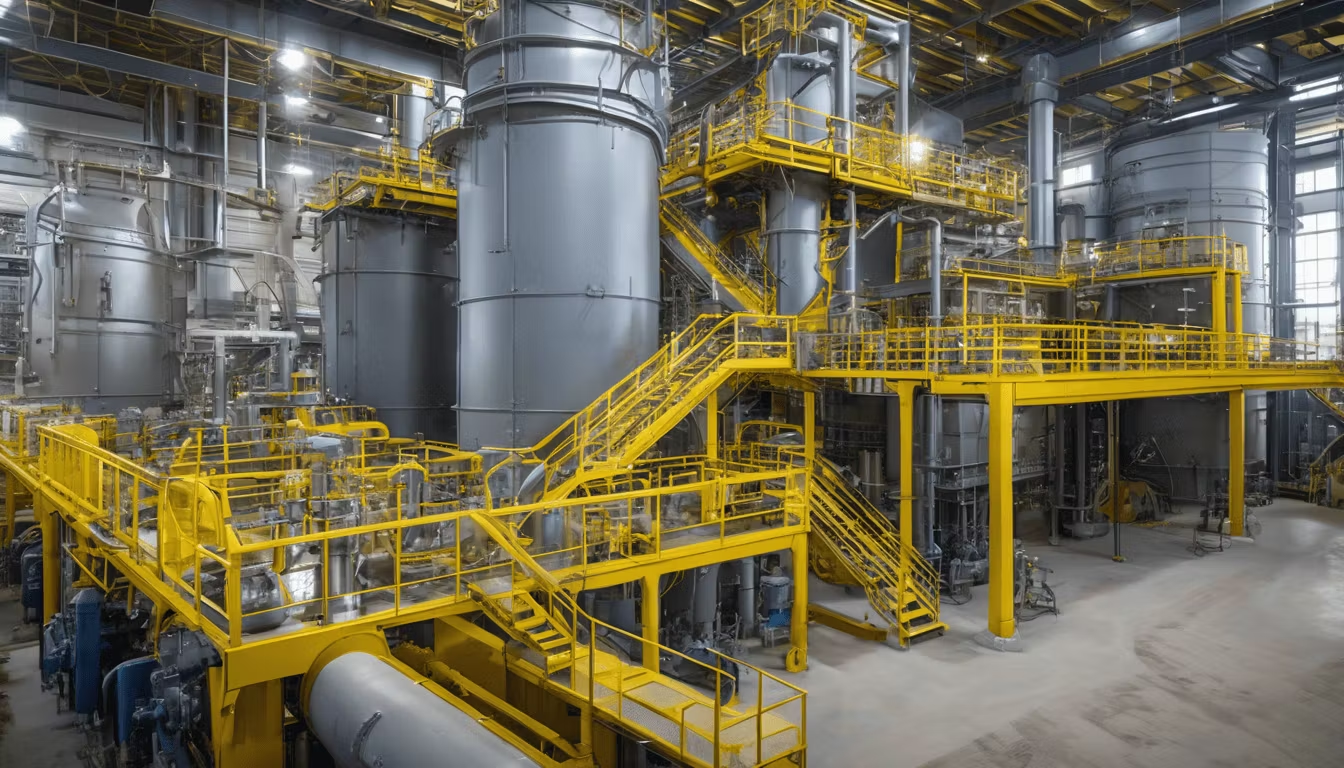
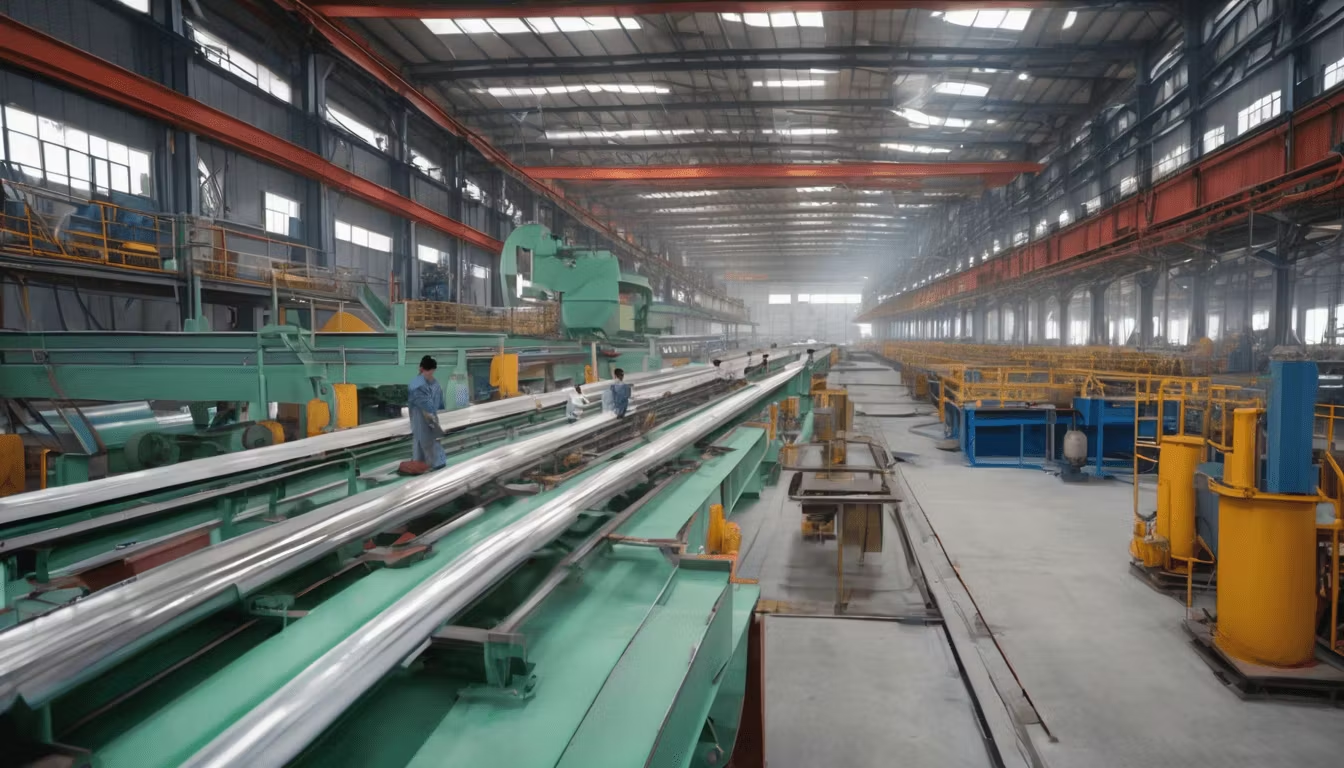
The Pilkington float glass process represents the global standard for producing flat glass. Raw materials—including silica sand, soda ash, limestone, and various chemical additives—are melted together in a furnace reaching temperatures of 1,700°C (3,090°F). This molten mixture is then poured onto a bed of molten tin, where it floats and naturally levels to create perfectly flat surfaces.
The process is elegant in its simplicity but unforgiving in its demands for material quality. Any suspended particles, metallic contaminants, or organic compounds introduced through raw materials can create permanent defects that pass through to the finished glass.
Why Silica Sand Dominates Float Glass Formulations
Silica (SiO2) comprises 70-75% of typical float glass formulations. This dominance reflects silica's fundamental role in glass chemistry: it provides the glassy network structure that gives glass its transparency, hardness, and chemical resistance. Higher SiO2 content improves:
- Optical clarity: Fewer impurities mean fewer light scattering centers and superior transparency
- Durability: Higher silica content increases chemical resistance and weathering performance
- Thermal stability: Pure silica reduces thermal shock susceptibility and warping
- Production efficiency: Fewer contaminants reduce furnace maintenance and refractory erosion
The Critical Importance of SiO2 99% Purity Standards
How Purity Affects Final Glass Quality
When we specify SiO2 99%, we're establishing a threshold where only 1% of the material comprises iron oxides, alumina, titania, and trace elements. This seemingly small tolerance has enormous practical consequences:
Iron Oxide Impact: Iron compounds are the primary culprit behind unwanted glass coloration. Even 0.05% iron oxide can impart a noticeable green tint to clear glass. Float glass manufacturers targeting crystal-clear products typically demand iron oxide levels below 0.03%. Silica sand with inadequate purification allows iron-bearing minerals to pass through, forcing manufacturers to either accept colored glass or implement expensive downstream purification processes.
Alumina and Refractories: Alumina (Al2O3) and other ceramic oxides can react with furnace refractories, accelerating erosion and increasing maintenance costs. Contaminated silica sand accelerates this deterioration, leading to production downtime and refractory replacement expenses that dwarf the cost savings from purchasing cheaper material.
Metallic Contaminants: Copper, chromium, cobalt, and other transition metals act as glass colorants at concentrations as low as parts per million. A single contaminated shipment can require dumping entire furnace batches, representing losses of hundreds of thousands of dollars.
Production Yield and Cost Implications
Glass manufacturers operate on thin margins. A 2% improvement in production yield can swing an operation from break-even to highly profitable. High-purity silica sand improves yields through:
- Reduced defect rates: Fewer contaminant particles mean fewer optical defects requiring rejection
- Lower refractory consumption: Pure silica reduces chemical attack on furnace linings
- Improved melting efficiency: Contaminants require additional energy to melt and incorporate
- Extended furnace life: Cleaner raw materials preserve refractory integrity
Across a year of continuous production, these factors compound to create measurable financial benefits that exceed the cost premium of sourcing high-purity material.
Float Glass Industry Quality Standards and Specifications
International Standards and Testing Requirements
Float glass manufacturers follow strict quality protocols established by international standards organizations:
ISO 1338 Standards: These define float glass thickness tolerances, optical properties, and dimensional accuracy. While ISO 1338 doesn't directly specify raw material composition, it establishes the performance benchmarks that silica sand quality must support.
ASTM C279: The American standard for glass sand specifies maximum allowable levels for:
- SiO2 content (typically 99.0-99.8%)
- Iron oxide as Fe2O3 (usually 0.02-0.05%)
- Alumina (typically below 0.2%)
- Moisture content (less than 0.5%)
- Grain size distribution (typically 65-200 mesh for float glass)
EN 12337 (European Standard): European float glass producers often reference this standard, which establishes similar or more stringent requirements than ASTM specifications.
The Role of Third-Party Testing and Certification
Reputable silica sand suppliers undergo third-party laboratory analysis from accredited testing organizations. SUCOFINDO testing, conducted by Indonesian certification authorities, verifies material composition through X-ray fluorescence (XRF) analysis, ensuring accurate SiO2 percentages and contaminant level documentation. This independent verification protects glass manufacturers by providing objective evidence that incoming materials meet specified standards.
Sourcing High-Purity Silica Sand: What Glass Manufacturers Need to Know
Direct Mining Sources vs. Trading Intermediaries
The silica sand supply chain traditionally involves multiple intermediaries—mining companies, regional wholesalers, commodity traders, and logistics providers. Each intermediary adds costs and introduces handling risks that can compromise material quality through cross-contamination, moisture absorption, or particle breakdown during transport.
Forward-thinking glass manufacturers increasingly work directly with licensed mining operations that control quality from extraction through delivery. This direct relationship eliminates supply chain friction and provides greater traceability and consistency. A direct supplier can explain exactly which deposit region the material originates from, how it was processed, and when it was extracted—information that matters when maintaining consistent production specifications.
Geographic Sourcing Considerations
Silica sand quality varies significantly based on deposit geology and processing methods. Indonesian deposits, particularly those in Sulawesi (Morowali, Konawe regions) and Kalimantan, are renowned for high-purity silica characteristics. These deposits formed under conditions that naturally minimize iron contamination, making them ideal for float glass applications. Sourcing from established Indonesian mining regions with proper IUP OPK licensing ensures compliance with Indonesian environmental and quality standards while providing access to premium material.
Key Supplier Qualifications to Verify
When evaluating silica sand suppliers, confirm these essential credentials:
- IUP OPK License: Indonesian mining permit confirming legal mineral extraction authority
- SUCOFINDO Certification: Third-party laboratory testing confirming material composition
- RKAB Approval: Environmental management plan approval demonstrating sustainable practices
- Consistent Testing Records: Historical lab results showing material quality consistency over time
- Supply Capacity Alignment: Supplier ability to meet your volume requirements without quality compromise
Technical Specifications for Float Glass Silica Sand
Mesh Grade and Particle Size Distribution
Float glass manufacturers typically utilize silica sand in the 8-200 mesh range, with specific grain size distribution optimized for furnace melting characteristics. Finer grades (100-200 mesh) melt more rapidly and completely, reducing energy consumption. Coarser grades (8-60 mesh) provide structural support in the furnace batch. A well-designed silica sand supply includes multiple mesh grades allowing manufacturers to optimize their specific furnace operating conditions.
Moisture and Physical Properties
Moisture content must remain below 0.5% by weight to prevent batch segregation and furnace foaming. Additionally, silica sand should demonstrate:
- Bulk density: 1,400-1,600 kg/m³ (depending on grain size)
- Bulk loose density: Minimum 1,350 kg/m³
- Hardness: Mohs scale 7+ (resistant to crushing during handling)
- Abrasion resistance: Minimal particle breakdown during transport and conveying
Common Purity Issues and Their Consequences
Iron Oxide Contamination: The Primary Challenge
Iron oxides represent the most common purity challenge in silica sand sourcing. Iron-rich minerals like magnetite and hematite can easily blend with silica during extraction or processing. Even small percentages significantly impact glass color. Float glass intended for:
- Solar panels: Demands ultra-pure material (SiO2 99.7%+, Fe2O3 below 0.02%) to maximize light transmission
- Architectural applications: Typically requires SiO2 99.0-99.5% and Fe2O3 below 0.05%
- Automotive glass: Often tolerates slightly higher iron but requires consistency
Producers attempting to save costs with lower-purity sand often face customer rejection, requiring costly remelt or disposal.
Organic and Microbial Contamination
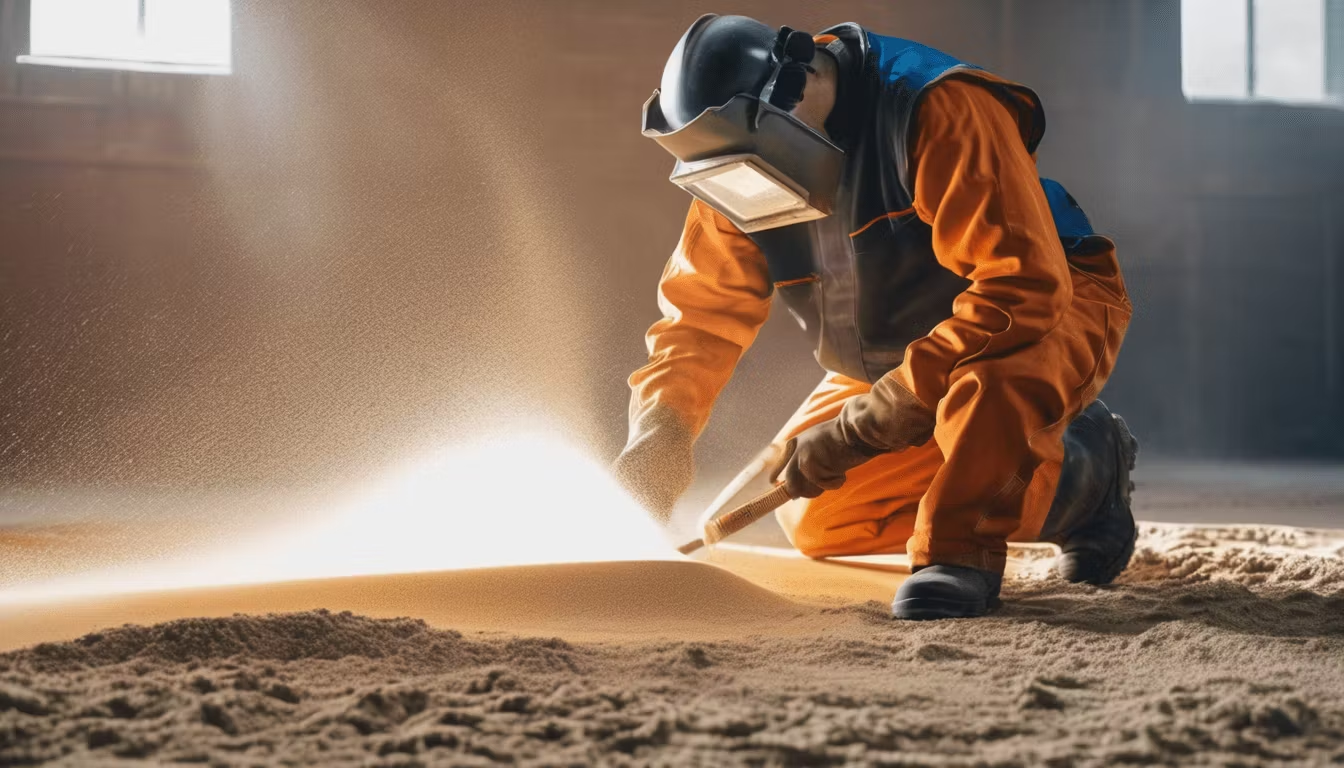
Silica sand stored in humid conditions can develop biofilm coatings or microbial growth. These organic contaminants introduce gases during melting that compromise glass clarity. Proper storage facilities with moisture control and regular testing prevent this costly issue.
Building Strong Supplier Relationships for Quality Assurance
Establishing Clear Quality Agreements
Successful long-term silica sand sourcing relationships depend on explicit written agreements specifying:
- Target SiO2 content and allowable variance
- Maximum levels for each significant impurity
- Mesh grade specifications and grain size distribution tolerances
- Testing frequency and responsibility (supplier, third-party, or shared)
- Acceptance/rejection criteria and dispute resolution procedures
- Supply consistency commitments (batch-to-batch variance limits)
These agreements protect both supplier and customer by establishing clear expectations and procedures for resolving quality issues.
Leveraging Flexibility and Scale
Leading suppliers offer flexible arrangements accommodating both trial quantities and full-scale contracts. Starting with small shipments (100 MT) allows comprehensive quality evaluation before committing to large volumes. Once quality and reliability are confirmed, suppliers can typically accommodate steady-state purchases ranging from several hundred to millions of tons annually, depending on manufacturer scale.
Why Partner with CV Indoalam Mineral Persada
Float glass manufacturers seeking reliable, high-purity silica sand sourcing should consider CV Indoalam Mineral Persada as a strategic partner. Based in Indonesia's richest mineral regions, we provide direct-from-mine access to premium silica sand with SiO2 content reaching 99.74%—exceeding the requirements of even the most demanding float glass producers.
Our competitive advantages include:
- Direct Mining Operations: No intermediaries means transparent sourcing and superior quality control from extraction through delivery
- Full Regulatory Compliance: IUP OPK licensing, SUCOFINDO laboratory testing, and RKAB environmental approval ensure that every shipment meets international standards
- Geographic Advantage: Access to premium silica deposits in Sulawesi, Kalimantan, and Maluku provides consistent, high-quality material with natural low iron characteristics
- Flexible Supply Structure: Whether you require 100 MT trial quantities or sustained 2.5 million MT annual contracts, we offer scalable solutions tailored to your production requirements
- Multiple Mesh Grades: We supply silica sand in 8-200 mesh specifications, allowing you to optimize your specific furnace operating conditions and energy efficiency
- Proven Track Record: Our supply relationships with major industrial operations across Indonesia demonstrate consistent delivery and quality performance
Contact us to discuss your silica sand requirements and learn how our direct mining sourcing can improve your float glass production efficiency and product quality.
Conclusion: Making the Investment in Quality
Float glass manufacturers operate in a competitive market where product quality directly influences customer loyalty and market positioning. The choice of silica sand supplier represents a critical decision with long-term consequences for production efficiency, product quality, and profitability.
While ultra-pure silica sand may carry a modest cost premium compared to lower-grade alternatives, this investment consistently returns value through improved production yields, reduced refractory consumption, fewer quality rejections, and enhanced product performance. The mathematics are compelling: the cost of a single furnace refractory replacement or large batch rejection typically exceeds the annual cost premium for sourcing premium-grade material.
By partnering with suppliers who prioritize quality, maintain rigorous testing protocols, and provide full transparency regarding material sourcing and composition, you protect your operation while gaining competitive advantages in product clarity, durability, and performance.