Float Glass Manufacturing: Why Silica Sand Purity Is Critical

Float Glass Manufacturing: Why Silica Sand Purity Is Critical
The global float glass industry produces over 50 million metric tons annually, supplying everything from automotive windshields to architectural facades. Yet most end-users never consider the raw material foundation that makes this possible: high-purity silica sand.
For float glass manufacturers, the quality of silica sand isn't just a specification—it's the difference between premium products and costly defects. In this guide, we'll explore why silica sand purity matters so much, how it affects the glass manufacturing process, and what B2B buyers should look for when sourcing this critical raw material.
Understanding Float Glass and Its Raw Material Requirements
Float glass, invented by Alastair Pilkington in 1959, revolutionized flat glass production. The process involves melting raw materials at approximately 1700°C and floating the molten glass over molten tin, creating perfectly flat surfaces without grinding or polishing.
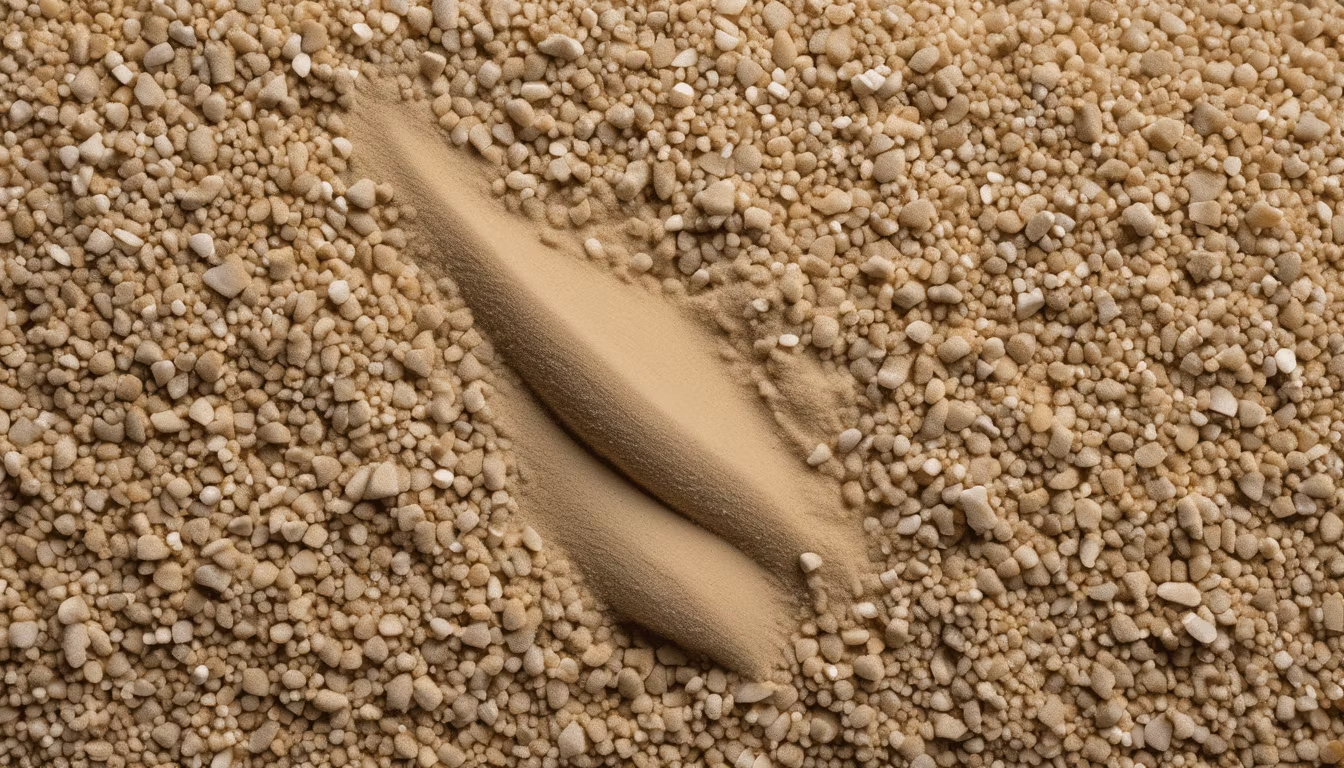
The primary ingredient in float glass formulation is silica (SiO2), which typically comprises 70-75% of the final product by weight. Other components include soda ash (sodium carbonate), limestone (calcium carbonate), and various additives—but silica sand remains the foundational material that determines the glass's optical clarity, durability, and light transmittance.
This is why float glass manufacturers demand exceptionally pure silica sand. Even minor impurities can propagate through the entire production batch, affecting product quality and creating expensive waste.
How Silica Sand Purity Impacts Glass Quality
Optical Clarity and Light Transmission
Float glass used in premium applications—solar panels, high-end automotive glass, and architectural installations—requires exceptional optical clarity. When silica sand contains iron oxide, titanium dioxide, or other coloring impurities, they absorb specific wavelengths of light, causing discoloration and reduced light transmittance.
For solar glass applications, even 0.1% iron oxide contamination can reduce solar energy conversion efficiency by 2-3%. This translates to significant revenue losses for solar manufacturers operating at scale. That's why leading producers specify SiO2 99% or higher, with iron oxide content below 0.05%.
Thermal Stability and Strength
Impurities like clay minerals and feldspar alter the glass's thermal expansion coefficient. When glass undergoes rapid temperature changes—as occurs in automotive or industrial applications—internal stress develops. Lower-purity silica sand increases this risk, leading to thermal shock failures and product recalls.
Melting Efficiency and Energy Costs
Contaminated silica sand requires higher melting temperatures to achieve proper viscosity and homogeneity. This directly increases fuel consumption, raising production costs by 5-15%. For facilities processing thousands of tons monthly, fuel efficiency differences between 99% and 98% purity silica sand accumulate into substantial cost variations.
Reducing Defects and Waste
Manufacturing defects such as stones (unfused particles), seeds (gas bubbles), and cords (refractive index variations) often originate from raw material impurities. High-purity silica sand minimizes these defects, reducing the reject rate and improving yield—critical metrics for profitability in commodity glass production.
Technical Specifications: What Float Glass Manufacturers Require
Industry standards define float glass silica sand requirements with precision:
SiO2 Content: Minimum 99.0%, preferably 99.5%+ Iron Oxide (Fe2O3): Less than 0.05% (ideally 0.01-0.03%) Alumina (Al2O3): Less than 0.3% Magnesia (MgO): Less than 0.15% Lime (CaO): Less than 0.2% Moisture Content: 0.1-0.5% Particle Size Distribution: Typically -200 mesh for optimal melting
These specifications aren't arbitrary. Each parameter directly influences melting behavior, final glass properties, and production efficiency. Batch consistency is equally important—manufacturers cannot tolerate variability between shipments, as this requires continuous furnace adjustments and quality monitoring.
The Float Glass Manufacturing Process: Where Purity Matters Most
Step 1: Raw Material Preparation
High-purity silica sand is weighed and mixed with soda ash, limestone, and feldspar according to precise formulations. Even at this stage, sand impurities can compromise batch consistency. This is why smart manufacturers use lab-tested, SUCOFINDO-certified material from reliable suppliers.
Step 2: Melting
The batch enters a continuously operated furnace where temperatures reach 1700°C. Silica sand with lower purity requires significantly longer residence time to fully melt and homogenize. Pure sand melts faster and more completely, reducing energy consumption and enabling higher production rates.
Step 3: Float Bath
Molten glass flows onto a tin bath, where it spreads and cools into a flat sheet. Any unfused particles (stones) from impure sand will create visible defects in the final product. Premium float glass manufacturers reject entire batches if visible defects appear, making raw material purity a non-negotiable requirement.
Step 4: Annealing and Cooling
The glass cools slowly in a controlled annealing lehr. Impurities that affect thermal expansion can cause internal stress, leading to micro-cracks that appear weeks or months after installation—a costly problem for manufacturers' warranties.
Regional Sourcing: Indonesian Silica Sand Advantages
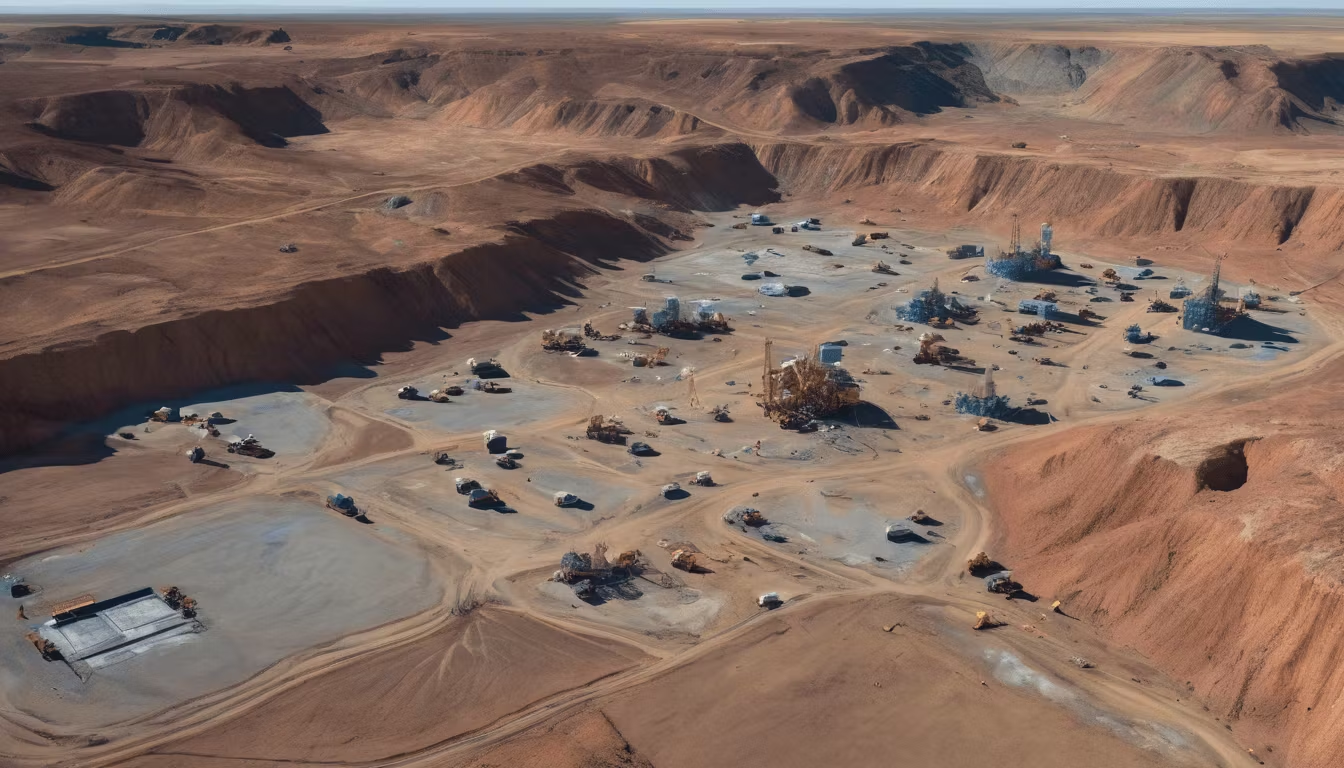
Indonesia's mineral-rich geology, particularly in regions like Sulawesi and Kalimantan, produces naturally high-purity silica deposits. Indonesian quartz sand often achieves 99.74% SiO2 naturally, requiring minimal processing compared to deposits elsewhere.
For international glass manufacturers, Indonesian suppliers offer competitive advantages: direct access to high-purity material, lower processing costs, and supply flexibility. Many leading glass producers now source directly from Indonesian mineral traders rather than relying on middlemen or lower-purity alternatives.
Quality Assurance: Laboratory Testing and Certification
Reputable silica sand suppliers provide third-party laboratory certification, typically through independent testing bodies like SUCOFINDO. This certification confirms:
- Chemical composition (SiO2, iron oxide, alumina, etc.)
- Particle size distribution
- Moisture content
- Trace element analysis
- Physical properties (bulk density, permeability)
For float glass manufacturers, these lab reports are essential for quality assurance and regulatory compliance. They provide objective evidence that incoming material meets specifications before processing begins.
Cost-Benefit Analysis: Premium Purity vs. Budget Materials
Some manufacturers attempt to reduce costs by sourcing lower-purity silica sand (98% or 98.5% SiO2). However, the savings rarely justify the consequences:
Hidden Costs of Lower Purity: – 5-15% higher fuel consumption during melting – 2-5% higher reject rates due to defects – Potential warranty claims and customer complaints – More frequent furnace maintenance due to corrosion – Quality monitoring overhead and batch testing – Lost production time managing variations
In most cases, using premium 99%+ purity silica sand actually reduces total cost-per-ton of finished glass when all factors are considered.
Sourcing Best Practices for Glass Manufacturers
1. Establish Clear Specifications Define exact SiO2 content, iron oxide limits, and particle size requirements before engaging suppliers. Don't accept vague quality assurances.
2. Request Lab Certifications Insist on third-party testing results. Reputable suppliers provide SUCOFINDO reports or equivalent certifications proving chemical composition.
3. Trial Batches Before committing to large contracts, process trial batches (100-500 MT) from new suppliers. Monitor furnace behavior, melt quality, and final glass properties.
4. Supplier Partnerships Work with suppliers who understand glass manufacturing. They can adjust particle size distribution and ensure batch-to-batch consistency based on your specific furnace and formulation.
5. Supply Flexibility Choose suppliers capable of handling your volume requirements, whether 500 MT annually or 500,000 MT. Flexible supply chains reduce inventory costs and logistical complexity.
Indoalam: Your Trusted Silica Sand Partner
CV Indoalam Mineral Persada specializes in supplying premium silica sand to float glass manufacturers across Indonesia and internationally. Our silica and quartz sand meets the stringent requirements of modern glass production:
- 99.74% SiO2 naturally – exceeding float glass specifications
- Multiple mesh grades – 8-200 mesh for different applications
- SUCOFINDO certified – lab-tested chemical composition and purity
- Direct from mine sourcing – no middlemen, ensuring quality control and competitive pricing
- IUP OPK licensed – fully compliant with Indonesian mining regulations
- Flexible supply volumes – from trial orders (100 MT) to full-scale contracts (2.5M MT annually)
We source from premium deposits in Sulawesi (Morowali, Konawe), Kalimantan, and Maluku (Halmahera), ensuring consistent access to naturally high-purity material. Our quality assurance processes and supplier relationships with major glass manufacturers across the region demonstrate our commitment to excellence.
Whether you're optimizing float glass quality, reducing production costs, or scaling operations, Indoalam provides the high-purity silica sand your furnaces demand. Contact us today to discuss your specific requirements and explore how we can support your glass manufacturing success.
Conclusion
Float glass manufacturing depends fundamentally on raw material excellence. Silica sand purity directly impacts optical clarity, thermal stability, energy efficiency, and defect rates—the metrics that determine profitability and customer satisfaction in this competitive industry.
By prioritizing high-purity silica sand from reliable, certified suppliers, manufacturers protect their furnace investments, reduce waste, and produce the premium glass products that command premium pricing. In an industry where margins matter, material quality isn't an expense—it's a strategic advantage.