Digital Transformation in Indonesian Mining: Technology and Innovation
Digital Transformation in Indonesian Mining: Technology and Innovation
The Indonesian mining industry stands at a critical juncture. As global demand for minerals intensifies and operational costs climb, mining companies across the archipelago are increasingly turning to digital solutions to enhance efficiency, safety, and profitability. Digital mining Indonesia represents more than just technological adoption—it's a fundamental shift in how mining operations function, from exploration and extraction to processing and delivery.
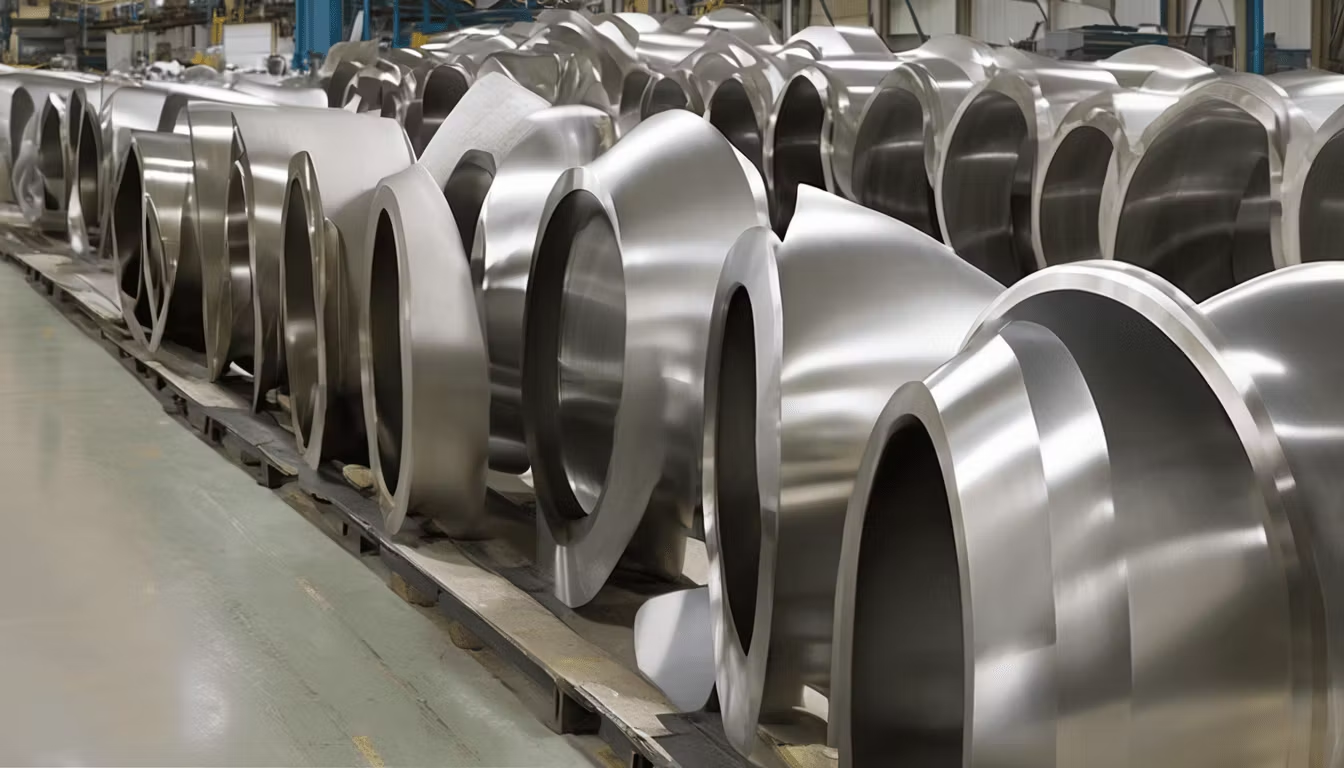
Indonesia, as one of the world's largest mineral producers, must embrace these digital innovations to maintain competitive advantage. Whether dealing with nickel ore extraction in Sulawesi, silica sand processing operations, or large-scale aluminium ingot production, modern mining technology is becoming essential for success in today's market.
The Current State of Mining Technology in Indonesia
Legacy Systems and Modern Challenges
Historically, Indonesian mining operations have relied on traditional methods that, while proven, lack the efficiency and real-time monitoring capabilities required by contemporary industry standards. Many companies still depend on manual data collection, paper-based documentation, and periodic inspections rather than continuous digital monitoring.
These legacy approaches create several operational challenges: increased downtime, difficulty tracking resource utilization, limited visibility into supply chain movements, and higher safety risks. For companies processing minerals like zircon sand or managing complex nickel extraction processes, the inability to monitor operations in real-time can result in substantial productivity losses and quality inconsistencies.
Regulatory Pressure and Industry Standards
Indonesia's regulatory environment, including requirements from the Ministry of Energy and Mineral Resources and environmental compliance standards, increasingly demands transparency and data accuracy. Digital systems provide the documentation and traceability necessary to meet these requirements efficiently. Companies holding IUP OPK licenses and SUCOFINDO certifications now recognize that digital infrastructure supports compliance and operational excellence simultaneously.
IoT Mining: Revolutionizing Operations
Real-Time Monitoring and Predictive Maintenance
IoT mining technology deploys sensors throughout extraction, processing, and handling equipment to gather continuous operational data. These Internet of Things systems monitor equipment performance, environmental conditions, and material flow without human intervention, enabling instant alerts when issues emerge.
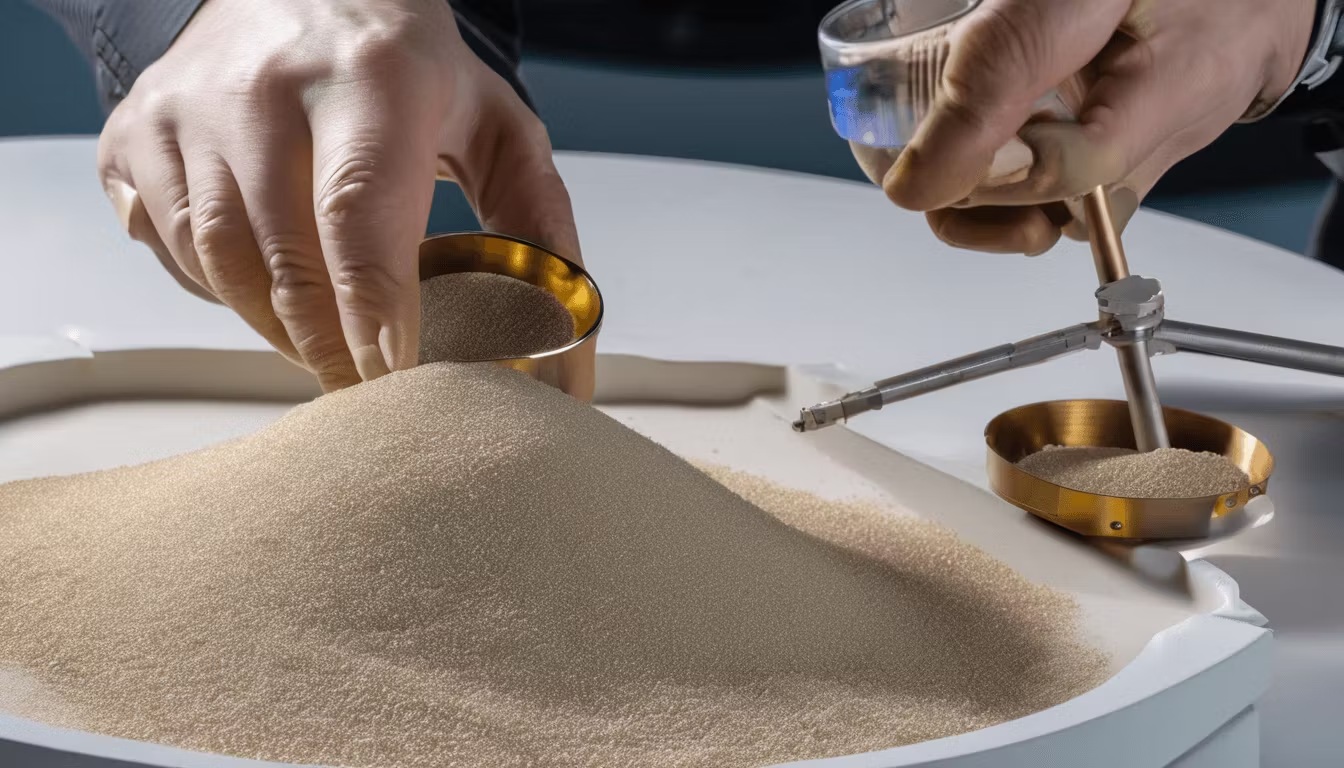
For mining operations handling high-volume minerals like silica sand—where annual throughput can exceed 2.5 million metric tons—IoT sensors on conveyors, crushers, classifiers, and storage systems provide invaluable insights. Predictive maintenance algorithms analyze sensor data to identify equipment degradation before failures occur, reducing unexpected downtime by 30-50% and extending equipment lifespan significantly.
Safety Enhancement Through Connected Devices
Mining remains inherently dangerous, with risks including equipment accidents, environmental exposure, and site hazards. IoT devices—from wearable sensors monitoring worker vital signs to proximity alerts preventing collisions—create a safety network that continuously protects personnel. Real-time location tracking systems ensure emergency responders can reach injured workers quickly in remote mining sites across Sulawesi, Kalimantan, and Maluku.
Quality Control and Product Consistency
For mineral traders supplying critical industries—glass manufacturers requiring specific SiO2 purity levels, smelters needing consistent nickel ore grades, or foundries processing aluminium ingot to precise specifications—IoT-enabled quality monitoring is transformative. Sensors measure mineral composition, moisture content, particle size distribution, and other parameters continuously, enabling immediate adjustments to maintain specification compliance.
Smart Mining Solutions: Integrating Data and Automation
AI-Powered Resource Optimization
Smart mining Indonesia leverages artificial intelligence to optimize extraction sequences, identify high-grade ore zones, and minimize waste. Machine learning algorithms trained on historical mining data can predict which areas will yield the highest-quality minerals, directing excavation efforts toward maximum value.
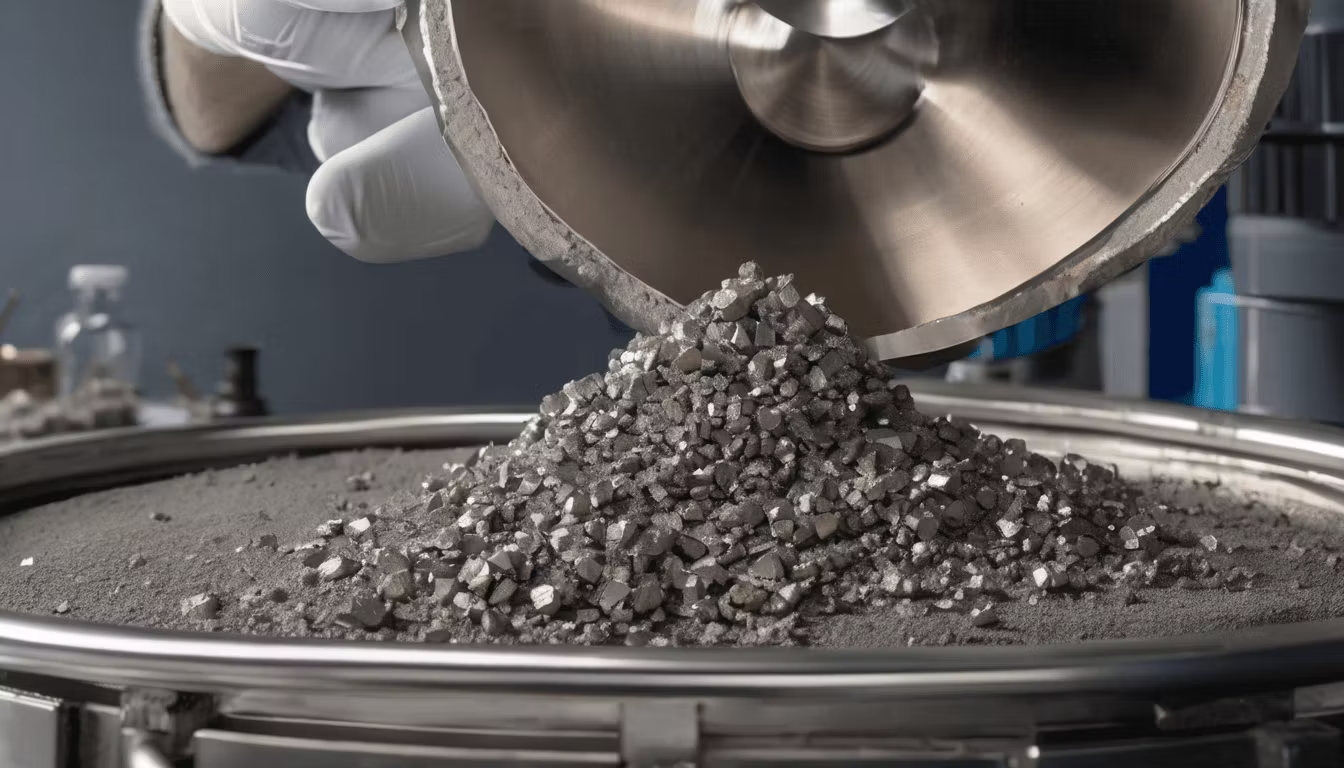
This optimization is particularly relevant for operations in geologically diverse regions like Morowali and Konawe in Sulawesi, where nickel ore grades vary significantly across deposits. AI analysis of geological surveys combined with operational data helps miners extract saprolite and limonite deposits more efficiently while reducing environmental impact.
Autonomous Equipment and Robotics
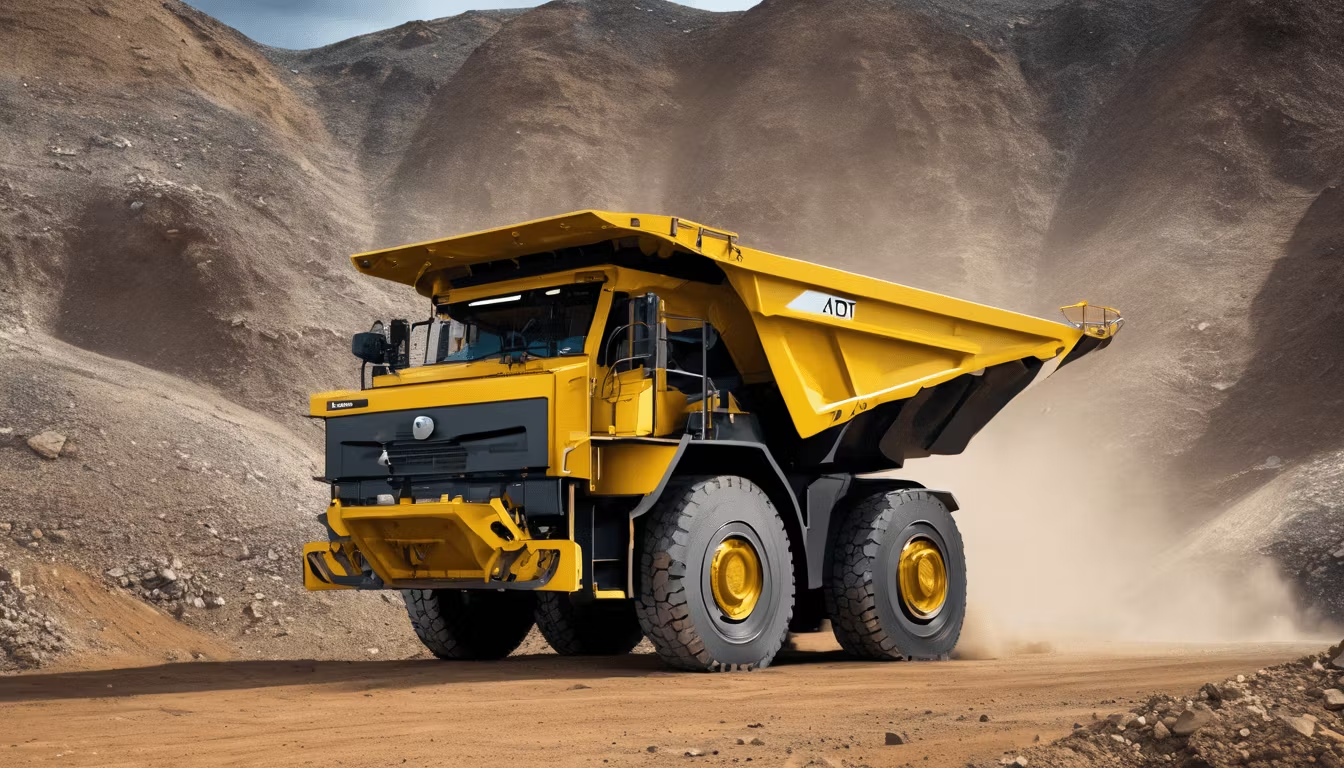
Autonomous haul trucks, robotic drilling systems, and self-operating crushing equipment represent the frontier of mining automation. While full autonomy requires substantial infrastructure investment, incremental adoption—particularly in dangerous or repetitive tasks—improves both safety and productivity.
For large-scale operations processing diverse mineral types, autonomous systems can operate continuously without fatigue, delivering consistent performance across shifts. This becomes especially valuable for 24/7 operations in processing facilities handling high-volume materials.
Blockchain for Supply Chain Transparency
As international customers increasingly demand supply chain transparency and ethical sourcing verification, blockchain technology offers immutable records from mine to customer. Implementing blockchain enables mining companies to document mineral origin, certifications, and handling procedures—creating trust with buyers from glass manufacturers to international commodity traders.
For companies exporting minerals internationally while operating under strict Indonesian licensing requirements, blockchain provides verifiable documentation of compliance with IUP OPK standards and SUCOFINDO testing results.
Cloud-Based Mining Management Systems
Centralized Data Architecture
Cloud platforms consolidate data from multiple mining sites, processing facilities, and logistics operations into unified dashboards accessible to authorized personnel anywhere. Rather than managing siloed databases across regional operations, mining companies can view real-time production metrics, inventory levels, quality data, and financial information through integrated systems.
For trading companies like those supplying major industrial parks with consistent mineral supplies, cloud systems ensure visibility across the entire supply chain—from extraction in Halmahera to delivery at customer facilities.
Advanced Analytics and Business Intelligence
Beyond operational monitoring, cloud-based analytics platforms provide strategic insights. Trend analysis identifies efficiency improvements, cost reduction opportunities, and market alignment. Predictive analytics forecast demand patterns, helping mining companies optimize production scheduling and inventory management.
Scalability and Cost Efficiency
Cloud infrastructure eliminates the capital expense of on-premises servers while providing scalability as operations grow. Companies can expand digital monitoring across additional mining sites or product lines—whether adding zircon sand operations or increasing aluminium ingot production—without massive IT infrastructure investments.
Digital Mining Technology for Small and Medium Operations
Accessible Innovation for Smaller Players
Digital transformation needn't require billion-rupiah investments. Software-as-a-Service (SaaS) solutions, mobile applications, and modular IoT systems make smart mining technology accessible to smaller mining companies and independent operators. Cloud-based laboratory information management systems enable mineral testing facilities to digitize analysis results instantly, improving documentation quality and customer communication.
Mobile-First Operations Management
Smartphones and tablets have become ubiquitous even in remote mining regions. Mobile applications enable site supervisors to monitor operations, record inspections, manage work orders, and communicate findings without returning to central offices. This real-time responsiveness significantly improves operational agility.
Challenges and Considerations in Digital Mining Adoption
Infrastructure and Connectivity
While digital solutions offer enormous benefits, Indonesian mining sites often operate in remote locations where internet connectivity remains inconsistent. Reliable connectivity is essential for IoT mining, cloud systems, and real-time monitoring. Companies must invest in appropriate communication infrastructure—satellite systems, private networks, or hybrid solutions—to support digital initiatives effectively.
Workforce Training and Change Management
Implementing smart mining technology requires skilled personnel. Mining companies must invest in training programs teaching operators, engineers, and managers to use new digital systems effectively. Change management—addressing concerns about job displacement and building confidence in new processes—remains critical for successful technology adoption.
Data Security and Privacy
Increased digitalization creates cybersecurity responsibilities. Mining companies must protect sensitive operational data, financial information, and customer details from cyber threats. Implementing robust security protocols, regular audits, and compliance with Indonesian data protection standards is essential.
Initial Investment and ROI Timeline
Digital transformation requires significant upfront investment. While returns on investment—through improved efficiency, reduced downtime, better quality control, and enhanced safety—typically justify costs within 2-4 years, the initial capital requirement can challenge companies with limited resources.
Industry Applications: Digital Mining Across Mineral Types
Nickel Ore Processing and Smelter Integration
Nickel smelters receiving ore from Indonesian suppliers demand consistent quality and reliable delivery schedules. Digital systems enable mining operations to provide real-time tracking, quality certifications, and batch documentation, facilitating seamless integration with smelter operations producing NPI, ferronickel, and HPAL products.
Silica Sand Production and Glass Manufacturing
Glass manufacturers—from float glass producers to solar panel manufacturers—require silica sand with specific purity, particle size distribution, and consistency. Digital quality monitoring ensures every shipment meets exacting specifications, reducing production delays and product defects for downstream customers.
Ceramics, Tile, and Specialty Applications
Water treatment facilities, ceramic producers, and foundries all depend on mineral supplies meeting precise technical specifications. Digital documentation and traceability help these industries validate supply chain integrity and maintain production quality standards.
The Future of Mining Technology in Indonesia
Emerging Technologies on the Horizon
Augmented reality systems will soon enable remote experts to guide on-site technicians through complex repairs and maintenance procedures. Digital twins—virtual replicas of mining operations—will allow companies to simulate operational changes, test safety procedures, and optimize processes before implementing changes in physical facilities.
Artificial intelligence will become increasingly sophisticated, potentially discovering mineral deposits through analysis of geological data that human experts might overlook, or optimizing extraction sequences in real-time based on evolving conditions.
Sustainability and Environmental Monitoring
Digital systems enable comprehensive environmental monitoring—tracking water quality, air emissions, land restoration progress, and ecosystem health. This technology-driven transparency supports sustainable mining practices and demonstrates environmental responsibility to regulators and customers alike.
Partnering with Technology-Forward Suppliers
As mining customers increasingly prioritize technology integration and supply chain transparency, they naturally seek partners who embrace digital practices. Suppliers implementing IoT mining systems, cloud-based inventory management, and blockchain documentation provide competitive advantages—faster order processing, better supply chain visibility, guaranteed quality, and reliable delivery tracking.
When sourcing minerals—whether nickel ore for smelting operations, high-purity silica sand for glass manufacturing, or zircon sand for ceramics—choosing suppliers with robust digital infrastructure ensures more reliable, transparent, and efficient operations.
Conclusion: Digital Transformation as Competitive Necessity
Digital transformation in Indonesian mining is no longer optional—it's becoming table stakes for competitive participation. From IoT mining sensors providing real-time operational insights to AI-powered resource optimization and blockchain supply chain transparency, technology is fundamentally reshaping mining operations.
Companies that successfully embrace digital mining Indonesia—implementing smart mining solutions, investing in workforce training, and maintaining cybersecurity—will capture efficiency gains, improve safety, enhance product quality, and strengthen customer relationships. Those that delay face increasing competitive disadvantage.
The journey toward fully digital mining operations requires patience, investment, and commitment. However, the benefits—improved profitability, enhanced safety, better environmental stewardship, and stronger market position—make this transformation essential for long-term success in Indonesia's dynamic mining sector.
Ready to partner with a mining supplier embracing digital excellence? CV Indoalam Mineral Persada combines traditional mining expertise with modern digital practices, offering transparent, traceable mineral supply from extraction through delivery. Whether you're sourcing aluminium ingots, specialized zircon sand, or high-volume silica sand supplies, our technology-enabled operations ensure consistent quality and reliable service. Contact us to discuss how our digital-forward approach can support your operational needs and connect you with premium Indonesian minerals backed by complete supply chain transparency and real-time tracking.