Coarse vs Fine Silica Sand: Complete Industry Grade Guide
Understanding Silica Sand Grades: A Complete Overview
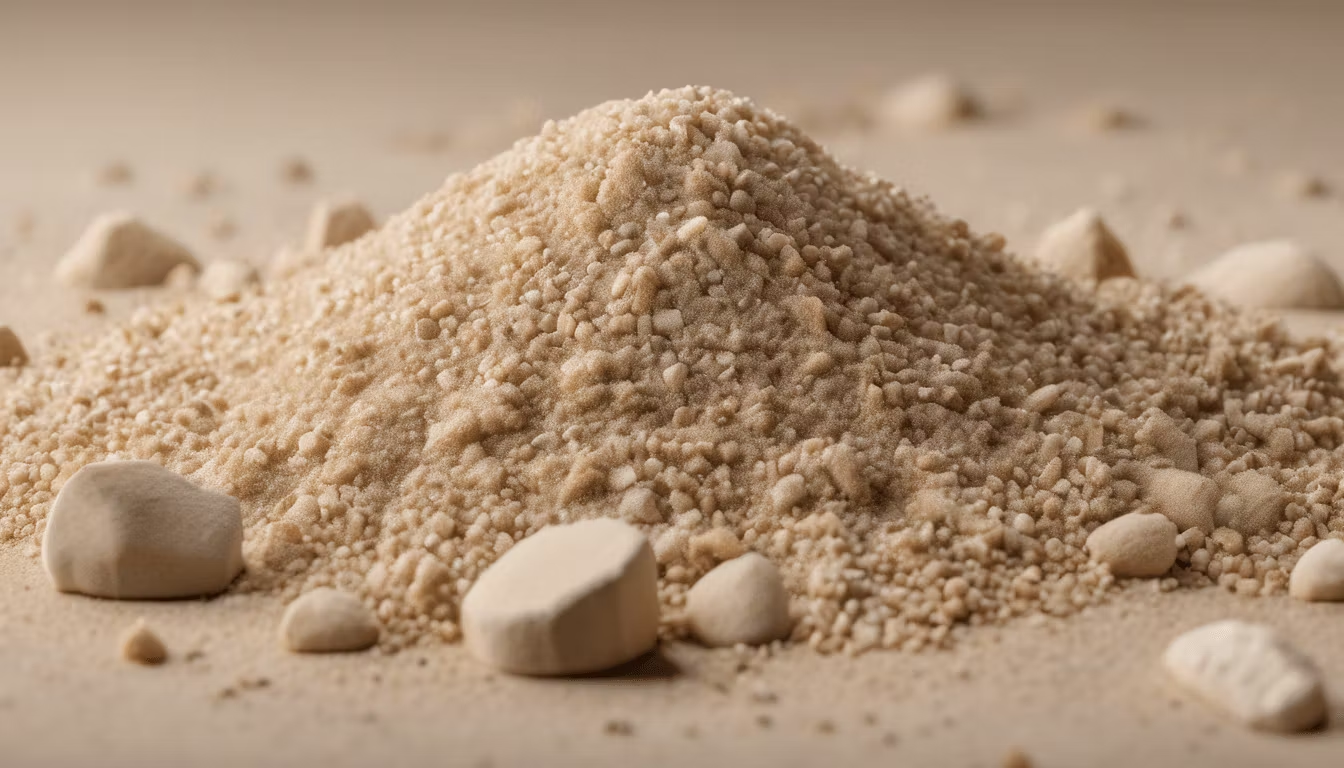
Silica sand is one of the most versatile industrial minerals in the global supply chain. From construction and glass manufacturing to water filtration and foundry operations, the demand for high-quality silica sand continues to grow across diverse industries. However, not all silica sand is created equal. The particle size, purity, and grading directly impact product performance and manufacturing efficiency.
For B2B buyers sourcing industrial materials, understanding the differences between coarse and fine silica sand grades is essential for optimizing production processes and maintaining cost-effectiveness. This comprehensive guide explores the technical specifications, industrial applications, and selection criteria that will help you make informed purchasing decisions.
What Defines Silica Sand Grades?
The Mesh Size Classification System
Silica sand grading is primarily determined by mesh size, which refers to the number of openings per linear inch in a standard sieve. The mesh classification system ranges from coarse grades like 8-20 mesh down to ultra-fine grades exceeding 200 mesh. This standardized measurement ensures consistency and compatibility across global supply chains.
CV Indoalam Mineral Persada supplies silica sand with exceptional purity levels reaching SiO2 99.74% across multiple mesh grades (8-200), allowing industrial customers to source precisely calibrated materials for their specific applications. The relationship between mesh size and particle diameter is inverse: higher mesh numbers indicate smaller particle sizes.
Key Specifications Beyond Mesh Size
While mesh size is the primary classification method, professional buyers must also evaluate:
- Silica Content (SiO2): The percentage of pure silicon dioxide directly affects product performance and suitability for high-specification applications
- Moisture Content: Excessive moisture can cause handling issues, contamination, and processing delays
- Iron Content (Fe₂O₃): Critical for glass manufacturing and applications requiring optical clarity
- Bulk Density: Affects transportation costs, storage requirements, and application efficiency
- Hardness (Mohs Scale): Typically 7 for quartz, essential for abrasive applications
All CV Indoalam materials undergo rigorous SUCOFINDO laboratory testing to verify these critical parameters, ensuring compliance with international industrial standards.
Coarse Silica Sand: Applications and Characteristics
Particle Size Range and Properties
Coarse silica sand typically ranges from 8 mesh (2.38mm) to 60 mesh (0.25mm), featuring larger individual particles that create distinct industrial advantages. This grade exhibits excellent drainage properties, superior permeability, and exceptional structural integrity in load-bearing applications.
The larger particle size distribution in coarse grades provides several technical benefits: reduced surface area susceptibility to moisture, improved flow characteristics in bulk handling systems, and enhanced stability in high-temperature applications. These properties make coarse silica sand the preferred choice for specific industrial sectors.
Primary Industries Using Coarse Silica Sand
Foundry and Metal Casting: Coarse silica sand grades (typically 16-60 mesh) are essential in foundry operations for mold and core production. The larger particles create appropriate porosity levels, allowing controlled gas escape during the casting process while maintaining dimensional accuracy. Foundries worldwide depend on consistent coarse sand grades to prevent defects such as gas porosity and metal penetration.
Construction and Concrete: In concrete production, coarse sand acts as an aggregate component, significantly impacting compressive strength and durability. Construction material producers rely on properly graded coarse sand to achieve desired concrete workability, reduce water demand, and extend service life in structural applications.
Water Treatment and Filtration: Coarse sand grades serve as the primary filtration medium in municipal and industrial water treatment facilities. The larger particle structure allows for higher flow rates while maintaining effective particle removal, reducing operational costs and system downtime.
Sports and Recreational Surfaces: Golf courses, artificial turf systems, and sports facilities utilize coarse silica sand for optimal drainage and cushioning properties. The particle size directly influences play quality and surface longevity.
Advantages of Coarse Sand Selection
- Lower dust generation during handling and processing
- Reduced material storage space requirements due to higher bulk density
- Improved drainage and permeability characteristics
- Better cost-efficiency for volume-intensive applications
- Simplified quality control and material testing procedures
- Enhanced operator safety with minimal airborne particle exposure
Fine Silica Sand: Applications and Characteristics
Particle Size Range and Properties
Fine silica sand encompasses grades from 100 mesh (0.149mm) to 200+ mesh (under 0.074mm), featuring significantly smaller particles that create different physical and chemical properties compared to coarse grades. The increased surface area-to-volume ratio in fine sand results in enhanced reactivity, improved binding capability, and superior coating uniformity.
Fine sand particles exhibit excellent suspension characteristics, reduced settling rates, and superior coverage when applied as coatings or fillers. These properties are critical for applications demanding precision, consistency, and aesthetic qualities.
Primary Industries Using Fine Silica Sand
Glass Manufacturing: The glass industry represents the largest consumer of fine silica sand globally. Float glass production, container glass, and specialty glass applications require fine sand grades with extremely low iron content and high purity. Fine silica sand (typically 100-200 mesh) provides the necessary homogeneity for consistent glass quality, optimal melting temperatures, and desired optical properties. Solar panel manufacturers and flat glass producers depend on precisely calibrated fine sand to meet performance specifications.
Ceramics and Tile Production: Ceramic tile manufacturers utilize fine silica sand as a primary raw material component. The uniform particle size distribution ensures consistent firing behavior, prevents warping, and produces aesthetically superior finished products. Fine sand grades improve tile strength, reduce defect rates, and enable advanced design capabilities.
Industrial Coatings and Paints: Fine silica sand serves as a critical additive in industrial coating formulations, providing texture, anti-slip properties, and enhanced durability. The small particle size allows for smooth application while maintaining performance characteristics in demanding environments.
Cosmetics and Personal Care: Fine silica sand functions as an additive in skincare products, exfoliating scrubs, and specialized cosmetic formulations. The controlled particle size ensures safety and effectiveness without causing skin irritation.
Chemical and Pharmaceutical Industries: Fine silica sand serves as an inert filler and processing aid in various chemical and pharmaceutical applications, where particle size consistency and purity are paramount.
Advantages of Fine Sand Selection
- Superior surface finish and aesthetic quality in end products
- Enhanced binding and adhesive properties
- Improved coating uniformity and consistency
- Better suspension characteristics in liquid applications
- Higher value-added potential for specialized markets
- Precise control over product specifications and performance
Comparative Analysis: Selecting the Right Grade for Your Operation
Decision Matrix for Grade Selection
Choosing between coarse and fine silica sand requires systematic evaluation of multiple operational parameters:
Application Requirements: Begin by clearly defining the end-use specifications. Does your process require rapid drainage and bulk handling (favoring coarse grades) or uniform coverage and aesthetic quality (favoring fine grades)? Performance requirements must drive grade selection.
Production Volume and Economics: Coarse sand typically offers cost advantages for high-volume, commodity-oriented applications, while fine sand commands premium pricing due to additional processing and quality requirements. Evaluate your volume commitments and budget parameters accordingly.
Equipment Compatibility: Your existing processing equipment may have particle size limitations. Confirm that selected sand grades are compatible with your current systems to avoid costly modifications or inefficient operations.
Quality and Purity Requirements: Specify exact SiO2 content, iron oxide levels, moisture content, and other critical parameters. High-purity requirements may necessitate fine sand grades with enhanced processing.
Supply Chain Considerations: Establish whether you need consistent single-grade supplies or blended materials combining coarse and fine fractions. Reliable suppliers like CV Indoalam Mineral Persada offer flexible sourcing options from 100 metric ton trials to multi-million ton annual contracts.
Blended Sand Solutions
Many sophisticated industrial operations utilize blended sand combinations, mixing coarse and fine grades to achieve optimized performance characteristics. This approach balances drainage properties with binding capability, reduces material costs while maintaining quality standards, and provides flexibility to adjust specifications based on seasonal or market variations.
Quality Assurance and Testing Standards
Professional silica sand sourcing demands rigorous quality verification throughout the supply chain. CV Indoalam Mineral Persada maintains SUCOFINDO laboratory certification, ensuring independent third-party testing and verification of all critical parameters. This certification provides buyers with documented compliance evidence and intellectual property protection.
Key testing procedures include:
- Sieve analysis confirming mesh size distribution accuracy
- Chemical composition analysis verifying SiO2 purity and contaminant levels
- Moisture content determination through standardized drying procedures
- Density measurement for transportation and storage calculations
- Hardness testing confirming suitability for abrasive applications
The company's IUP OPK licensing (covering mineral logam and non-logam) and RKAB approval demonstrate regulatory compliance and operational transparency that international buyers require.
Sourcing High-Quality Silica Sand in Indonesia
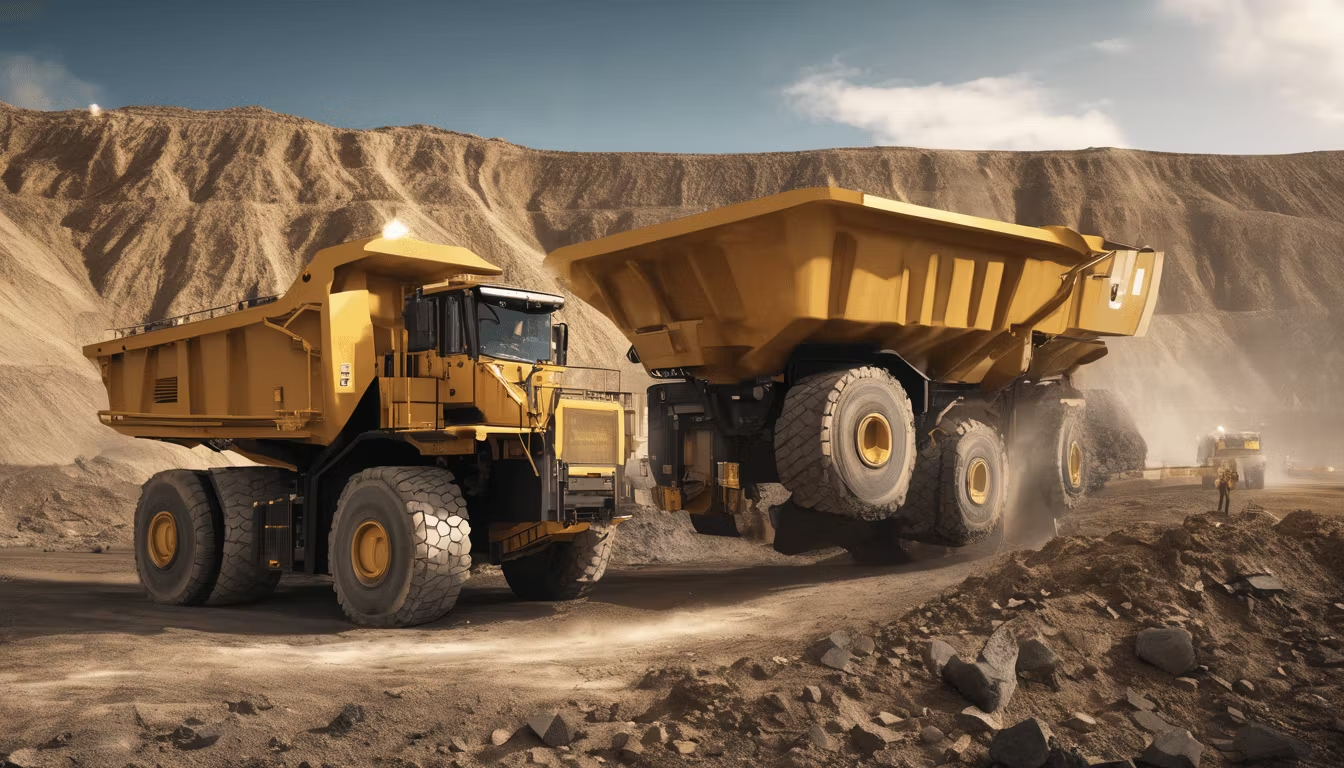
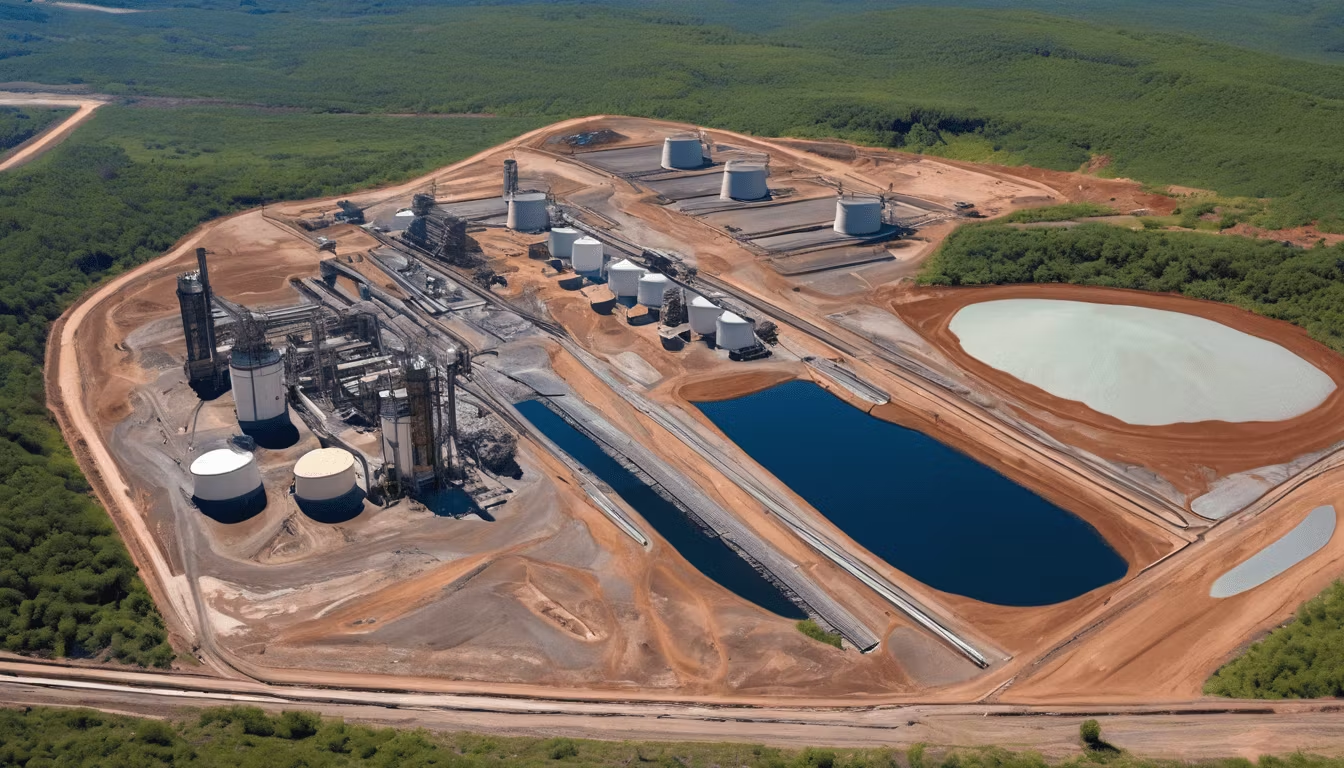
Indonesia's geographic positioning and geological characteristics make it a premier global silica sand production center. Major sourcing regions include Sulawesi (Morowali, Konawe), Kalimantan, and Maluku (Halmahera), where extensive deposits support consistent supply availability.
Established suppliers with proven operational infrastructure, regulatory compliance, and direct mining relationships provide significant advantages over intermediaries. Direct-from-mine sourcing eliminates middleman markups, reduces supply chain complexity, and ensures traceability and quality consistency.
Making Your Grade Selection Decision
Whether you operate a foundry requiring coarse sand stability, a glass manufacturing facility demanding fine sand purity, or a construction operation balancing cost and performance, the right grade selection directly impacts profitability and product quality.
Begin your evaluation by documenting specific application requirements, volume commitments, and quality parameters. Engage qualified suppliers capable of providing technical support, consistent quality, and reliable logistics. Request sample materials for testing in your actual production environment before committing to large-volume orders.
For comprehensive technical consultation and competitive pricing on coarse or fine silica sand grades, CV Indoalam Mineral Persada offers direct supply relationships backed by independent laboratory verification and flexible contract terms. The company's 2.5 million metric ton annual capacity and established supply chains across Indonesian mining regions ensure availability for projects ranging from trial quantities to substantial long-term partnerships.
Conclusion
The choice between coarse and fine silica sand represents a critical operational decision with direct implications for production efficiency, product quality, and bottom-line profitability. Coarse grades excel in applications prioritizing drainage, bulk handling, and cost-efficiency, while fine grades deliver superior finish quality, precision, and performance in demanding applications.
By systematically evaluating application requirements, quality specifications, volume needs, and supply chain capabilities, you can confidently select the optimal silica sand grade for your operation. Partner with established suppliers offering transparent quality assurance, regulatory compliance, and technical expertise to maximize the value of your mineral sourcing investments.
Contact CV Indoalam Mineral Persada today to discuss your silica sand requirements and explore how our direct-from-mine sourcing, SUCOFINDO-certified quality, and flexible supply terms can support your operational excellence and competitive positioning.