Aluminium in Construction: Curtain Walls, Roofing & Structural Solutions
Aluminium in Modern Construction: A Material Revolution
Aluminium has become the backbone of contemporary architecture and construction worldwide. From gleaming curtain wall systems in high-rise buildings to lightweight roofing solutions for industrial facilities, this versatile metal delivers durability, aesthetic appeal, and cost-effectiveness that few materials can match.
For construction professionals, engineers, and project developers, sourcing high-quality aluminium ingot materials is critical to project success. Whether you're specifying materials for a commercial development, retrofitting an existing structure, or manufacturing aluminium components, understanding the properties and applications of different aluminium grades ensures optimal performance and longevity.
At CV Indoalam Mineral Persada, we supply premium-grade aluminium ingots to construction partners across Indonesia and internationally. With SUCOFINDO lab-tested quality and IUP OPK licensing, our materials meet the rigorous demands of modern construction projects.
Curtain Wall Aluminium: Engineering the Building Envelope
What Makes Curtain Walls a Construction Standard
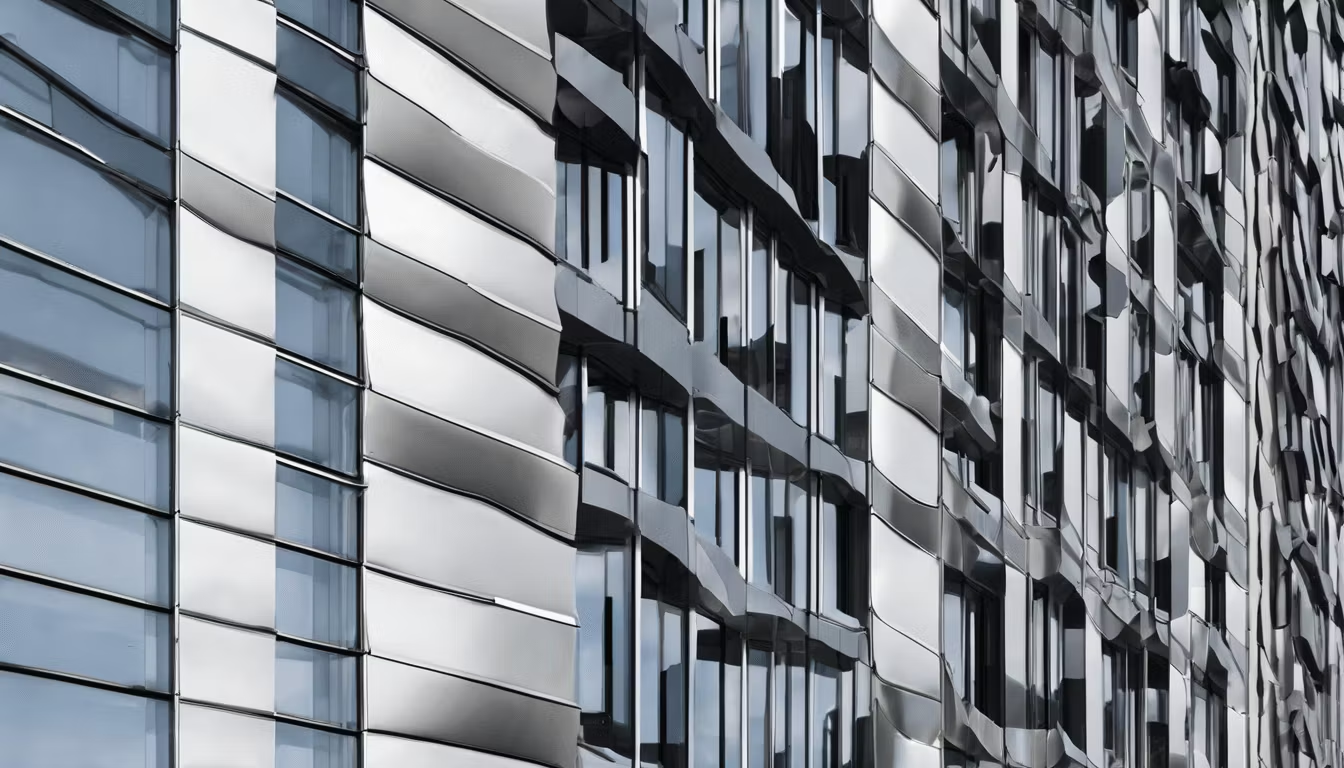
Curtain wall systems have revolutionized how architects design building facades. Unlike traditional load-bearing walls, curtain walls are non-structural, weather-resistant enclosures that attach to the building's structural frame. Aluminium is the material of choice for these systems because of its exceptional strength-to-weight ratio, corrosion resistance, and design flexibility.
Curtain wall aluminium provides several critical advantages:
- Lightweight Construction: Reduces structural load on the building frame, lowering foundation and structural costs
- Thermal Performance: Aluminium frames can be thermally broken to improve insulation efficiency and reduce energy consumption
- Design Freedom: Allows architects to create complex geometries, curved facades, and innovative patterns
- Weather Resistance: Natural oxidation creates a protective barrier against corrosion
- Fire Safety: Non-combustible material meets strict building codes and safety regulations
Aluminium Grades for Curtain Wall Applications
The ADC12 aluminium alloy is widely used in curtain wall extrusions and components. This die-casting alloy offers excellent castability, corrosion resistance, and mechanical properties suitable for structural glazing systems. The A7 grade aluminium provides additional benefits for precision-engineered curtain wall frames where tight tolerances and superior surface finish are required.
When specifying curtain wall materials, manufacturers consider:
- Anodizing compatibility for protective finish coatings
- Weldability for joint reinforcement
- Dimensional stability for panel alignment
- Corrosive environment resistance (coastal, industrial, or urban settings)
Aluminium Roofing Systems: Durability Meets Sustainability
Why Architects Choose Aluminium for Roofing
Aluminium roofing has gained significant traction in both residential and commercial construction. Unlike traditional materials, aluminium roofing delivers exceptional durability with minimal maintenance requirements. A properly installed aluminium roof can protect a structure for 40+ years with only routine cleaning and inspection.
Key benefits of aluminium roofing include:
- Corrosion Resistance: The protective oxide layer prevents rust and degradation even in harsh climates
- Lightweight: Reduces structural requirements and installation complexity
- Reflectivity: High albedo value reflects solar radiation, reducing cooling loads and energy costs
- Recyclability: 100% recyclable material supporting sustainable building practices
- Fast Installation: Reduces labor costs and project timelines
- Wind Resistance: Superior fastening systems withstand extreme weather events
Applications Across Building Types
Industrial facilities, warehouses, agricultural buildings, and modern residential projects increasingly specify aluminium roofing systems. In regions with high UV exposure, salt spray environments, or aggressive pollution, aluminium consistently outperforms steel and other alternatives. The material's thermal expansion characteristics are well-understood by engineers, enabling precise design calculations for long-term performance.
Commercial applications include:
- Manufacturing facilities and industrial parks
- Warehouse and logistics buildings
- Agricultural storage structures
- Commercial retail developments
- Institutional buildings (schools, hospitals, universities)
Structural Aluminium: Supporting Modern Buildings
Load-Bearing and Semi-Structural Applications
While aluminium isn't typically the primary load-bearing material in skyscrapers, it plays crucial roles in structural applications. Aluminium beams, columns, trusses, and frames support secondary loads in modern construction, from mezzanine floors to bridge structures and aerospace-grade applications.
Structural aluminium excels in:
- Seismic Design: Lower mass reduces inertial forces during earthquakes
- Modular Construction: Standardized extrusions enable rapid assembly and reconfiguration
- Temporary Structures: Scaffolding, formwork, and access systems leverage aluminium's strength and reusability
- Bridge Components: Decking, handrails, and expansion joints utilize aluminium's durability
- Parking Structures: Weather resistance eliminates corrosion concerns of steel alternatives
Engineering Specifications and Alloy Selection
Structural applications demand precise alloy selection and rigorous testing. Engineers specify aluminium based on yield strength, fatigue resistance, and environmental exposure. The ADC12 and A7 grades offer excellent mechanical properties when properly heat-treated and processed, ensuring structural integrity across decades of service.
Critical considerations include:
- Fatigue strength for cyclically loaded components
- Fracture toughness in low-temperature environments
- Stress corrosion cracking resistance
- Connection design (welded, bolted, or riveted)
- Inspection and maintenance accessibility
Quality Assurance and Material Sourcing
Ensuring Construction-Grade Quality
The success of any construction project depends on material consistency and reliability. Substandard aluminium ingots can lead to casting defects, mechanical property variations, and premature failure—issues that become expensive and dangerous when discovered in finished curtain walls or roofing systems.
Reputable suppliers like CV Indoalam Mineral Persada maintain rigorous quality protocols:
- SUCOFINDO Laboratory Testing: Independent verification of chemical composition and mechanical properties
- IUP OPK Licensing: Legal authorization ensuring compliance with Indonesian mining and material regulations
- RKAB Approval: Technical oversight confirming material specifications and production standards
- Traceability: Complete documentation from ingot casting through delivery
- Flexible Supply: Capacity ranging from 100 MT trial orders to multi-year contracts supporting projects of all scales
Why Direct-from-Source Sourcing Matters
When you source aluminium ingots directly from established suppliers rather than through middlemen, you benefit from:
- Lower costs through elimination of distribution markups
- Faster delivery and more reliable supply chains
- Direct technical support and customization options
- Transparency regarding material origin and processing
- Ability to establish long-term partnerships with guaranteed specifications
Market Trends and Future Applications
Sustainability and Green Construction
The construction industry increasingly prioritizes sustainable materials. Aluminium's infinite recyclability—without loss of properties through multiple cycles—makes it ideal for green building certifications (LEED, BREEAM, Green Mark). Buildings designed with aluminium components contribute to circular economy principles and reduced lifecycle environmental impact.
Smart and Adaptive Building Systems
Next-generation curtain walls integrate smart technologies—responsive glazing, kinetic solar shading, and embedded sensors—into aluminium framing systems. These innovations require precisely engineered aluminium components that can accommodate electrical systems, mechanical movements, and thermal stresses.
Rising Demand in Southeast Asia
Rapid urbanization across Southeast Asia drives unprecedented demand for construction materials. Indonesia's infrastructure development, skyscraper construction, and industrial expansion create significant opportunities for aluminium suppliers serving this dynamic market. Local sourcing through established suppliers ensures project timelines are met without international supply chain complications.
Selecting the Right Aluminium Supplier for Your Project
Key Evaluation Criteria
When sourcing aluminium for construction applications, evaluate suppliers on these factors:
- Certifications and Licenses: Verify IUP OPK, ET, and third-party testing credentials
- Production Capacity: Ensure suppliers can meet volume requirements and delivery schedules
- Quality Control: Review testing protocols and material guarantees
- Technical Support: Confirm availability of engineering assistance and material customization
- Reliability: Assess track record with similar construction projects
- Geographic Proximity: Local suppliers reduce logistics costs and improve response times
From Project Specification to Delivery
Professional suppliers should guide you through:
- Material grade recommendations based on application requirements
- Quantity forecasting and delivery scheduling
- Quality certification and testing documentation
- Technical support during fabrication and installation
- Dispute resolution and warranty coverage
Why CV Indoalam Mineral Persada Is Your Construction Material Partner
CV Indoalam Mineral Persada brings two decades of mining expertise and four years of focused material trading to the Indonesian construction sector. Our commitment to quality, compliance, and customer service has established us as a trusted supplier to major construction companies, fabricators, and manufacturers.
We specialize in delivering premium aluminium ingot grades (ADC12, A7) that meet international construction standards. Our direct sourcing model eliminates middlemen, reducing costs while guaranteeing material consistency. Every ingot undergoes SUCOFINDO laboratory testing and carries complete traceability documentation.
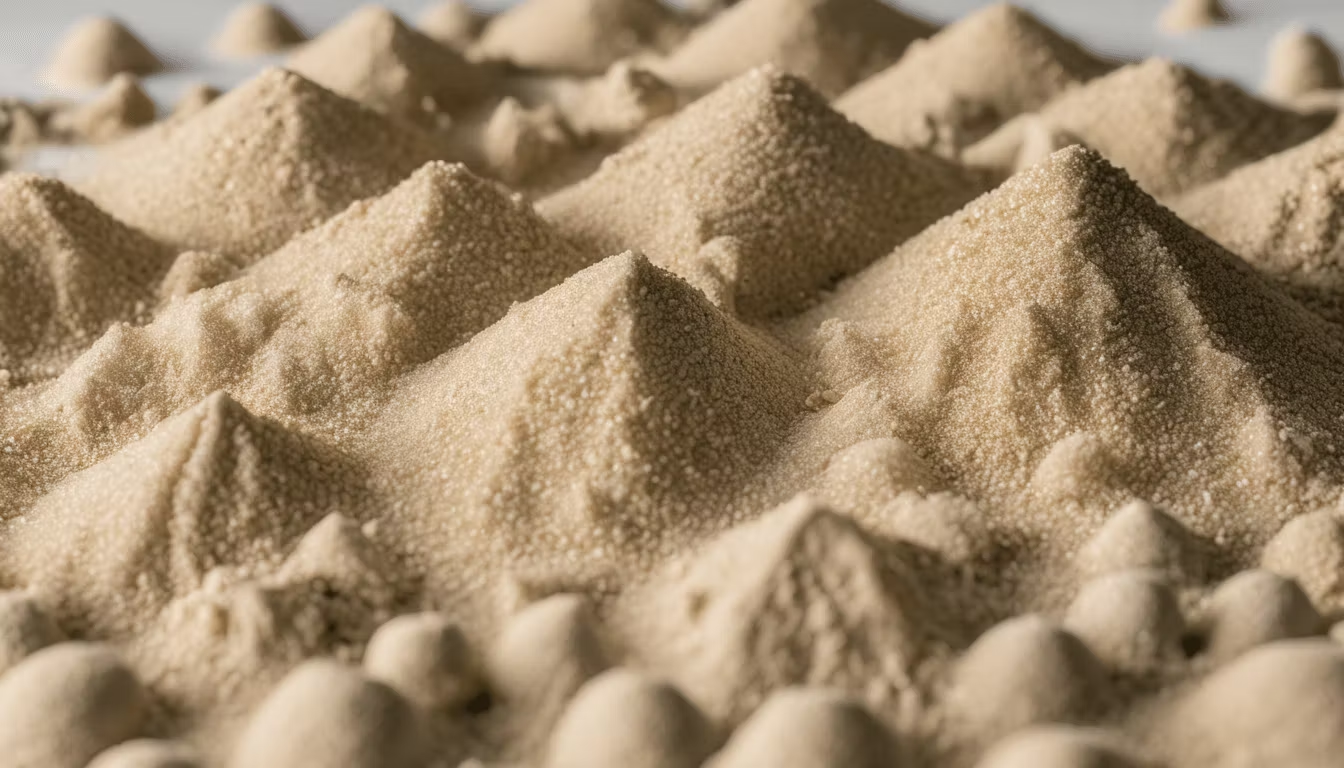
Beyond aluminium, we supply complementary materials for construction applications. Our silica sand and specialized minerals support diverse industrial requirements, while our extensive network across Sulawesi, Kalimantan, and Maluku ensures reliable supply regardless of market conditions.
Whether you're engineering a signature curtain wall system, specifying roofing materials for an industrial complex, or sourcing structural components for an innovative building design, Indoalam's quality-assured aluminium ingots deliver the reliability your projects demand.
Getting Started: Your Next Construction Material Order
Ready to source premium aluminium for your next construction project? CV Indoalam Mineral Persada accepts orders ranging from 100 MT trial quantities to multi-year supply agreements. Our technical team provides material specifications, mechanical properties documentation, and application guidance to ensure optimal material selection.
Contact us today to discuss your construction material requirements, request samples, or negotiate volume pricing for your upcoming projects. Let Indoalam become your reliable partner for construction-grade aluminium ingots and mineral materials.