Silica Sand for Golf Courses & Sports Turf: Premium Drainage & Topdressing Solutions
Silica Sand for Golf Courses and Sports Turf: The Complete Guide
Golf courses and sports turf facilities represent some of the most demanding environments for sand applications. The health and playability of these surfaces depend critically on proper drainage, soil structure, and consistent topdressing maintenance. Premium-grade silica sand has become the industry standard for achieving these objectives, offering superior performance compared to generic sand alternatives.
Whether you're managing an 18-hole championship course, a municipal par-3 facility, or a professional sports field, understanding the role of quality silica sand in turf management is essential. This comprehensive guide explores how silica sand enhances drainage, improves playing surfaces, and supports long-term turf sustainability.
Why Silica Sand Matters for Golf Course Construction and Maintenance
The foundation of any elite golf course or sports turf facility is its root zone—the soil and sand composition that determines water infiltration, nutrient retention, and playability. Silica sand plays a critical role in this ecosystem, and for good reason.
Superior Drainage Performance
Water management is perhaps the most critical factor in turf maintenance. Poorly drained courses become waterlogged, creating anaerobic conditions that promote disease, reduce root development, and compromise ball roll consistency. Silica sand with high purity (SiO2 99.74%+) provides exceptional drainage properties due to its angular particle structure and minimal clay or silt content.
When properly sized (typically 0.25mm to 2.0mm for turf applications), silica sand particles create optimal capillary pore space. This means water moves efficiently through the root zone while maintaining adequate moisture retention for plant health. The result is a playable surface throughout the season, even in high-rainfall regions.
Consistent Particle Size and Quality Control
Golf courses and sports facilities cannot tolerate batch-to-batch variation. Each application of topdressing sand must perform identically to maintain surface uniformity. Premium suppliers provide silica sand with rigorous particle size distribution, typically meeting USGA specifications or equivalent international standards.
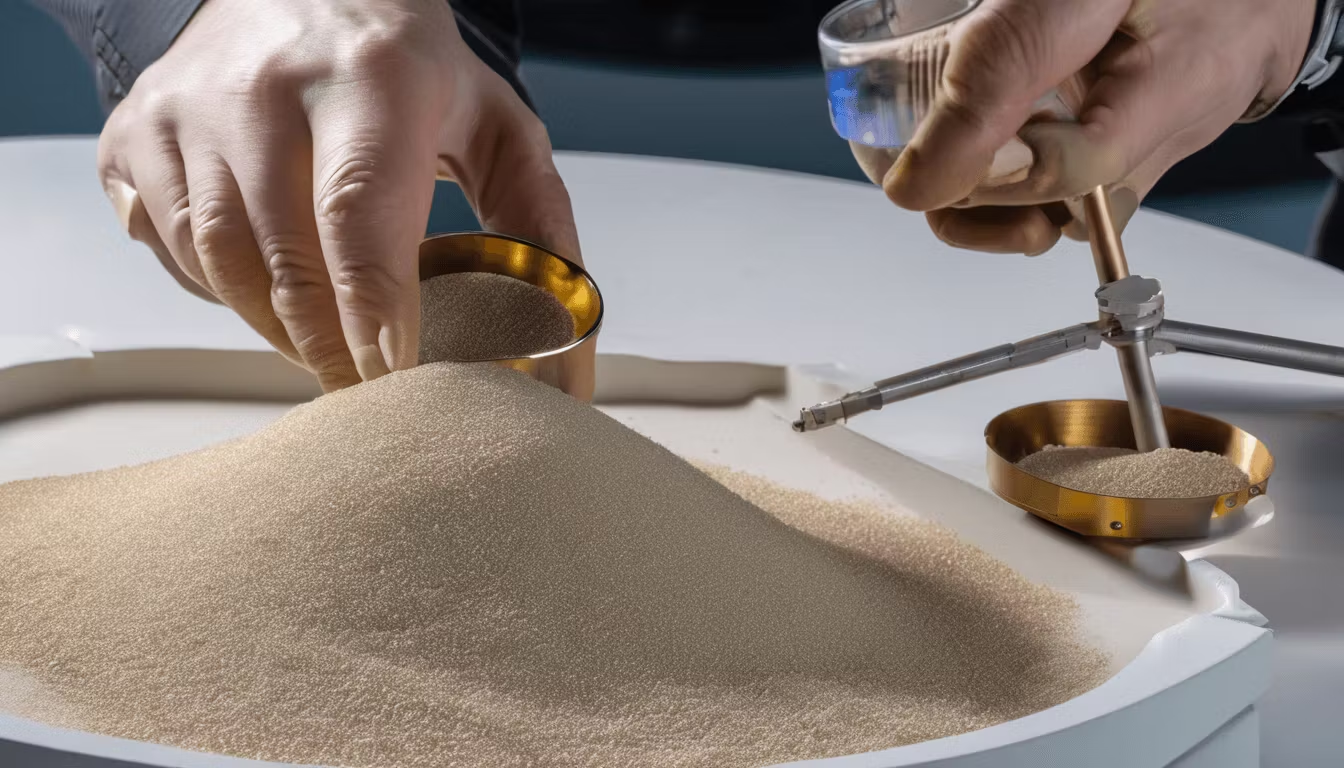
SUCOFINDO-tested supplies ensure consistent SiO2 content, minimal heavy metals, and precise mesh grading (commonly 30/60 mesh for greens topdressing). This consistency prevents the formation of compacted layers that restrict root penetration and water movement.
Applications of Silica Sand in Golf and Sports Turf
Topdressing for Greens and Fairways
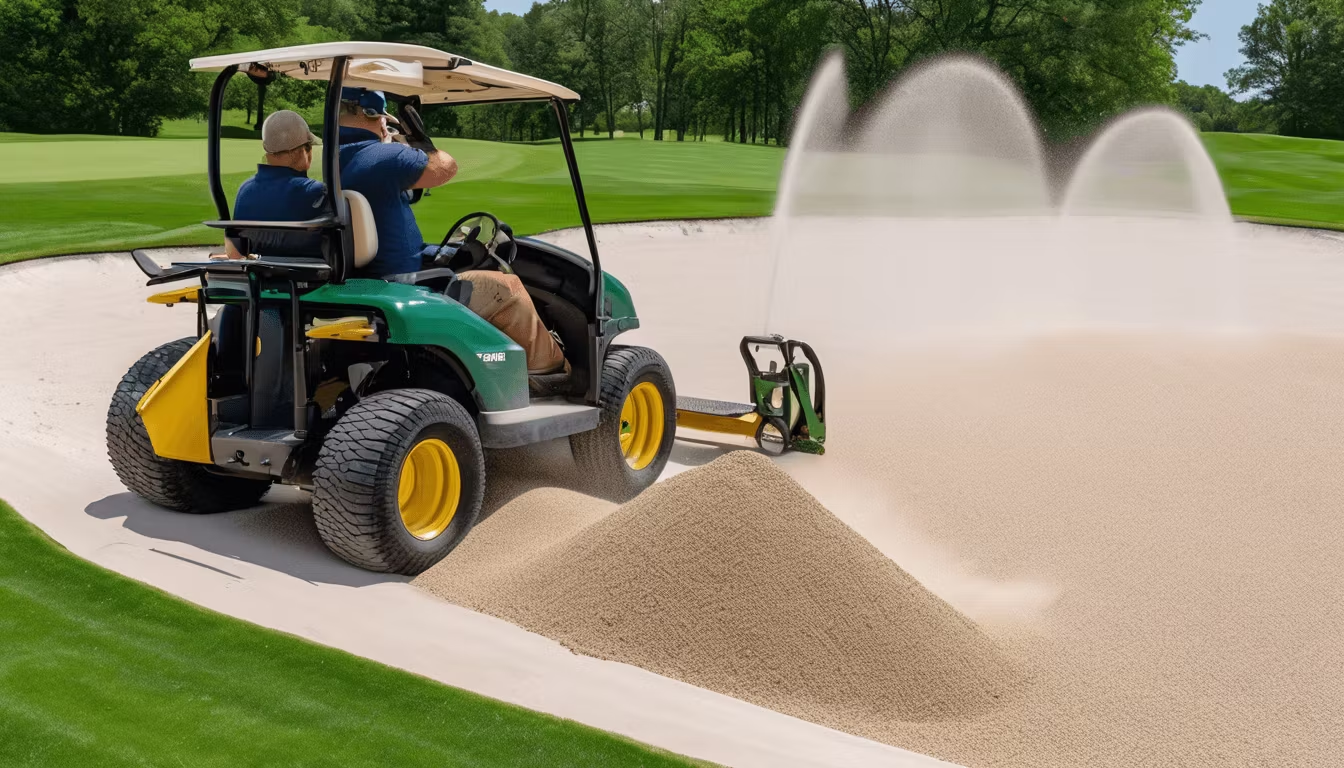
Topdressing—the practice of applying a thin layer of sand to existing turf—is performed dozens of times annually at professional facilities. The objectives include improving surface smoothness, controlling thatch accumulation, and gradually modifying soil composition.
High-quality silica sand topdressing offers multiple benefits:
- Surface Smoothing: Regular applications fill minor depressions and create a more consistent putting surface, reducing speed variation and improving player confidence.
- Thatch Management: Sand particles encourage decomposition of dead grass tissue, preventing the buildup that causes surface softness and disease susceptibility.
- Gradual Profile Modification: Over multiple seasons, topdressing transitions the entire playing surface toward optimal drainage and nutrient profiles without requiring expensive renovation.
- Disease Prevention: Improved drainage and aeration reduce fungal disease pressure, lowering pesticide requirements and improving course sustainability.
Drainage Layers and Root Zone Modification
Beyond surface topdressing, silica sand serves as a critical component in engineered root zone mixes. The USGA profile for golf course greens specifications calls for precise sand blends combined with organic matter and often peat or compost. Silica sand forms the structural foundation of these mixes, providing the drainage framework that the other components depend upon.
For sports fields, particularly football (soccer), rugby, and field hockey venues, similar engineered sand-based root zones provide the firm, consistent playing surface athletes require. The sand's high density and angular particles resist compaction better than rounded alternatives, maintaining performance through intense use.
Bunker Construction and Maintenance
Golf bunkers present unique challenges: they must drain quickly after rain to remain playable, yet retain enough moisture to prevent dust and shifting. Properly specified silica sand achieves this balance. Medium-grade silica sand (typically 0.5mm to 1.5mm) is ideal for bunker applications, offering stability while maintaining free drainage.
Regular bunker sand replacement and topdressing maintains the playing characteristics golfers expect. When sand quality degrades or contaminates with fines, bunker playability deteriorates rapidly. Using SUCOFINDO-certified silica sand ensures consistent bunker performance throughout the season.
Technical Specifications for Golf Course and Sports Turf Silica Sand
Purity and Chemical Composition
Premium silica sand for turf applications requires minimum SiO2 content of 98.5%, with leading suppliers providing 99.74% or higher. This high purity eliminates problematic minerals that can:
- React with water to create compacted layers
- Introduce heavy metals that accumulate in turf tissue
- Alter soil chemistry in unintended ways
- Create dust management issues
Particle Size Distribution
Different turf applications require different particle size distributions:
- Greens Topdressing (30/60 mesh): Creates fine texture for consistent ball roll, ideal for putting surfaces. Particles range from 0.25mm to 0.60mm.
- Fairway Topdressing (20/40 mesh): Slightly coarser than greens sand, providing good drainage while improving surface texture. Used for fairways and intermediate rough areas.
- Bunker Sand (8/20 mesh): Coarser grade that resists compaction and maintains playability. Provides excellent drainage and firm playing characteristics.
- Root Zone Sand (Varied): Often 0.25mm to 2.0mm range as a component of engineered mixes, selected for compatibility with other root zone materials.
USGA specifications provide detailed guidance, but many international courses follow European or Australian standards. Reputable suppliers provide technical data sheets documenting particle size distribution for each product grade.
Physical Properties
Beyond chemical composition, silica sand physical properties impact turf performance:
- Particle Shape: Angular particles (characteristic of mined silica sand) provide better mechanical interlocking and stability compared to rounded beach sand.
- Density: High-density silica sand resists compaction under foot traffic and equipment weight, maintaining drainage performance through intense use.
- Dust Content: Fine particles (fines) should be minimized. Excessive fines create muddy conditions and reduce drainage. Leading suppliers specify maximum fines content (typically <2%).
- Color: While primarily aesthetic, consistent color maintains the course's visual appearance. Natural off-white or tan colors are standard.
Quality Assurance and Sourcing Considerations
Third-Party Testing and Certifications
Professional golf courses and sports facilities cannot accept quality risk. Any sand supplier should provide independent laboratory testing documenting chemical composition, particle size distribution, heavy metals content, and contaminants. SUCOFINDO testing (Indonesia's leading certification body) provides comprehensive verification of these specifications.
International courses often require compliance with USGA specifications or equivalent standards from golf course associations in their region. Ensure your supplier can provide certificates of analysis from recognized laboratories.
Supply Chain Reliability and Consistency
Topdressing and maintenance cannot tolerate supply interruptions. Reputable suppliers maintain sufficient inventory to support ongoing course maintenance schedules. When sourcing silica sand, evaluate:
- Production capacity and annual availability
- Geographic sourcing (multiple mines reduce supply risk)
- Logistics infrastructure for consistent delivery
- Track record with major facilities
CV Indoalam Mineral Persada maintains annual capacity of 2.5 million metric tons of silica sand across multiple sourcing regions in Sulawesi, Kalimantan, and Maluku, ensuring consistent supply for both domestic and international customers.
Sustainability Considerations
Modern golf courses increasingly prioritize environmental responsibility. Sourcing from licensed, responsibly operated mines ensures that expansion and maintenance don't contribute to environmental degradation. Verify suppliers hold appropriate environmental permits and operate under established mining regulations.
Comparing Silica Sand to Alternative Materials
Silica Sand vs. Calcined Clays
Some facilities experiment with calcined clay products as alternatives to silica sand. While these can offer certain advantages (improved water retention in arid climates, for example), they generally lack the long-term performance characteristics of premium silica sand. Clay-based materials can compact more easily, reducing drainage benefits over time.
Silica Sand vs. Recycled or Contaminated Materials
Cost pressure sometimes tempts facilities to use lower-cost alternatives: recycled bunker sand, beach-dredged material, or industrial waste sands. These materials frequently contain problematic fines, organic material, or contaminants that degrade performance. The false economy becomes apparent within a season as drainage performance declines and disease pressure increases.
Silica Sand vs. Regional Alternatives
In different regions, alternative materials may be available. The key evaluation criterion remains performance in your specific climate and turf type. Premium silica sand's consistency, reliability, and proven track record across diverse global conditions make it the preferred choice for professional and elite amateur facilities.
Implementation and Best Practices
Topdressing Schedules
Most golf courses conduct topdressing 20-50+ times annually, with frequency depending on grass type, climate, traffic patterns, and desired playing characteristics. Professional course managers develop detailed topdressing calendars, typically increasing frequency during growing season when grass can quickly recover.
Application rates typically range from 10-30 tons per 18 holes per application, depending on particle size and course size. Smaller, more frequent applications (light topdressing) generally produce better results than occasional heavy applications.
Equipment and Application Methods
Modern topdressing utilizes specialized equipment: Toro/Rain Bird spreaders, Neodeck topdressing units, and alternative gravity-fed systems that ensure uniform coverage. Regardless of equipment, success depends on properly specified, quality-controlled silica sand that flows consistently and distributes evenly.
Integration with Overall Turf Management
Silica sand topdressing works best as one component of comprehensive turf management including proper irrigation, aeration, cultivation, fertilization, and disease management. Excellent sand alone cannot overcome deficiencies in other management areas—but combined with sound practices, quality silica sand dramatically improves outcomes.
Sourcing Premium Silica Sand for Your Facility
Whether you manage a championship golf course, municipal facility, or professional sports venue, sourcing the right silica sand supplier represents a critical business decision. Key criteria include:
- Quality Documentation: Independent lab testing, SUCOFINDO certification, USGA compliance verification
- Supply Reliability: Adequate production capacity, geographic diversity, proven delivery track record
- Technical Support: Willingness to work with your agronomic team, recommendations for grading and application
- Competitive Pricing: Reasonable cost without compromising quality or reliability
- Environmental Responsibility: Licensed mining operations, sustainable practices
CV Indoalam Mineral Persada specializes in premium silica sand for golf courses, sports facilities, and construction applications. With IUP OPK licensing, SUCOFINDO testing, and RKAB approval, Indoalam supplies major facilities across Indonesia and internationally. Our SiO2 99.74% silica sand meets strict specifications for multiple mesh grades (8-200), with flexible supply options from 100 metric tons for trials to 2.5 million tons annually for long-term contracts.
Conclusion: Investing in Excellence Through Quality Silica Sand
Premium silica sand represents a relatively modest investment with outsized impact on golf course and sports turf performance. By prioritizing drainage, playability, and surface consistency through quality topdressing sand, facility managers deliver superior playing experiences while reducing long-term maintenance costs and environmental impact.
The difference between average and exceptional facilities often comes down to attention to details like silica sand specification and sourcing. Professional turf managers understand that cutting corners on sand quality inevitably results in compromised drainage, disease pressure, and player dissatisfaction.
Whether you're beginning a new facility project, planning seasonal maintenance, or evaluating your current supplier, selecting premium-grade silica sand from a reliable, quality-focused supplier ensures your investment in facility excellence continues delivering results season after season.
Ready to upgrade your silica sand sourcing? Contact us today to discuss your facility's requirements and explore how Indoalam's premium silica sand can enhance your golf course or sports turf performance.