Silica Sand for Glass Manufacturing: Specifications & Quality Standards
Introduction: The Critical Role of Silica Sand in Glass Production
Silica sand is the backbone of modern glass manufacturing. Whether producing float glass for architectural applications, container glass for packaging, or specialized glass for solar panels and optics, the quality of your silica sand directly impacts final product performance, production efficiency, and cost competitiveness.
For B2B glass manufacturers across Southeast Asia, sourcing premium-grade silica sand with consistent specifications is non-negotiable. Impurities, inconsistent particle size distribution, and moisture content can lead to color variation, structural weakness, thermal stress, and increased production downtime.
This comprehensive guide covers everything glass manufacturers need to know about silica sand specifications, quality standards, and how to select a reliable supplier.
What Is Silica Sand and Why It Matters for Glass
Chemical Composition and Glass Production
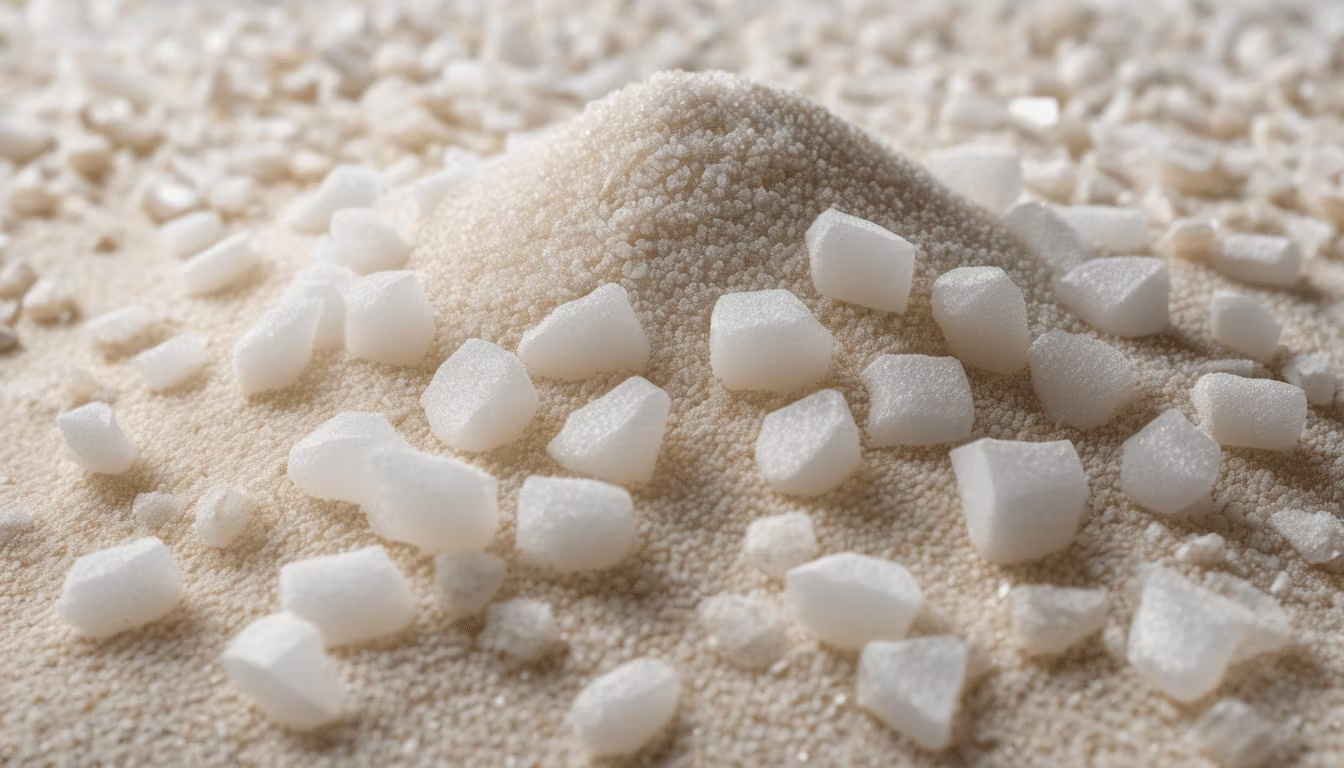
Silica sand, also known as quartz sand, is silicon dioxide (SiO2) in granular form. In glass manufacturing, silica sand serves as the primary raw material—typically comprising 70-75% of the final glass composition by weight. The remaining constituents include soda ash (sodium carbonate), limestone, and various additives depending on the glass type.
When heated to temperatures between 1700-1800°C, high-purity silica sand melts into a homogeneous glass melt. The quality of this melting process and the final glass properties depend critically on the sand's chemical purity and physical characteristics.
Applications Across Glass Industries
Different glass applications demand different silica sand specifications:
- Float Glass: Architectural and automotive glass requires ultra-high purity (SiO2 99%+) and minimal iron oxide content
- Container Glass: Beer bottles, wine bottles, and food jars tolerate slightly lower purity but require consistent particle size
- Fiberglass Production: Demands extremely low alkali metals and specific mesh grades
- Solar Panel Glass: Requires premium SiO2 purity (99.8%+) for optimal light transmission
- Specialty Glass: Optics, laboratory glassware, and decorative glass have highly specific requirements
Essential Silica Sand Specifications for Glass Manufacturing
SiO2 Purity Requirements
The purity of silica sand is measured as SiO2 content by percentage. For glass-grade applications:
- Premium Glass Grade: SiO2 99.5-99.9% (float glass, solar panels, high-end optics)
- Standard Glass Grade: SiO2 99.0-99.5% (container glass, fiberglass)
- Industrial Glass Grade: SiO2 98.0-99.0% (general-purpose containers, tiles)
At CV Indoalam Mineral Persada, our quartz sand specifications reach SiO2 99.74%, positioning us among Southeast Asia's premium suppliers. This exceptional purity eliminates the need for expensive beneficiation processes and ensures consistent melting characteristics.
Iron Oxide (Fe2O3) Content
Iron oxide is one of the most critical impurities in glass-grade silica sand. Even small quantities create undesirable color:
- Fe2O3 <0.05%: Premium white glass, clear glass applications
- Fe2O3 0.05-0.15%: Standard container glass, amber glass
- Fe2O3 >0.15%: Green glass, decorative applications only
The melting point of glass is also affected by iron content. Higher iron oxide concentrations lower the melting temperature, which can lead to thermal stress and color inconsistency during production.
Alumina (Al2O3) and Alkali Metals (Na2O, K2O)
Alumina content typically ranges 0.1-0.3% in glass-grade silica sand. Controlled Al2O3 improves glass durability and scratch resistance, but excessive amounts create viscosity problems.
Alkali metals (sodium and potassium oxides) must be minimized because they lower glass melting points and can cause devitrification—the unwanted crystallization of glass during cooling.
Particle Size and Mesh Grades
Mesh grade refers to particle size distribution. Glass manufacturers require specific mesh grades depending on the application:
- Mesh 8: Coarse sand, used in certain container glass applications
- Mesh 40-60: Medium sand, standard for most float glass and container glass
- Mesh 100-150: Fine sand, preferred for fiberglass and solar glass
- Mesh 200: Ultra-fine sand, specialized optics and premium applications
CV Indoalam supplies multiple mesh grades (8-200) from our Indonesian sourcing regions in Sulawesi, Kalimantan, and Maluku, allowing glass manufacturers to optimize their production runs without supplier switching.
Moisture Content and Bulk Density
Moisture content should be <0.5% for optimal melting. Excess moisture causes steam pockets in molten glass, creating defects and safety hazards in high-temperature furnaces.
Bulk density typically ranges 1.5-1.6 g/cm³ for glass-grade silica sand, affecting handling and storage efficiency. Consistent density ensures predictable feed rates into glass furnaces.
Quality Standards and Testing Protocols
International Quality Standards
Glass-grade silica sand is evaluated against several international standards:
- ISO 12103-1: Test dust and microspheres
- ASTM C25: American standards for silica sand in glass manufacture
- EN 12407: European standards for natural stone test methods
- Chinese GB/T 3286: Industrial silica sand classification
SUCOFINDO Testing and Certification
At CV Indoalam, all silica sand shipments are third-party tested by SUCOFINDO, Indonesia's leading independent testing laboratory. Each batch receives certification covering:
- Chemical composition (SiO2, Fe2O3, Al2O3, CaO, MgO)
- Particle size distribution analysis
- Moisture content verification
- Heavy metals screening (lead, arsenic, cadmium)
- Bulk density and porosity measurements
This independent verification protects glass manufacturers from batch-to-batch variation and provides clear documentation for quality assurance records.
Sourcing High-Quality Silica Sand: What Glass Manufacturers Should Know
Direct-from-Mine Advantage
Glass manufacturers purchasing silica sand should understand supply chain structure. Some suppliers are middlemen, buying from multiple small-scale miners and blending sources—creating inconsistent quality. CV Indoalam operates as a direct supplier, controlling sand from extraction through processing to shipment. This vertical integration ensures:
- Consistent SiO2 purity across multiple shipments
- Faster quality resolution if issues arise
- Transparent sourcing documentation
- Competitive pricing without middleman markups
Licensing and Regulatory Compliance
Industrial silica sand sourcing requires proper government licensing. CV Indoalam holds IUP OPK (Izin Usaha Pertambangan Operasi Produksi Khusus) licenses for mineral logam and non-logam, RKAB (Rencana Kerja dan Anggaran Biaya) approval, and full compliance with Indonesian mining regulations. These certifications ensure:
- Legal, sustainable extraction practices
- Environmental compliance and reclamation standards
- Export documentation and customs clearance support
- Liability protection for international customers
Flexible Supply Capacity
Glass manufacturers have varying requirements—from initial trials to production-scale contracts. Leading suppliers should offer flexibility:
- Trial quantities: 100 MT minimum orders for testing
- Standard contracts: 500-2,500 MT monthly supplies
- Long-term partnerships: Up to 2.5 million metric tons annually
CV Indoalam's annual capacity reaches 2.5 million metric tons, accommodating everything from small regional glass plants to large integrated facilities.
Specifications Comparison: Glass-Grade vs. Industrial-Grade Silica
Key Differentiators
Understanding the distinction between glass-grade and industrial-grade silica sand helps manufacturers specify correctly:
| Parameter | Glass-Grade | Industrial-Grade |
|---|---|---|
| SiO2 Purity | 99.0-99.9% | 95-98% |
| Fe2O3 Content | <0.05-0.15% | 0.2-0.5% |
| Al2O3 Content | 0.1-0.3% | 0.3-1.0% |
| Testing Requirements | Full third-party certification | Basic supplier testing |
| Price Premium | 20-40% higher cost | Baseline cost |
| Applications | Float glass, solar, optics | Foundries, construction, ceramics |
While industrial-grade silica can sometimes be used in container glass, glass-grade material provides superior consistency, reduced defect rates, and ultimately lower total cost of ownership.
Sourcing Silica Sand from Indonesian Suppliers: Advantages and Considerations
Why Indonesia?
Indonesia is one of the world's premier silica sand producers, with extensive reserves in Sulawesi, Kalimantan, and Maluku. Advantages include:
- Abundant, high-quality deposits with SiO2 content often exceeding 99%
- Competitive pricing due to established supply chains
- Strategic location for Asian markets (lower shipping costs to India, China, Southeast Asia)
- Established infrastructure for export documentation and logistics
Supply Chain Logistics
Glass manufacturers importing Indonesian silica sand should plan for:
- Shipping Time: 3-4 weeks to major Asian ports; 6-8 weeks to Europe or North America
- Minimum Order Quantities: 100 MT for trial; 500+ MT for economical container shipping
- Payment Terms: Standard L/C (Letter of Credit) or confirmed advance payment for first orders
- Documentation: SUCOFINDO certificates, IUP licenses, export permits, and customs clearance included
Quality Assurance: Best Practices for Glass Manufacturers
Incoming Inspection Protocols
Upon receiving silica sand shipments, glass manufacturers should implement:
- Visual Inspection: Check for discoloration, moisture clumping, or foreign materials
- Sample Testing: Retain samples from each shipment for independent lab verification
- Specification Comparison: Cross-reference SUCOFINDO certificates against your glass production requirements
- Furnace Performance Tracking: Monitor batch-to-batch melting characteristics and final glass quality
Long-Term Supplier Relationships
Successful glass manufacturers build long-term relationships with silica sand suppliers. Benefits include:
- Priority allocation during market shortages
- Volume-based pricing advantages
- Collaborative problem-solving when production issues arise
- Advance notice of price changes and market conditions
CV Indoalam: Your Trusted Silica Sand Partner
CV Indoalam Mineral Persada specializes in premium silica sand for glass manufacturers across Indonesia and internationally. Our offering includes:
- Exceptional SiO2 purity (99.74%) from controlled, licensed mining operations
- Full SUCOFINDO lab testing and certification for every batch
- Multiple mesh grades (8-200) to match your specific production requirements
- Flexible supply: 100 MT trials through 2.5M MT/year partnerships
- Direct-from-mine pricing without middleman markups
- Full regulatory compliance (IUP OPK, RKAB, export documentation)
Whether you operate a small specialty glass plant or a large float glass facility, we provide the consistent, high-quality silica sand that glass manufacturers demand. Our sourcing regions in Sulawesi, Kalimantan, and Maluku ensure reliable, year-round supply.
Additionally, CV Indoalam supplies complementary materials for the glass industry. If your operations include metal casting or require zircon sand for specialized applications, we offer integrated solutions from a single trusted supplier.
Conclusion: Making the Right Silica Sand Choice
Selecting the right silica sand supplier is a strategic decision that impacts glass quality, production efficiency, and profitability. Key factors include:
- Consistent SiO2 purity matching your glass type requirements
- Independent third-party testing and certification
- Full regulatory licensing and export compliance
- Reliable supply capacity and logistics
- Responsive technical support and problem-solving partnership
CV Indoalam delivers on all these dimensions. We're not simply a commodity supplier—we're a technical partner invested in your glass production success.
Contact us today to discuss your silica sand requirements, request samples, or learn how CV Indoalam can support your glass manufacturing operation with premium-grade quartz sand specifications and reliable logistics.