Nickel Ore Grading & Quality Control: Smelter Buyer's Guide
Understanding Nickel Ore Grading: A Complete Overview
Nickel ore grading is the cornerstone of successful procurement for smelters, foundries, and metal processors. In the competitive global nickel market, understanding how ore is classified, tested, and valued directly impacts your operational efficiency and bottom line. This comprehensive guide walks you through the technical and practical aspects of nickel ore quality control that every B2B buyer should know.
The nickel ore market in Southeast Asia, particularly Indonesia, has become increasingly sophisticated. With Indonesia's export ban on raw nickel ore, domestic smelters face heightened competition for premium-grade ore that meets strict processing requirements. Whether you're evaluating nickel ore from established suppliers or negotiating long-term contracts, understanding grading standards and quality metrics is non-negotiable.
The Two Primary Nickel Ore Types: Saprolite vs. Limonite
Saprolite Nickel Ore: High-Grade Processing Material
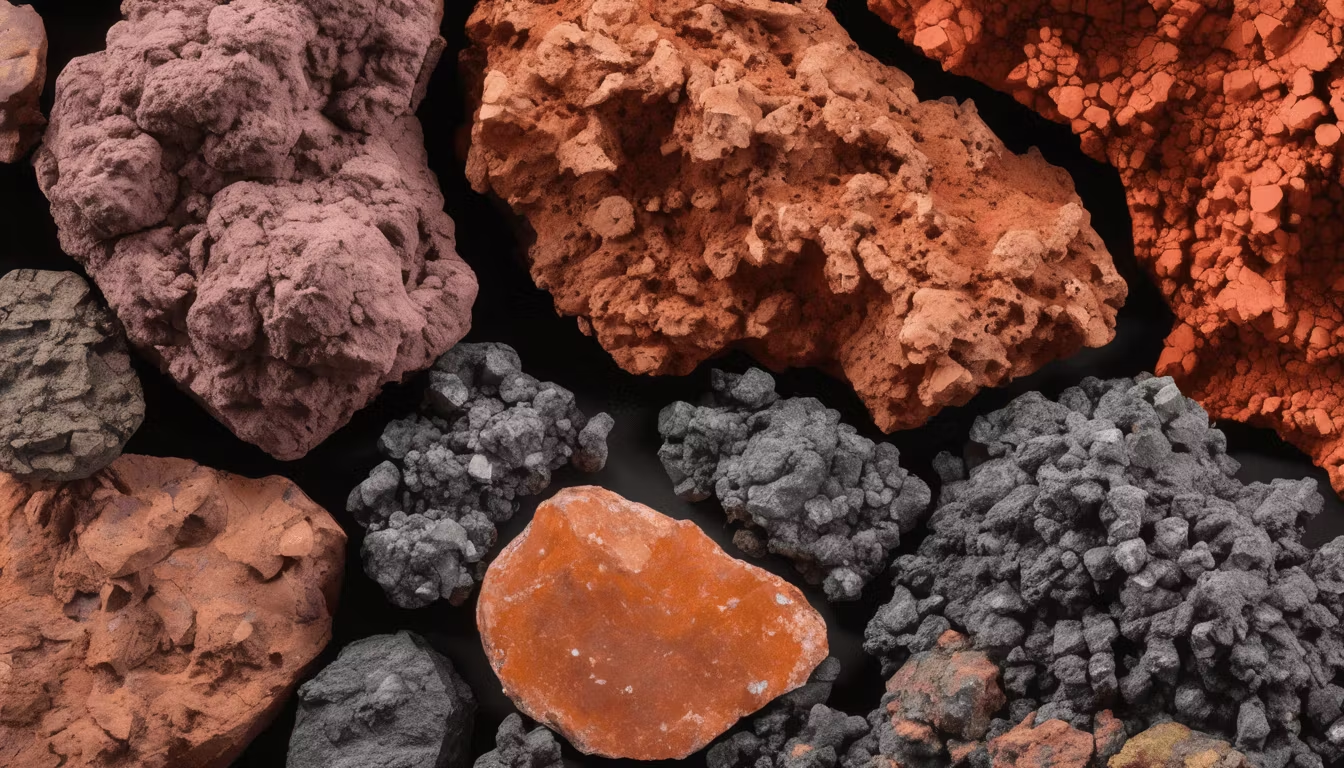
Saprolite nickel ore represents the upper tier of laterite ore classifications. Formed through intensive weathering of ultramafic rocks in tropical climates, saprolite ore typically contains nickel content ranging from 1.5% to 2.0% (Ni). This higher concentration makes saprolite the preferred feedstock for pyrometallurgical processes, particularly nickel pig iron (NPI) and ferronickel production.
Key characteristics of saprolite ore include:
- Nickel Content: 1.5-2.0% Ni (premium grade)
- Iron Content: Generally moderate, typically 35-45% Fe
- Magnesium Oxide: Ranges from 8-12% MgO
- Moisture Content: 15-25% (varies by processing and storage)
- Particle Size: Coarser structure compared to limonite
Saprolite's chemical composition makes it ideal for direct smelting in blast furnaces and electric arc furnaces (EAF). The ore's roasting behavior and reduction characteristics are well-understood by established smelters, reducing operational risk.
Limonite Nickel Ore: Volume Play with Processing Challenges
Limonite ore represents the lower laterite layer, with nickel content typically between 0.8% and 1.2% (Ni). While lower in grade than saprolite, limonite constitutes the majority of recoverable nickel resources in Indonesia and is increasingly important for high-pressure acid leaching (HPAL) and hydrometallurgical processes.
Limonite ore characteristics:
- Nickel Content: 0.8-1.2% Ni (lower grade)
- Iron Content: Higher than saprolite, typically 40-50% Fe
- Magnesium Oxide: Lower MgO content, approximately 6-10%
- Silica Content: Often higher, 15-25% SiO2
- Moisture: Significantly higher, often 30-40% due to fine structure
The higher moisture and finer particle distribution of limonite require different processing approaches. Many modern smelters have invested in calcination technology to reduce moisture and improve ore handling characteristics before smelting.
Nickel Content Testing: Laboratory Methods and Standards
Industry-Standard Testing Protocols
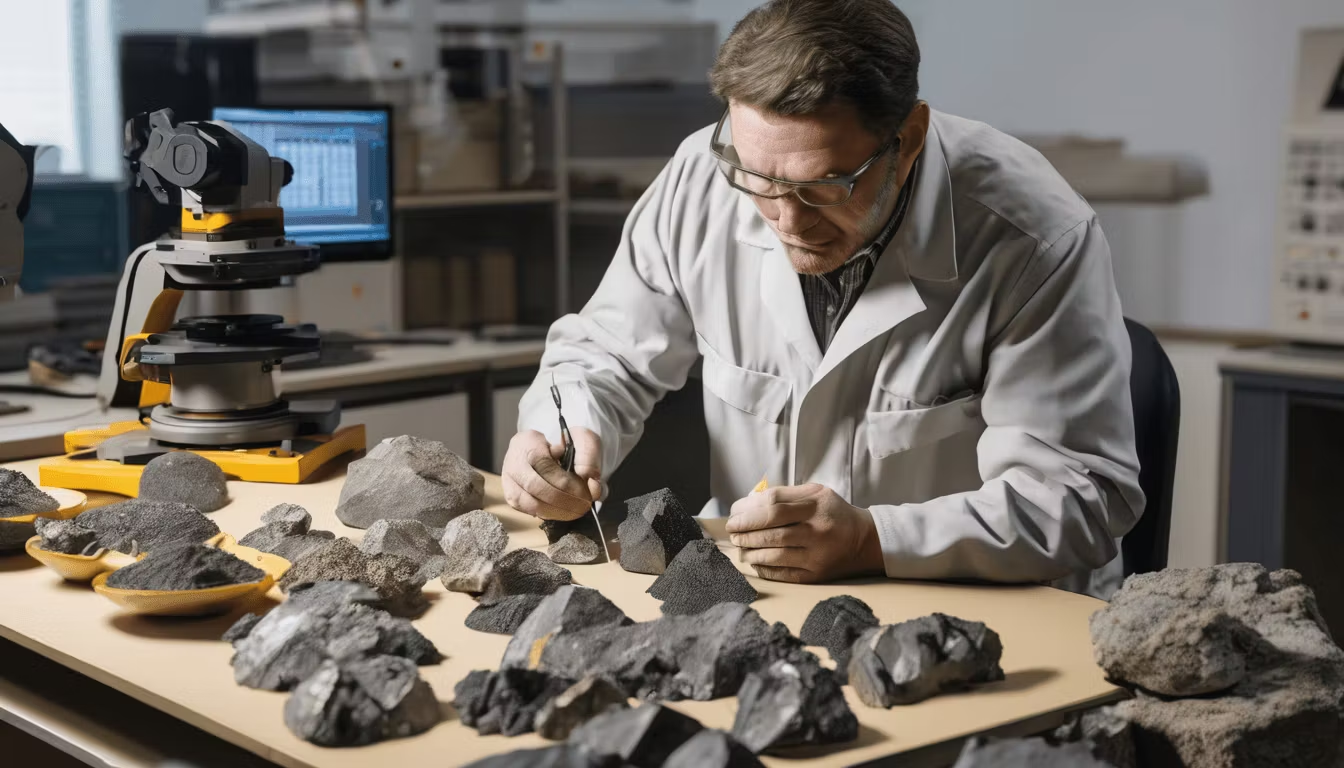
Accurate nickel quality control depends on rigorous laboratory analysis. The standard method for determining Ni content is X-ray fluorescence (XRF) spectroscopy, complemented by inductively coupled plasma (ICP) analysis for verification. In Indonesia, SUCOFINDO (PT Sucofindo) certification is the industry benchmark for ore testing and quality assurance.
The testing process involves:
- Sampling: Representative samples collected according to ISO 3081 standards
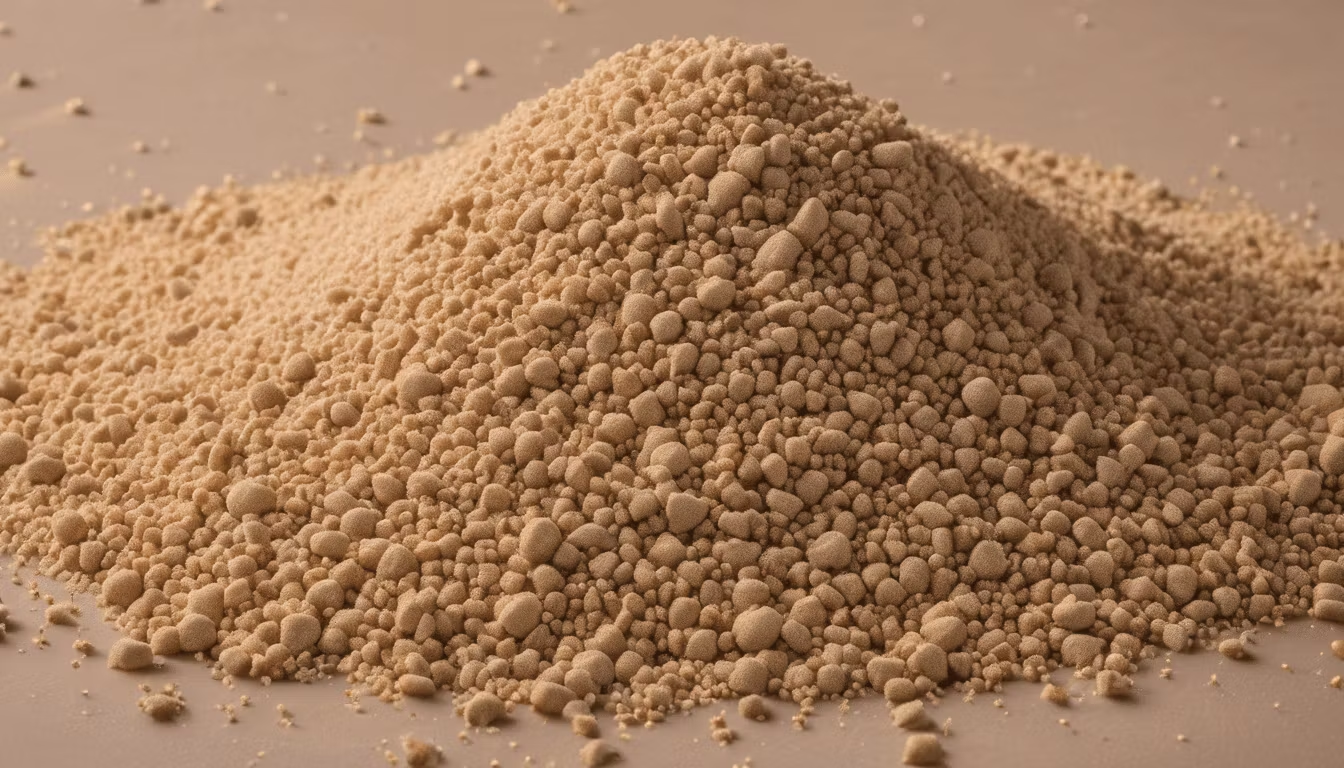
- Crushing and Grinding: Samples reduced to consistent particle size (-200 mesh preferred)
- XRF Analysis: Primary determination of major and minor elements
- ICP Verification: Secondary confirmation of nickel, iron, and critical elements
- Moisture Analysis: Karl Fischer titration or oven drying at 105°C
- Reporting: Certified test reports with traced standards
Critical Elements Beyond Nickel Percentage
While nickel content is paramount, smelter operators understand that ore quality extends well beyond the Ni percentage. Several impurities and associated elements significantly impact processing costs and product quality:
- Iron (Fe): Essential in some ratios but excessive iron increases slag volume and energy consumption
- Magnesium (Mg): Beneficial in controlled amounts; critical for slag chemistry
- Silica (SiO2): High silica increases acid consumption in HPAL or slag requirements in pyrometallurgy
- Chromium (Cr): Valuable byproduct but requires monitoring for environmental compliance
- Cobalt (Co): Often recovered as premium byproduct; content tracking is economically important
- Aluminum (Al): Present in variable quantities; affects slag chemistry
Ore Sampling: The Foundation of Quality Assurance
Sampling Standards and Protocols
No testing method is better than the sample it analyzes. Proper ore sampling according to ISO 3081 and ISO 2597 standards is essential for obtaining representative results. For large shipments (100+ metric tons), multi-point sampling ensures statistical validity.
Best practices for nickel ore sampling include:
- Sampling at multiple points across the stockpile (minimum 10-15 points for 1000 MT)
- Taking samples from top, middle, and bottom sections to account for segregation
- Using clean sampling equipment to prevent cross-contamination
- Documenting GPS coordinates, time, and visual characteristics
- Splitting samples for independent verification analysis (buyer and seller)
- Proper storage and chain-of-custody documentation
Third-Party Verification and Dispute Resolution
For large commercial transactions, third-party inspection by independent laboratories like SUCOFINDO provides neutral verification. This reduces disputes and builds confidence in long-term supplier relationships. Many industry contracts include provisions for independent verification if buyer and seller results diverge by more than 0.1% Ni content.
Nickel Ore Grading Standards in Commercial Contracts
Specification Parameters for Purchase Agreements
Professional purchase agreements for nickel ore typically specify minimum grades and tolerance ranges. Understanding these contract specifications is crucial for procurement decisions:
- Guaranteed Minimum Nickel: Usually stated as dry basis (e.g., "minimum 1.75% Ni, dry basis")
- Moisture Adjustment: Price adjustments based on actual moisture content versus baseline
- Off-Spec Parameters: Tolerance ranges for iron, silica, and magnesium
- Maximum Deleterious Elements: Limits on arsenic, mercury, lead, and other environmental concerns
- Particle Size Distribution: Specifications for mesh size consistency
- Testing Methodology: Explicit statement of which laboratory and methods apply
Dry Basis vs. As-Received Testing
A critical distinction in nickel ore contracts is whether nickel content is reported on a "dry basis" or "as-received basis." Since moisture content can vary significantly (15-40% for typical Indonesian ore), price adjustments tied to moisture changes are standard practice. Most contracts use dry basis for primary grading, with moisture-adjusted pricing mechanisms to ensure fair dealing despite seasonal and storage variations.
Quality Control in Storage and Transportation
Preventing Degradation During Logistics
Nickel ore quality can deteriorate during storage and transportation if not properly managed. Environmental exposure and oxidation can impact assay results and smelter performance:
- Weathering: Exposed ore can oxidize, affecting moisture content and potentially Ni recovery rates
- Segregation: Finer particles settle during transport, creating inconsistent ore throughout the shipment
- Contamination: Mixing ore grades or contamination with foreign material reduces average quality
- Moisture Changes: Rain exposure increases moisture; drying periods may cause preferential moisture loss in finer fractions
Professional suppliers implement quality control measures including tarp coverage, proper stacking methods, and scheduled re-sampling for long-term contracts.
Comparative Value: Understanding Price Premiums for Quality
Grade Premiums and Penalty Structures
Nickel ore pricing reflects quality differences through premium and penalty systems. Understanding these mechanics helps buyers optimize sourcing decisions:
- Each 0.1% increase in Ni content above the contract minimum typically commands a premium (0.5-1% per 0.1% Ni)
- High iron content may incur penalties due to increased smelting costs
- Low silica ore commands premiums in HPAL operations where acid costs are significant
- Consistent quality reduces buyer processing risk and may justify premium pricing
Sourcing Premium Nickel Ore in Indonesia
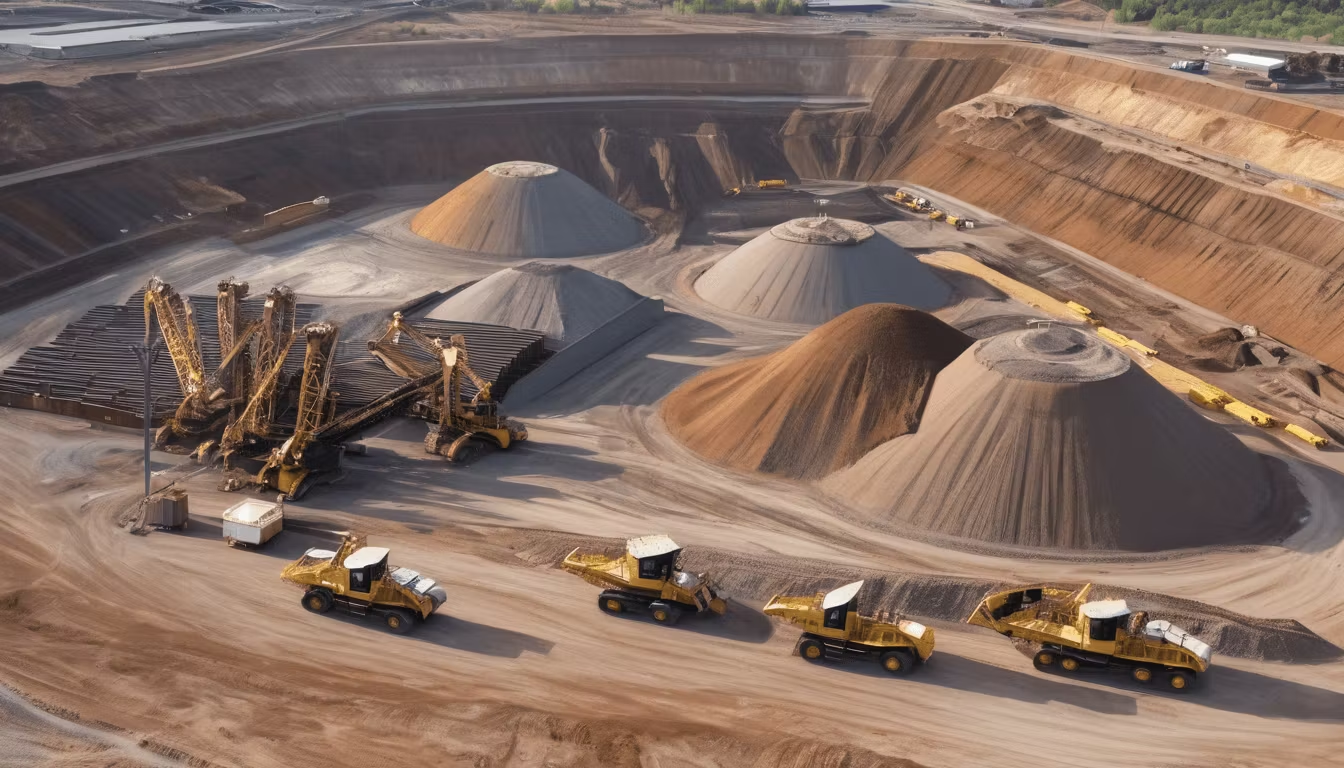
Indonesia produces some of the world's highest-quality laterite nickel ore, concentrated in regions like Sulawesi (Morowali, Konawe) and Kalimantan. Direct sourcing from licensed producers with proper IUP OPK permits and SUCOFINDO certification ensures compliance and quality assurance.
When evaluating nickel ore suppliers, verify:
- Valid IUP OPK (Izin Usaha Pertambangan Operasi Produksi) licenses
- SUCOFINDO certification for all quality testing
- RKAB (Rencana Kerja dan Anggaran Biaya) approval from local mining authorities
- Long-term track record of consistent supply and quality
- Capability to handle trial orders and scaling to full production volumes
Beyond Nickel Ore: Complementary Materials for Integrated Operations
Many smelters and industrial processors benefit from diversified sourcing. If you're already sourcing nickel ore, you may find value in related materials. For instance, foundries often combine nickel ore sourcing with aluminium ingot procurement for alloy production. Similarly, processors working with silica sand for refractory or industrial applications may integrate these alongside nickel supply chains for operational efficiency.
Implementing Quality Control in Your Operations
Internal Testing and Verification
Forward-thinking smelters implement in-house verification testing as a supplement to supplier certification. This approach:
- Provides rapid turnaround for lot acceptance decisions
- Creates historical data for process optimization
- Identifies trends in supplier consistency over time
- Supports regulatory documentation and traceability
Many operations maintain XRF equipment and trained technicians for preliminary assays, with SUCOFINDO certification serving as final verification.
Building Long-Term Supplier Partnerships
The best nickel ore sourcing outcomes come from stable, transparent relationships with reliable suppliers. Key elements include:
- Regular communication about quality expectations and market conditions
- Collaborative problem-solving when off-spec material occurs
- Volume commitments that allow suppliers to optimize their operations
- Fair pricing that reflects both quality premiums and volume economics
Conclusion: Quality Control as Competitive Advantage
Nickel ore grading and quality control directly influence smelter profitability and competitiveness. In an environment where Indonesia's nickel export restrictions limit supply options, securing consistent, premium-grade ore from reliable suppliers becomes strategically important. Mastering the technical aspects of Ni content testing, understanding ore sampling protocols, and implementing rigorous verification procedures protects your investments and optimizes your processing performance.
The most successful smelters treat nickel ore sourcing not as a commodity transaction but as a critical supply chain partnership. By understanding grading standards, testing methodologies, and quality metrics, you're equipped to make informed procurement decisions and negotiate contracts that deliver genuine value.
Ready to secure premium-grade nickel ore with verified quality? CV Indoalam Mineral Persada specializes in supplying saprolite and limonite nickel ore directly from licensed Indonesian mines, with full SUCOFINDO testing and IUP OPK certification. Our flexible supply model supports everything from 100 MT trial orders to multi-million-ton annual contracts. Contact us to discuss your nickel ore requirements and explore how direct sourcing can improve your operational margins.