Indonesia's Mineral Export Ports: Infrastructure Guide for B2B Traders
Understanding Indonesia's Mineral Export Port Infrastructure
Indonesia stands as one of the world's largest mineral producers, with sophisticated port infrastructure supporting billions of dollars in annual mineral exports. For B2B trading companies and mining enterprises, understanding how mineral export ports operate is critical for optimizing supply chains and ensuring timely delivery of commodities to global markets.
The nation's strategic geographical position across major shipping lanes, combined with modern bulk cargo terminals, makes Indonesia an essential hub for mineral logistics. Whether you're sourcing silica sand for glass manufacturing, nickel ore for smelting operations, or other industrial minerals, port infrastructure plays a vital role in your trading operations.
Key Indonesian Ports for Mineral Exports
Semarang Port: Central Java's Trading Gateway
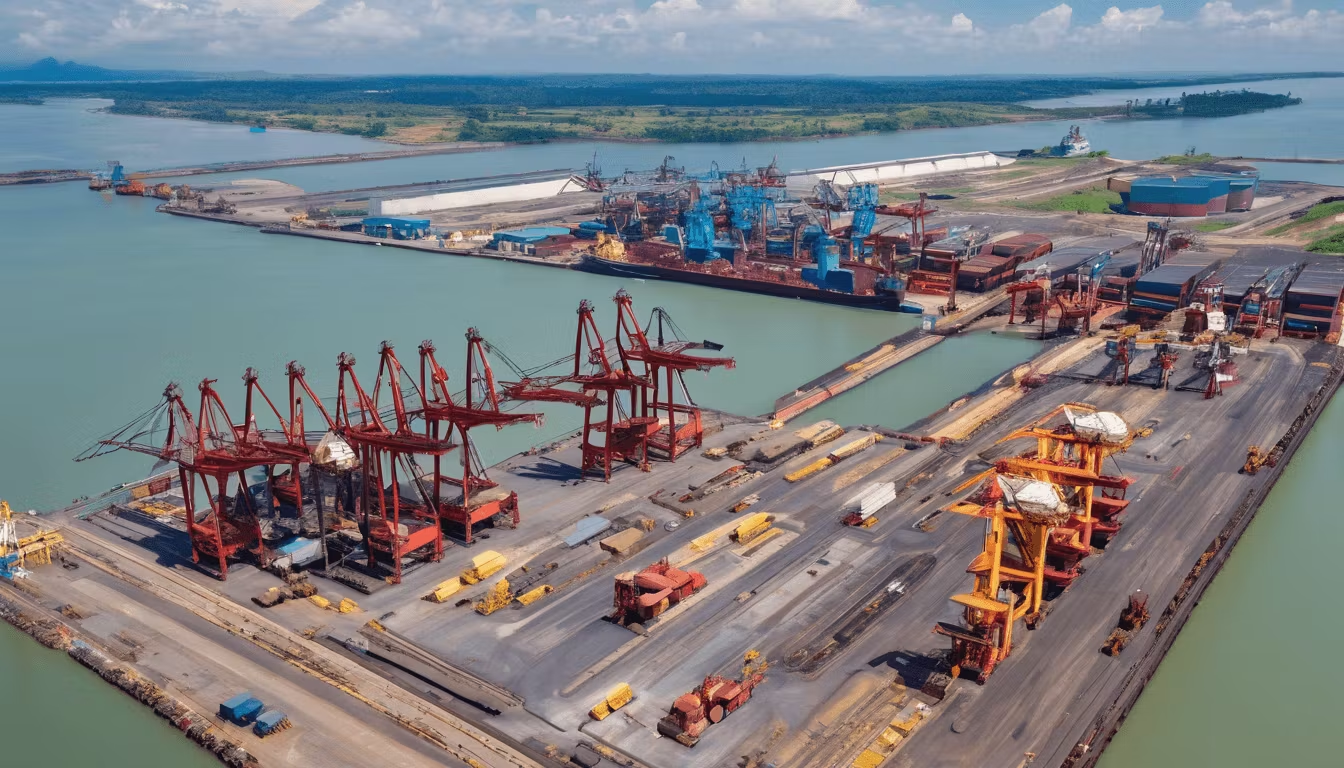
Semarang Port serves as one of Indonesia's busiest mineral export hubs, handling significant volumes of bulk commodities. Located on the north coast of Java, it provides excellent connectivity to East Asian markets and beyond. The port features dedicated bulk cargo terminals equipped with modern conveyor systems and storage facilities designed specifically for mineral handling.
For companies shipping industrial minerals across Southeast Asia, Semarang offers competitive handling rates and efficient customs clearance processes. The port's proximity to major manufacturing zones in Central Java makes it particularly valuable for suppliers serving the region's ceramic, tile, and glass industries.
Balikpapan Port: Kalimantan's Mineral Powerhouse
Balikpapan Port in East Kalimantan is strategically positioned to serve the eastern Indonesian mining regions. The port handles enormous volumes of mineral exports, including coal, nickel ore, and silica products. Its deep-water terminals accommodate large bulk carriers, reducing loading times and logistics costs.
The port's proximity to major mining operations in Sulawesi and Kalimantan—regions rich in mineral deposits—makes it an ideal export point for bulk mineral shipments. Modern port infrastructure includes automated cargo handling systems and comprehensive storage facilities.
Makassar Port: Sulawesi's Distribution Center
Makassar Port in South Sulawesi serves as a critical logistics hub for eastern Indonesian mineral exports. The port's strategic location makes it particularly important for nickel ore distribution, given Sulawesi's dominance in nickel production. Advanced bulk handling equipment and deep-water berths allow efficient loading of large shipments destined for smelters across Asia and Europe.
Tanjung Priok: Java's International Gateway
As Indonesia's largest and busiest port, Tanjung Priok in Jakarta handles significant mineral export volumes alongside containerized cargo. While primarily serving as a general cargo port, its infrastructure and international connectivity make it valuable for premium mineral products and time-sensitive shipments. The port offers excellent connections to major global markets and robust customs infrastructure.
Bulk Cargo Terminal Infrastructure and Capabilities
Modern Loading and Handling Systems
Contemporary Indonesian mineral export ports feature advanced bulk cargo handling systems designed for efficient, safe mineral transport. These facilities include ship-loaders, conveyor belts, and automated stockpiling systems that minimize contamination and product loss during handling.
The best-equipped terminals operate 24/7 loading operations, allowing vessels to be loaded quickly and reducing demurrage costs for exporters. For high-volume shipments of commodities like quartz sand or aluminium products, these capabilities are essential for maintaining cost-effective supply chains.
Storage and Inventory Management
Modern mineral export ports maintain large covered and open storage facilities accommodating various mineral types. Climate-controlled warehouses protect sensitive commodities from moisture and contamination, while open-air stockpiles serve minerals stable in outdoor conditions.
Sophisticated inventory management systems track mineral grades, volumes, and locations in real-time. This infrastructure is particularly important for trading companies managing multiple product grades—such as different mesh sizes of silica sand or varying nickel ore specifications—requiring precise segregation and traceability.
Quality Control and Testing Facilities
Most major mineral export ports operate integrated testing laboratories certified by recognized bodies like SUCOFINDO. These facilities conduct rapid assay testing, moisture analysis, and grade verification before shipment, ensuring compliance with buyer specifications and international quality standards.
For B2B buyers sourcing industrial minerals, port-based laboratory certification provides independent verification of product quality before vessel loading, reducing disputes and ensuring contract compliance.
Logistics Networks Supporting Mineral Exports
Transportation from Mine to Port
Indonesia's mineral export infrastructure depends on integrated land transportation networks connecting mining regions to coastal ports. Heavy-duty trucking routes and industrial railway lines transport minerals from mines in Sulawesi, Kalimantan, and Maluku to export terminals.
The journey from mine to port significantly impacts final export costs. Companies like CV Indoalam operate strategic sourcing networks from major mining regions—Morowali, Konawe in Sulawesi, and mineral-rich areas across Kalimantan—ensuring efficient mineral aggregation and port delivery.
Port-to-Vessel Operations
Once minerals arrive at export ports, they enter rapid turnaround operations. Modern bulk carriers are loaded directly from port facilities using shore-based ship-loaders or self-sustaining vessel equipment. For aluminium ingot and other breakbulk commodities, specialized handling protocols ensure safe, damage-free loading.
Professional stevedoring companies manage these operations, employing skilled personnel and safety protocols meeting international maritime standards. Efficient port operations can reduce per-ton shipping costs by 20-30% compared to slower, less developed facilities.
Vessel Selection and Scheduling
Indonesian mineral exporters work with diverse vessel types—Panamax and post-Panamax bulk carriers for large international shipments, and smaller coasters for intra-Asian trading. Modern port infrastructure accommodates various vessel sizes, providing scheduling flexibility for different export volumes.
B2B trading companies benefit from port infrastructure supporting flexible vessel scheduling, allowing consolidation of smaller shipments into efficient vessel loads or rapid deployment of spot vessels for urgent orders.
Regulatory Framework and Export Documentation
Licensing and Compliance Requirements
Mineral exports from Indonesia require multiple regulatory approvals. The Ministry of Energy and Mineral Resources (MEMR) administers IUP (Izin Usaha Pertambangan) licenses for mining operations and trading rights. Export companies must maintain valid permits and demonstrate compliance with environmental and safety regulations.
Professional mineral trading companies maintain comprehensive documentation and certifications. CV Indoalam, for example, operates under full IUP OPK licensing covering mineral logam, non-logam, and fuel products, with SUCOFINDO testing certification and RKAB environmental approvals—standards ensuring buyer confidence in product legitimacy and quality.
Customs and Port Documentation
Indonesian ports operate modern customs systems with electronic documentation requirements. Exporters submit detailed shipping documentation including: commercial invoices, packing lists, certificates of origin, quality test reports, and export licenses.
Efficient port infrastructure includes dedicated customs areas with rapid document processing, reducing vessel waiting times. For B2B buyers arranging imports, streamlined customs procedures at major Indonesian ports reduce total transaction times and shipping costs.
Environmental and Safety Compliance
Modern Indonesian mineral export ports enforce stringent environmental regulations, requiring dust control systems, waste management protocols, and emissions monitoring. These standards protect port communities and ensure compliance with international maritime environmental conventions.
Professional exporters invest in environmentally compliant handling procedures, benefiting from modern port infrastructure designed to minimize environmental impact while maintaining operational efficiency.
Costs and Economic Factors in Mineral Port Operations
Port Charges and Handling Fees
Port operating costs vary by facility and cargo type. Major bulk cargo terminals typically charge per-ton handling fees ranging from $2-5 USD depending on commodity type, vessel size, and port congestion levels. Storage charges apply for minerals exceeding free-time allowances.
Experienced trading companies optimize port selection based on total landed costs, considering handling fees, storage rates, vessel scheduling options, and proximity to mineral sources. Strategic port selection can reduce overall export costs by 10-15% for high-volume shipments.
Vessel Costs and Scheduling Economics
Bulk carrier daily rates fluctuate based on global supply-demand dynamics and fuel costs. Efficient port infrastructure reduces vessel idle time and demurrage charges—the most expensive component of shipping for slow-moving cargo.
Modern Indonesian ports supporting rapid turnaround operations—12-24 hour vessel loading—significantly reduce shipping costs compared to slower facilities requiring multi-day stays.
Future Developments in Indonesian Port Infrastructure
Expansion Projects and Infrastructure Investment
Indonesia continues investing in port infrastructure expansion, particularly in eastern regions supporting growing mineral production. New deep-water terminals under development will accommodate mega-bulk carriers (200,000+ DWT), further reducing per-ton shipping costs.
These infrastructure developments promise improved export capacity and cost efficiency for mineral commodities, benefiting both domestic traders and international buyers sourcing Indonesian minerals.
Digitalization and Port Operations
Leading Indonesian ports implement digital systems for cargo tracking, customs clearance, and vessel scheduling. Blockchain-based documentation systems are emerging, streamlining international trade and improving supply chain transparency.
For B2B buyers implementing supply chain visibility programs, modern Indonesian ports offer real-time cargo tracking and digital documentation meeting international standards.
Choosing the Right Mineral Supplier with Port Expertise
For companies sourcing Indonesian minerals, selecting suppliers with deep port infrastructure knowledge and operational relationships is critical. Reliable exporters maintain established connections with major ports, understand compliance requirements, and optimize logistics for competitive pricing.
Reputable mineral traders like CV Indoalam combine direct sourcing from mining regions with established port operations, ensuring efficient aggregation, quality certification, and export logistics. Whether you require zircon sand for ceramics manufacturing or other industrial minerals, suppliers with integrated port expertise deliver significant advantages.
Conclusion: Leveraging Indonesia's Port Infrastructure for Mineral Supply
Indonesia's sophisticated mineral export port infrastructure represents a significant competitive advantage for B2B traders and industrial buyers sourcing minerals globally. Modern bulk cargo terminals, efficient logistics networks, and professional port operations combine to deliver cost-effective, reliable mineral exports meeting the highest international quality standards.
For companies establishing or expanding mineral supply chains, understanding Indonesia's port infrastructure—from bulk cargo handling capabilities to regulatory compliance requirements—enables strategic sourcing decisions maximizing value and reliability.
CV Indoalam Mineral Persada leverages comprehensive port infrastructure knowledge and operational relationships to deliver competitively priced, quality-certified minerals to customers worldwide. With sourcing operations across Indonesia's major mining regions and established export logistics, Indoalam ensures reliable supply of nickel ore, silica products, aluminium ingots, and specialty minerals. Contact us today to discuss your mineral supply requirements and discover how our port-integrated operations deliver exceptional value for your business.