B2B Mineral Trading in Indonesia: A Complete Buyer's Guide

B2B Mineral Trading in Indonesia: A Complete Buyer's Guide
Indonesia stands as one of the world's richest repositories of mineral resources, producing everything from precious metals to industrial minerals that fuel global manufacturing. For B2B buyers seeking to source minerals at scale, understanding the Indonesian mineral trading ecosystem is critical to securing stable supply chains, maintaining quality standards, and managing costs effectively.
This comprehensive guide walks you through the essentials of B2B mineral trading in Indonesia—from identifying the right suppliers to understanding regulatory compliance and negotiating favorable terms. Whether you're a cement manufacturer, foundry operator, glass producer, or international commodity trader, this resource will help you navigate the complexities of Indonesia's mineral market.
Understanding Indonesia's Mineral Trading Landscape
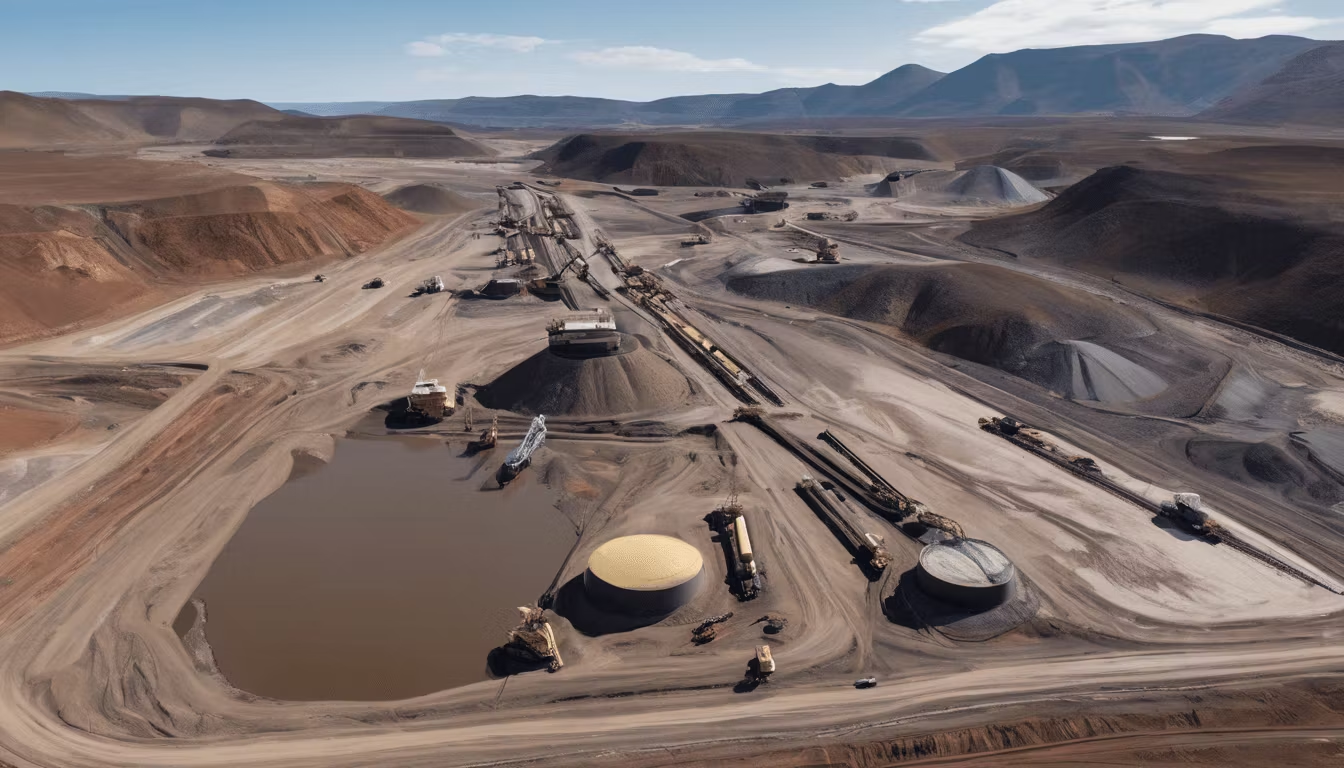
Indonesia's mineral sector has evolved significantly over the past decade, driven by modernization, stricter regulations, and growing demand from both domestic and international markets. The country is the world's largest producer of nickel ore, a major supplier of tin, and a significant exporter of various industrial minerals.
The Indonesian government has implemented comprehensive licensing frameworks—including the IUP (Izin Usaha Pertambangan) system—to regulate mineral extraction, processing, and trading. These regulations ensure environmental compliance, fair labor practices, and quality control. For buyers, this means that sourcing from licensed Indonesian suppliers provides greater assurance of legal compliance and product integrity.
The mineral trading sector in Indonesia encompasses both informal small-scale operations and sophisticated commercial enterprises. However, savvy B2B buyers increasingly prefer working with established, licensed trading companies that maintain transparent operations and verifiable supply chains.
Key Mineral Categories Available in Indonesia
Nickel Ore: Indonesia's Flagship Commodity
Nickel ore remains Indonesia's most valuable mineral export by volume and revenue. The country produces two primary grades suitable for industrial processing:
- Saprolite Nickel Ore (1.5-2.0% Ni content): Higher-grade material ideal for nickel pig iron (NPI) and ferronickel production, with faster processing times and better recovery rates.
- Limonite Nickel Ore (0.8-1.2% Ni content): Lower-grade laterite ore traditionally used in HPAL (High-Pressure Acid Leaching) processes for nickel sulfate production.
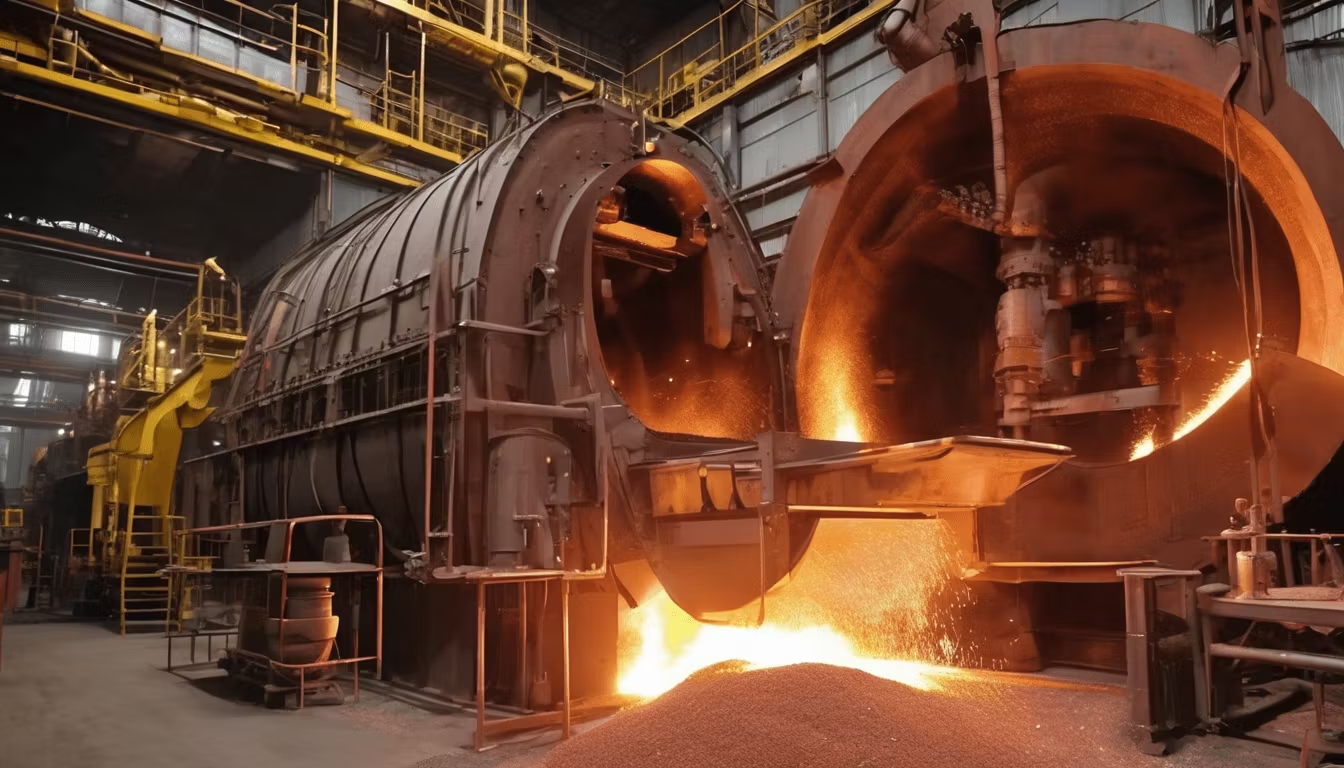
Indonesia's nickel ore sources concentrate in geologically rich regions—particularly Sulawesi (Morowali, Konawe), Kalimantan, and Maluku (Halmahera). Major smelting operations throughout Indonesia process this ore domestically due to an export ban on raw nickel ore, creating a stable domestic market for high-volume buyers.
Silica Sand: The Industrial Workhorse
Silica sand and quartz sand are among Indonesia's most versatile mineral commodities. With SiO2 purity levels reaching 99.74%, Indonesian silica sand serves multiple industrial applications with high-quality specifications.
Available in multiple mesh grades (8-200), silica sand supports diverse manufacturing processes:
- Float glass and specialized glassware production
- Solar panel manufacturing (high-purity requirements)
- Ceramic tile and sanitaryware production
- Foundry sand applications
- Water treatment and filtration systems
- Construction materials and concrete
Unlike nickel ore, silica sand enjoys free export status, allowing Indonesian suppliers to serve both domestic and international markets. This dual-market access benefits buyers through competitive pricing and reliable supply continuity.
Aluminium Ingots: Casting-Grade Supply
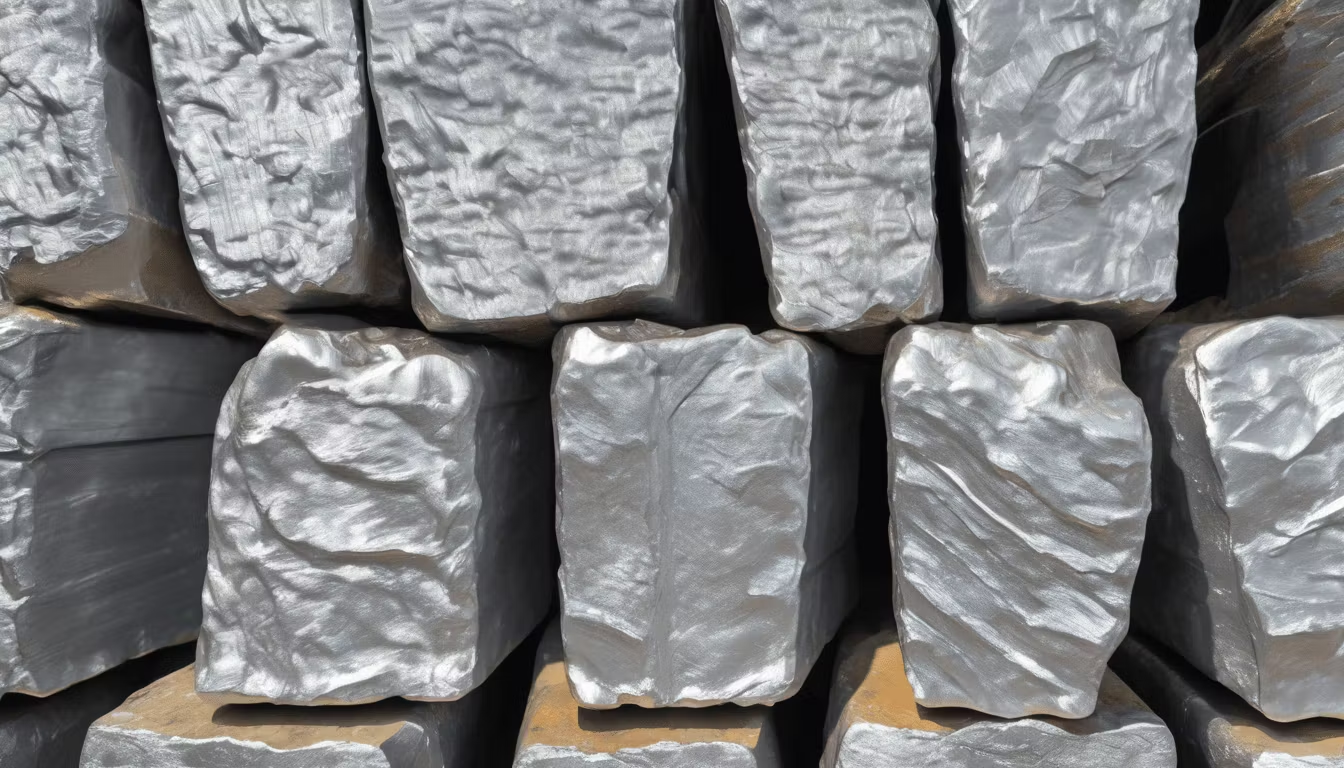
Aluminium ingots in ADC12 and A7 grades represent a critical input for metal casting and foundry operations. Indonesian suppliers source and process aluminum for customers requiring consistent quality and reliable delivery schedules. These ingots meet international casting standards and are suitable for automotive components, machinery parts, and industrial castings.
Zircon Sand: Specialty Industrial Mineral
Zircon sand with 65%+ ZrO2 content serves specialized applications in refractory manufacturing, ceramic glazes, and high-temperature industrial processes. While a niche commodity, zircon sand commands premium pricing due to its specialized applications and limited production sources.
Critical Factors When Selecting a Mineral Supplier
Licensing and Regulatory Compliance
The first priority when evaluating Indonesian mineral suppliers is verifying their legal operating status. Legitimate suppliers should hold:
- IUP OPK (Operating Production Permit): Authorizes mineral extraction, processing, and trading activities
- RKAB Approval: Work and safety plan certification ensuring operational compliance
- ET Batubara Certification: Coal-related operational certifications where applicable
- SUCOFINDO Testing Reports: Third-party laboratory verification of mineral quality and composition
These certifications indicate that a supplier has undergone rigorous vetting and operates under government supervision. This reduces your legal risk and provides recourse if quality disputes arise.
Quality Assurance and Testing
Reputable B2B mineral traders maintain relationships with certified laboratories for independent testing. SUCOFINDO (Indonesia's primary certification body) testing provides internationally recognized verification of mineral specifications, purity levels, and contaminant content.
When evaluating suppliers, request:
- Current SUCOFINDO test certificates
- Documentation of QA/QC procedures
- Batch-specific testing reports (not just product-line certifications)
- Reference to consistent test results over time
Supply Chain Transparency and Sourcing
Direct sourcing from mining regions eliminates middlemen, reduces costs, and improves traceability. Suppliers who source directly from IUP-licensed mining operations can provide clearer supply chain documentation and often offer better pricing through reduced transaction layers.
Inquire about:
- Mining locations and IUP operator relationships
- Production capacity and supply reliability
- Logistics infrastructure for consistent delivery
- Inventory management practices
Flexibility and Scalability
Your mineral requirements may fluctuate based on production cycles, seasonal demand, or market conditions. Leading suppliers offer flexible contract terms accommodating various purchase volumes—from trial quantities (100 metric tons) to annual contracts exceeding 2.5 million metric tons.
Market Dynamics and Pricing Strategy
Understanding Price Factors
Mineral commodity pricing in Indonesia reflects multiple variables:
- Global commodity benchmarks: International metal prices influence local mineral valuations
- Quality specifications: Higher purity and specific grades command premium pricing
- Volume discounts: Larger purchase commitments typically yield lower per-unit costs
- Logistics costs: Transportation from mining regions to ports or end-users affects final pricing
- Seasonal variations: Wet season can impact extraction and delivery schedules
- Currency fluctuations: IDR/USD exchange rates affect import/export competitiveness
Negotiating Favorable Terms
B2B buyers gain leverage through:
- Volume commitments: Long-term purchase agreements securing better pricing
- Flexible payment terms: Negotiating credit periods that improve working capital management
- Quality specifications: Clear documentation preventing disputes and returns
- Regular price reviews: Mechanisms adjusting pricing with market conditions
- Shipping arrangements: Defining FOB, CIF, or other Incoterms to clarify cost responsibility
Logistics and Supply Chain Management
Transportation Infrastructure
Indonesia's mining regions—Sulawesi, Kalimantan, and Maluku—connect to major ports through established logistics networks. Reliable suppliers maintain relationships with shipping companies, port operators, and customs brokers, ensuring smooth product movement from mine to destination.
For international shipments, minerals typically flow through major ports (Makassar, Banjarmasin, Balikpapan) to global markets via container ships or bulk carriers. For domestic distribution, trucking and river transport supplement maritime logistics.
Quality Control During Transit
Proper packaging and handling prevent quality degradation during transportation. Minerals stored in covered containers, silos, or bulk bags protect against moisture absorption, contamination, and environmental damage. Established suppliers implement standard procedures ensuring products arrive meeting contractual specifications.
Regulatory Compliance and Documentation
Importing minerals from Indonesia requires proper documentation and customs clearance. Essential paperwork includes:
- Commercial invoices and packing lists
- Bill of lading or air waybill
- SUCOFINDO test certificates
- Import/export permits (if required by destination country)
- Insurance certificates (if applicable)
- Phytosanitary or CITES documentation (for specific commodities)
Experienced mineral traders facilitate customs processes, manage documentation, and ensure compliance with import regulations in your country. This service reduces administrative burden and accelerates product delivery.
Building Long-Term Supplier Relationships
Successful B2B mineral trading depends on stable, trust-based relationships between buyers and suppliers. Consider these relationship-building strategies:
- Regular communication: Maintain open dialogue regarding supply needs, quality expectations, and market conditions
- Site visits: Tour supplier facilities, meet management, and assess operational capacity firsthand
- Trial shipments: Start with smaller volumes to evaluate product quality, logistics reliability, and customer service
- Flexible engagement: Acknowledge market volatility and work collaboratively on pricing and timing adjustments
- Performance metrics: Establish KPIs for quality, delivery timeliness, and responsiveness
- Long-term contracts: Formalize relationships through written agreements protecting both parties' interests
Common Challenges and Risk Mitigation
Quality Variability
Challenge: Raw mineral grades can vary by extraction location and season.
Mitigation: Require batch-specific SUCOFINDO testing before shipment and establish clear quality specifications in contracts with allowable tolerances.
Supply Disruptions
Challenge: Weather, equipment failures, or regulatory changes can interrupt supply.
Mitigation: Diversify suppliers, maintain buffer inventory, and establish communication protocols for early disruption notification.
Logistics Delays
Challenge: Port congestion, vessel delays, or customs issues can extend delivery timelines.
Mitigation: Use experienced logistics partners, build flexibility into delivery schedules, and clarify responsibility for delays in supply contracts.
Price Volatility
Challenge: Commodity prices fluctuate based on global market conditions.
Mitigation: Negotiate price adjustment mechanisms tied to benchmark indices, lock in prices through forward contracts, or use hedging strategies for critical commodities.
Sector-Specific Guidance
For Nickel Smelters
Smelters require consistent high-volume nickel ore supply with stable grades. Building relationships with direct mine operators ensures predictable supply and competitive pricing for large-scale commitments (100,000+ MT annually).
For Glass Manufacturers
Glass production demands high-purity silica sand with minimal iron oxide and other contaminants. Specify exact mesh grades required and request guaranteed purity documentation. Indonesian silica sand's 99.74% SiO2 purity makes it ideal for float glass and specialty applications.
For Foundries and Metal Casters
Foundries benefit from diversified sourcing—combining local Indonesian silica sand for mold applications with aluminum ingots for casting material. Reliable delivery schedules prevent production downtime.
For Water Treatment Operators
Water filtration applications require specific particle size distribution and cleanliness. Multi-mesh silica sand options from Indonesian suppliers enable customized filtration configurations.
Finding Your Ideal Mineral Supplier
The Indonesian mineral trading market offers substantial opportunities for buyers seeking quality, value, and reliability. Success requires due diligence in supplier selection, clear communication of requirements, and commitment to mutually beneficial partnerships.
CV Indoalam Mineral Persada exemplifies the modern Indonesian mineral trading company, combining direct mining relationships with rigorous quality standards and flexible supply arrangements. As a licensed, SUCOFINDO-tested supplier with IUP OPK authorization and annual capacities exceeding 2.5 million metric tons, Indoalam represents the quality and reliability that sophisticated B2B buyers expect.
Ready to Source Minerals from Indonesia?
If you're evaluating Indonesian mineral suppliers or expanding your sourcing footprint, learn about CV Indoalam Mineral Persada and our commitment to quality, compliance, and customer service. From nickel ore for smelters to premium silica sand for glass manufacturers, we offer the product range, regulatory credentials, and supply flexibility that B2B buyers require.
Contact us today to discuss your mineral requirements, request product samples, or explore how Indoalam can become a trusted partner in your supply chain. Our team is ready to provide quotes, answer technical questions, and demonstrate why we're the preferred mineral trading partner for leading industrial operations across Indonesia and beyond.